











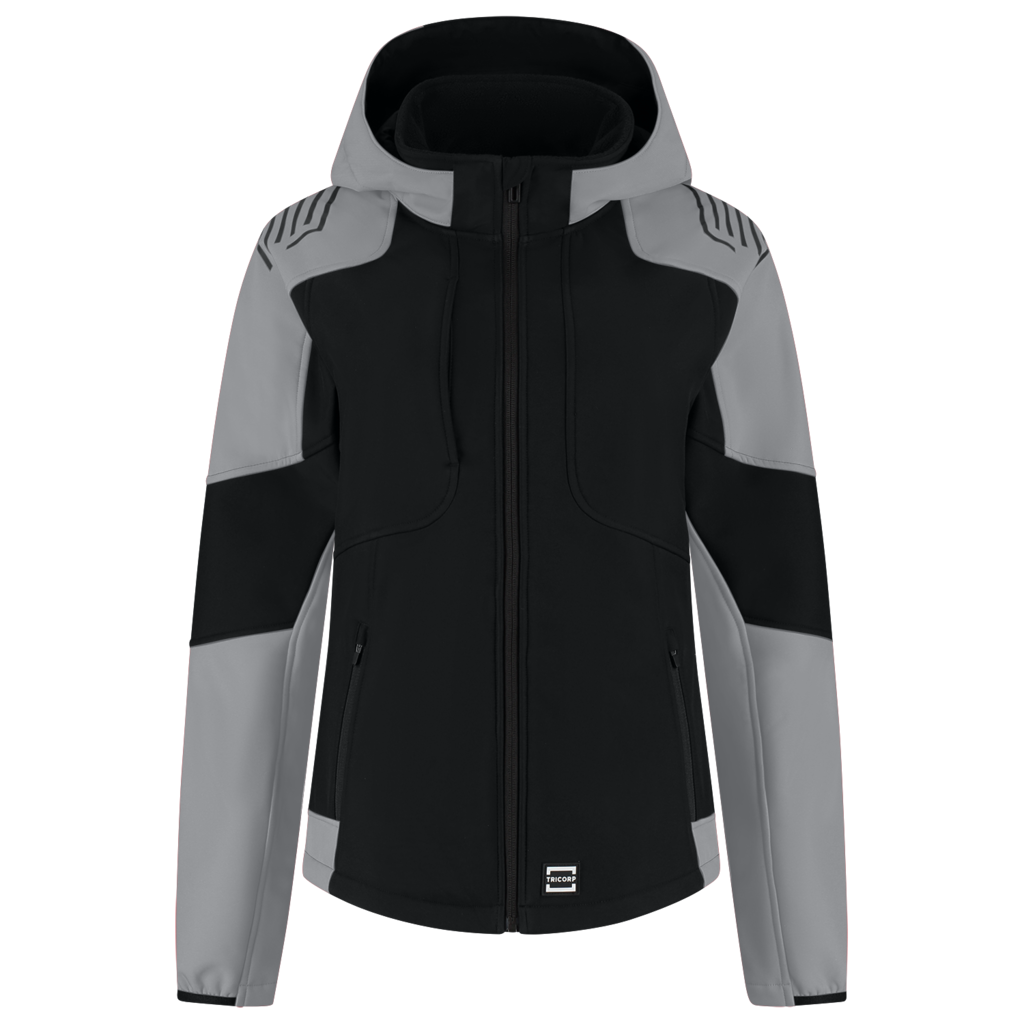
What is the difference between work clothing and protective clothing?
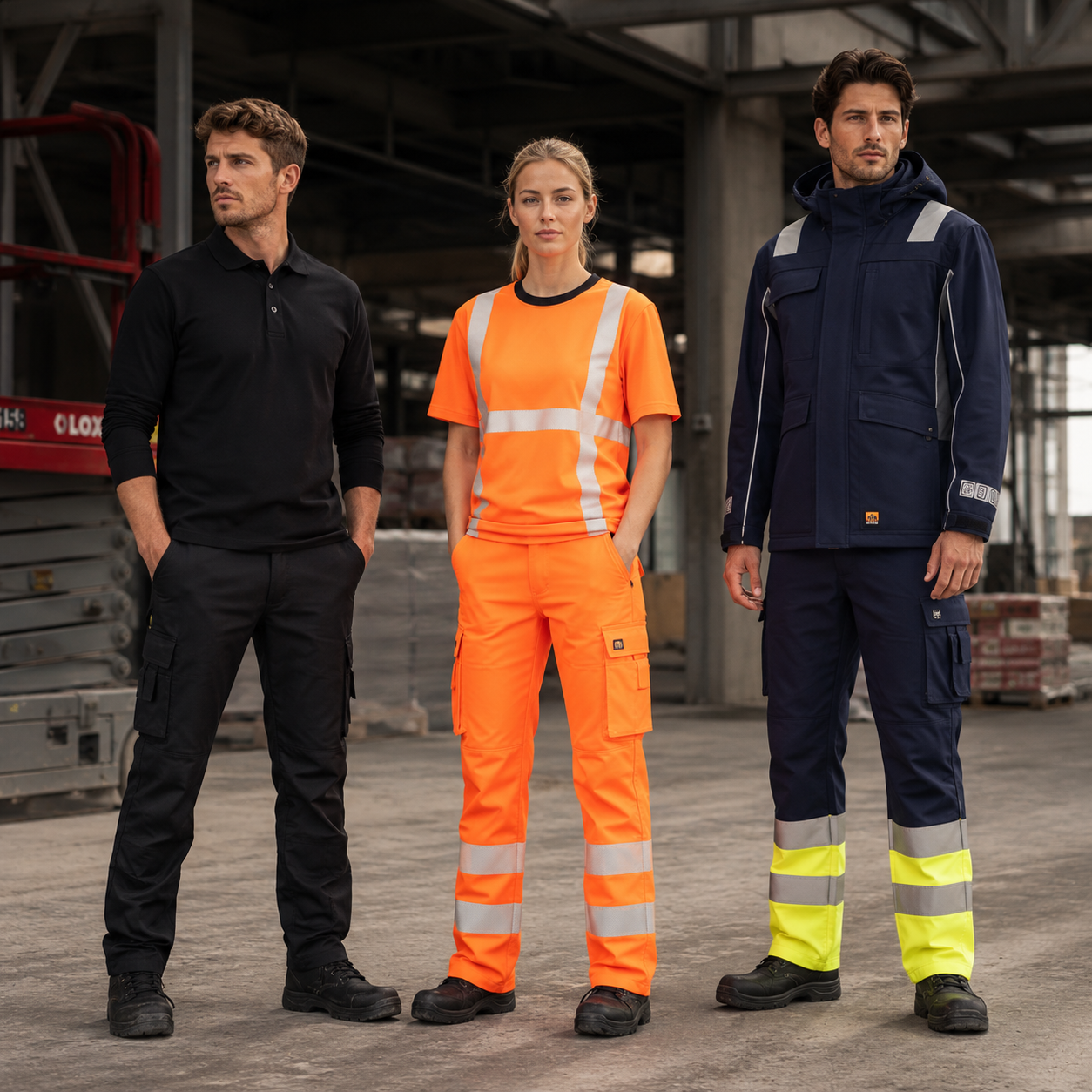
Work clothing and protective clothing are often used interchangeably, but they are not the same. The distinction is important, especially for employers who are responsible for the safety of their employees. In this article we explain the difference and when each applies.
What is work clothing?
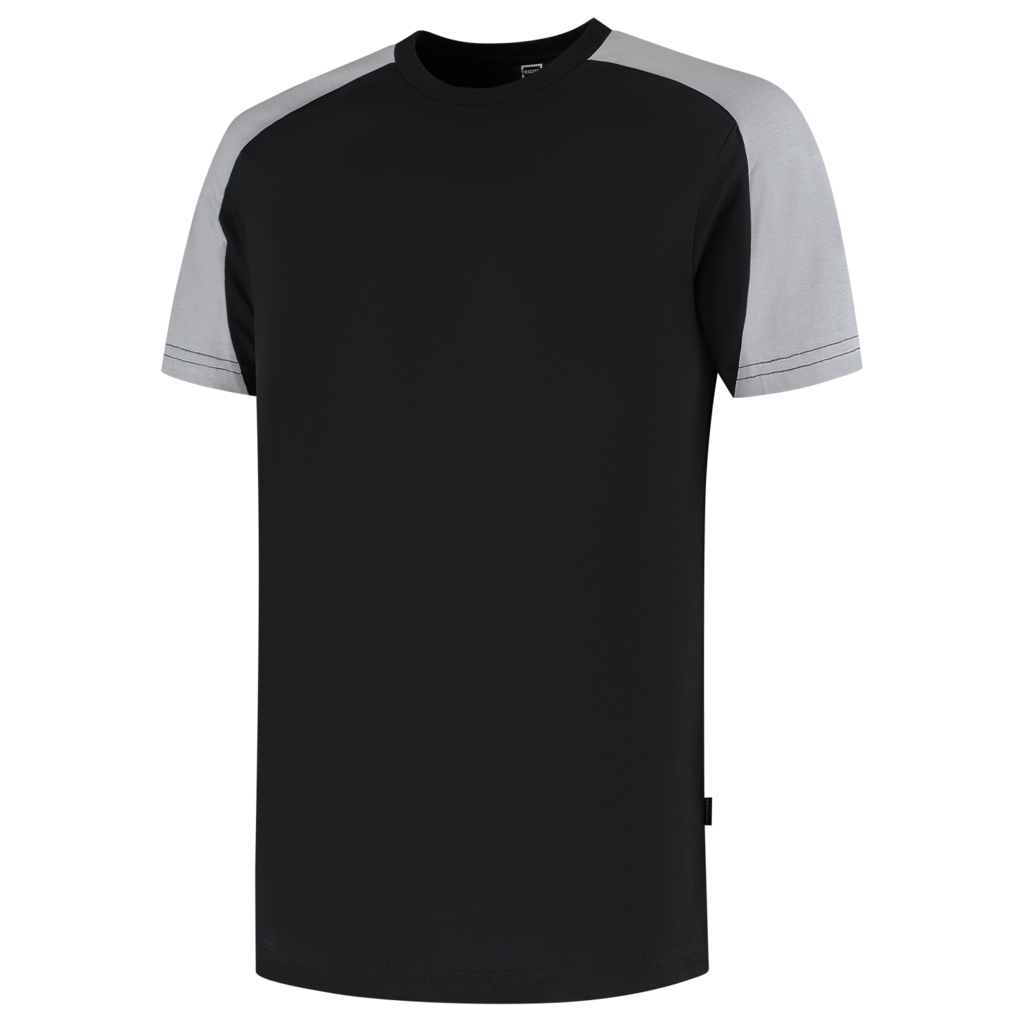
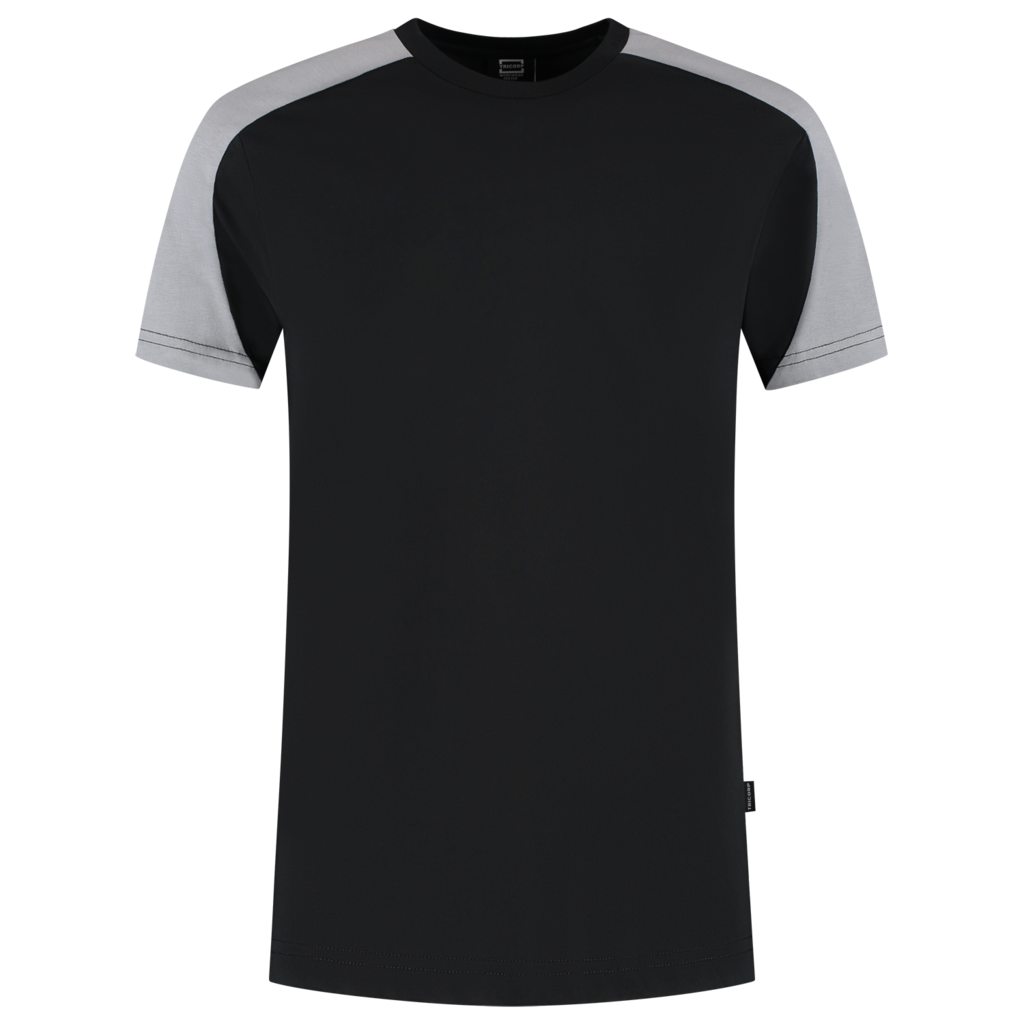
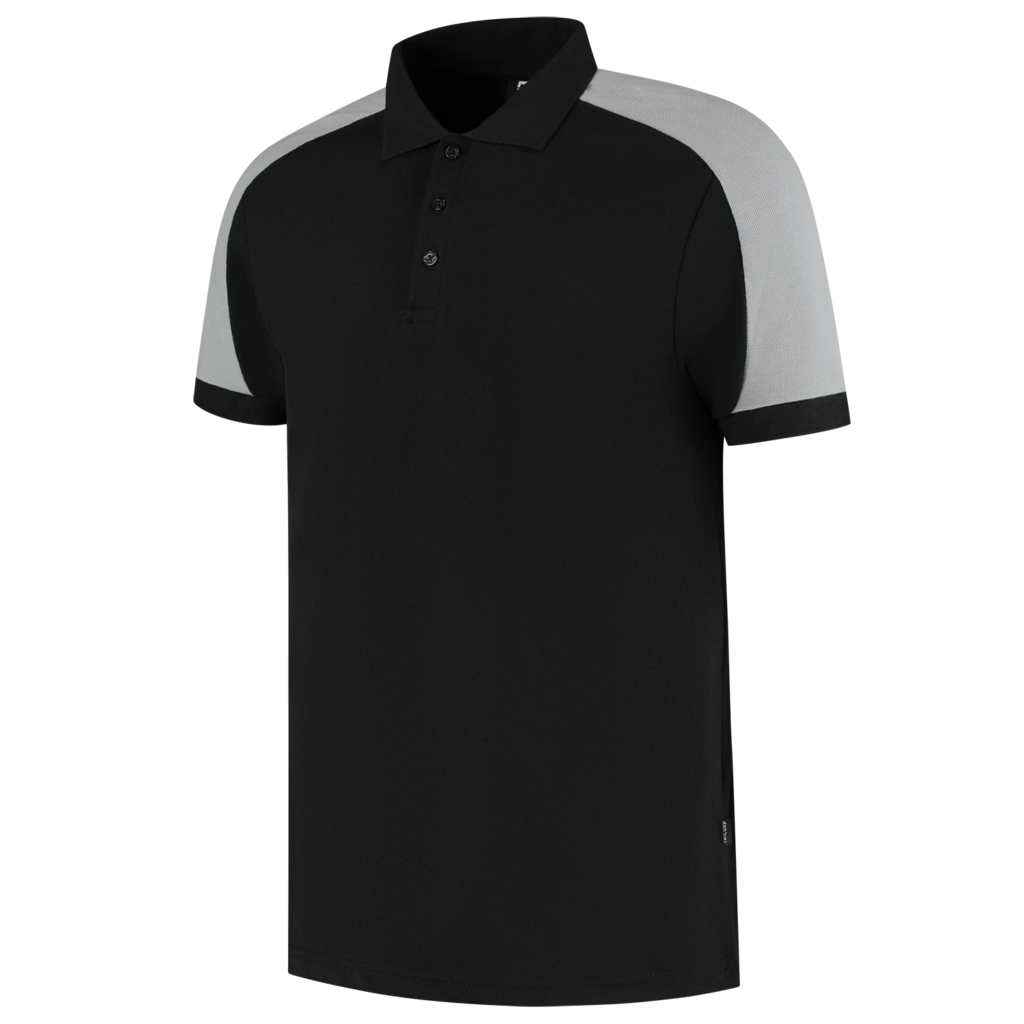
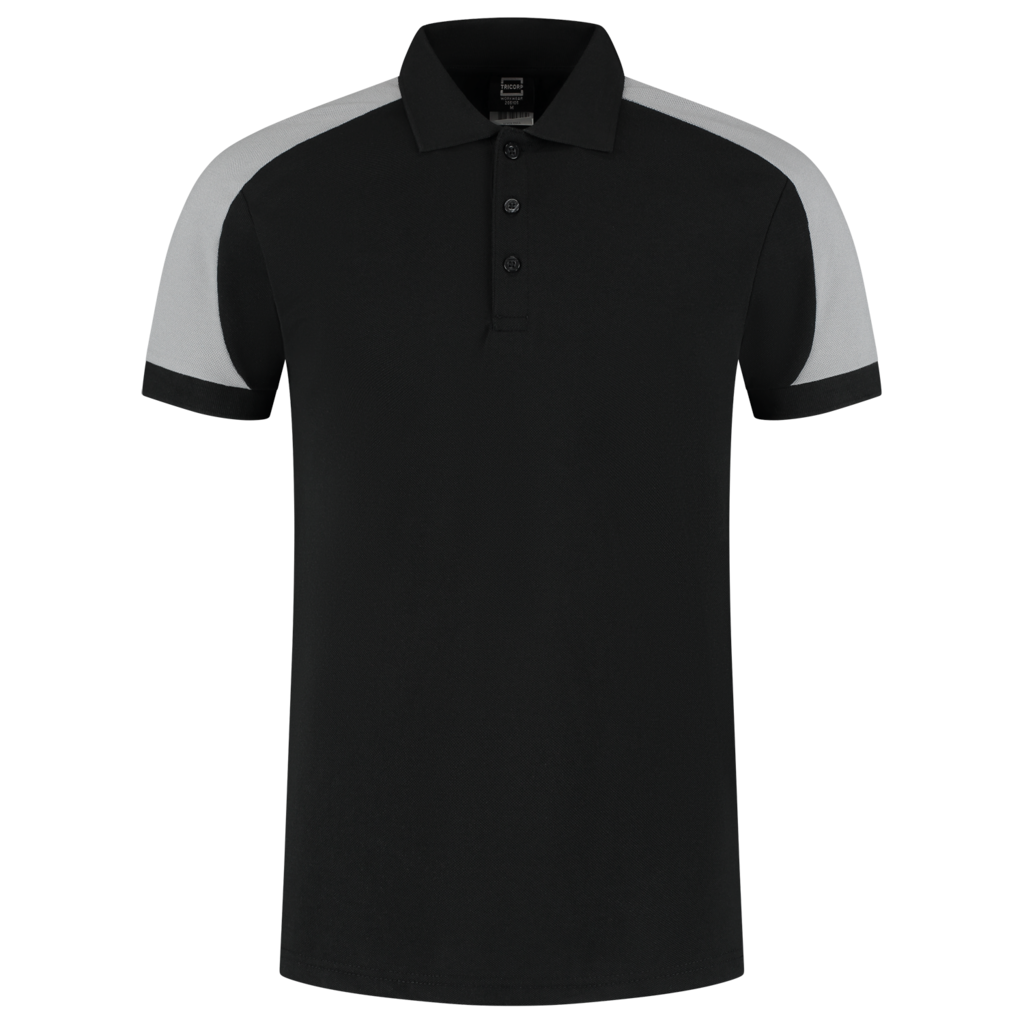
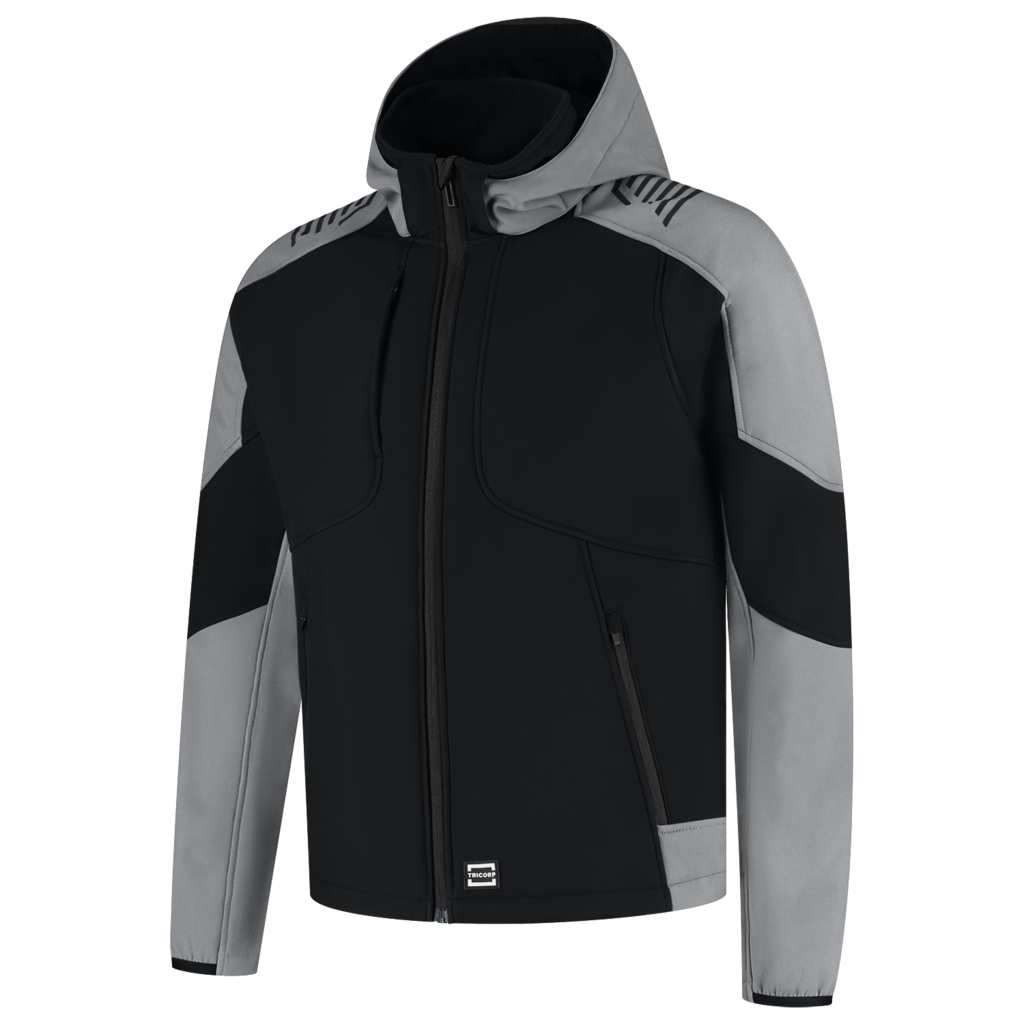
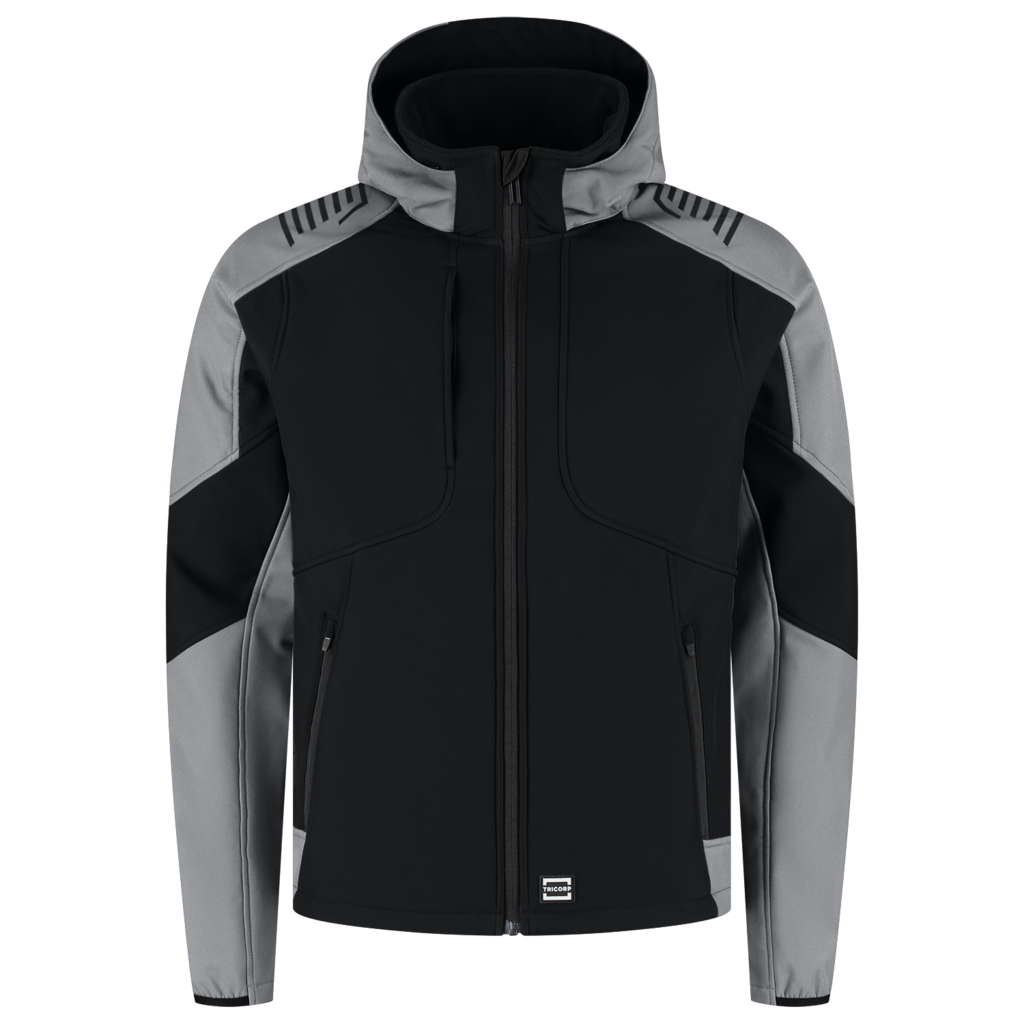
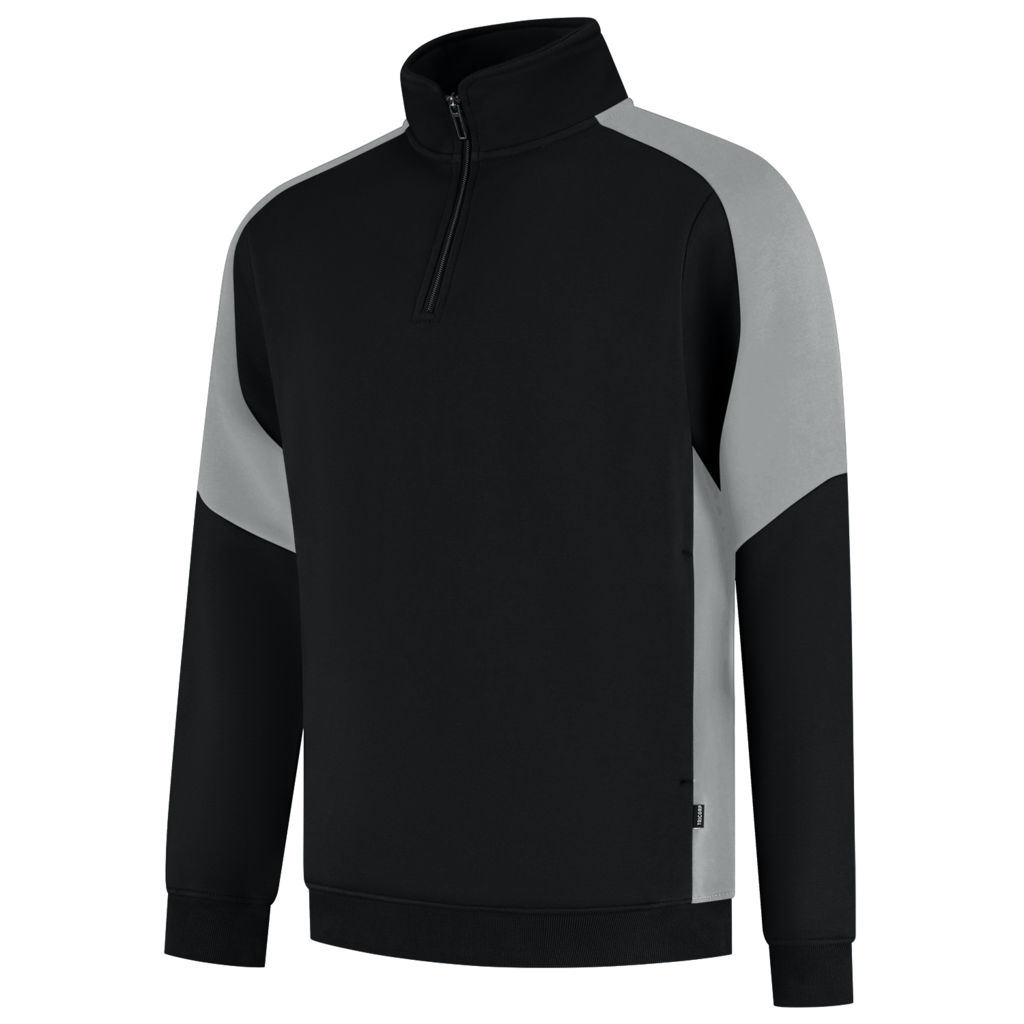
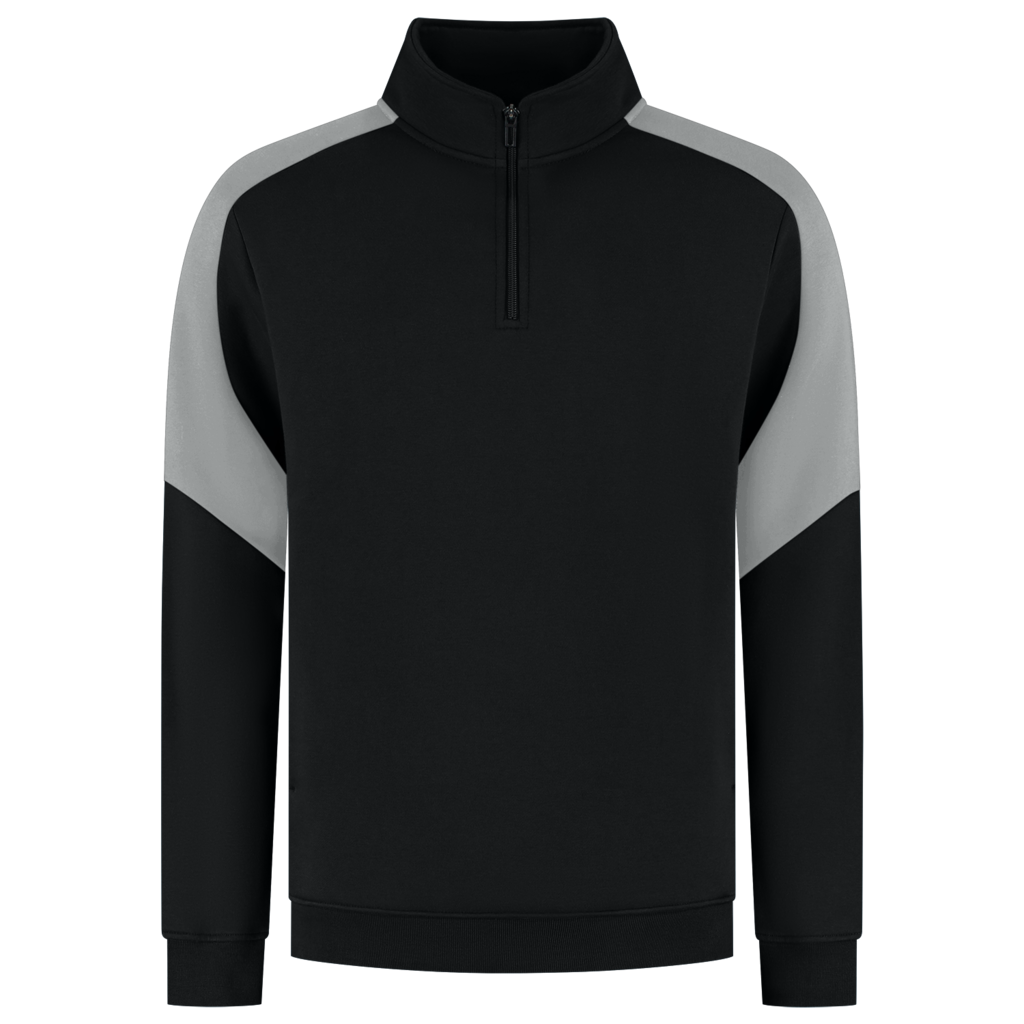
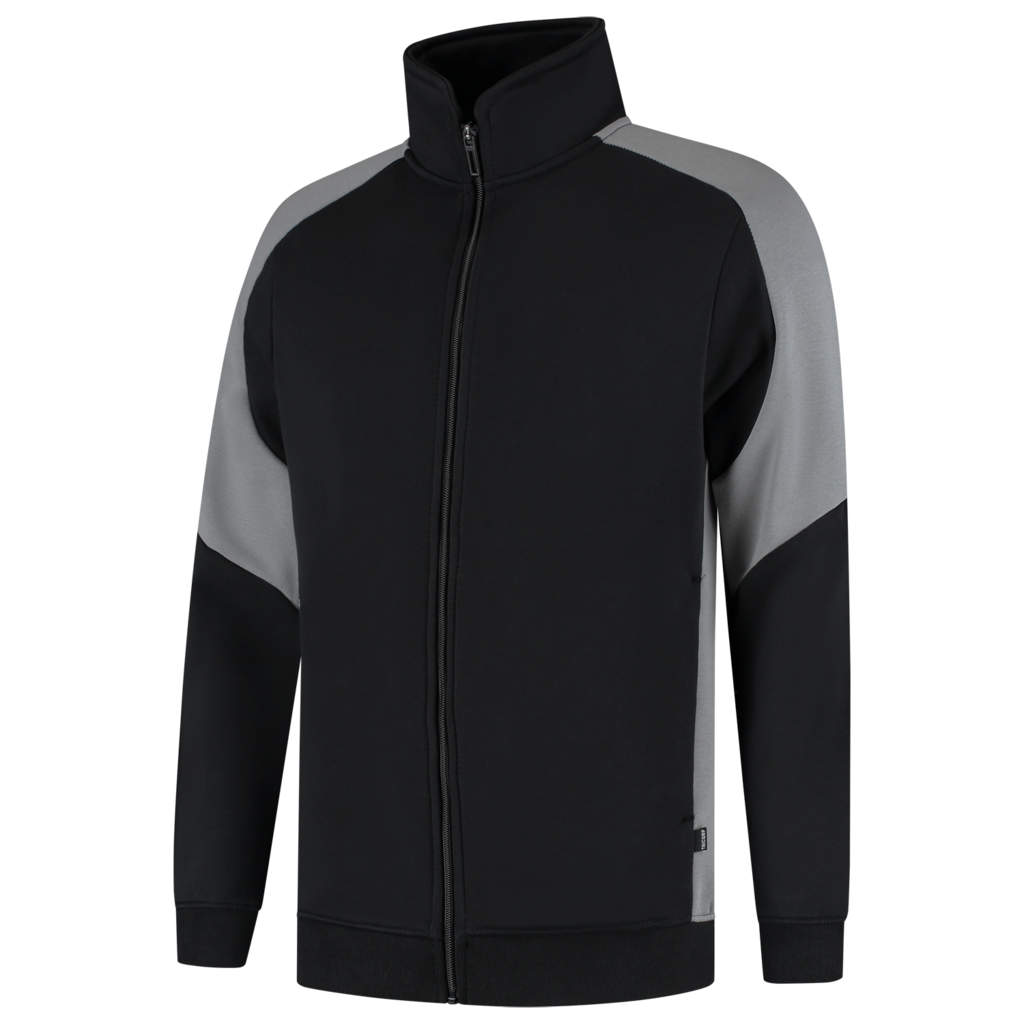
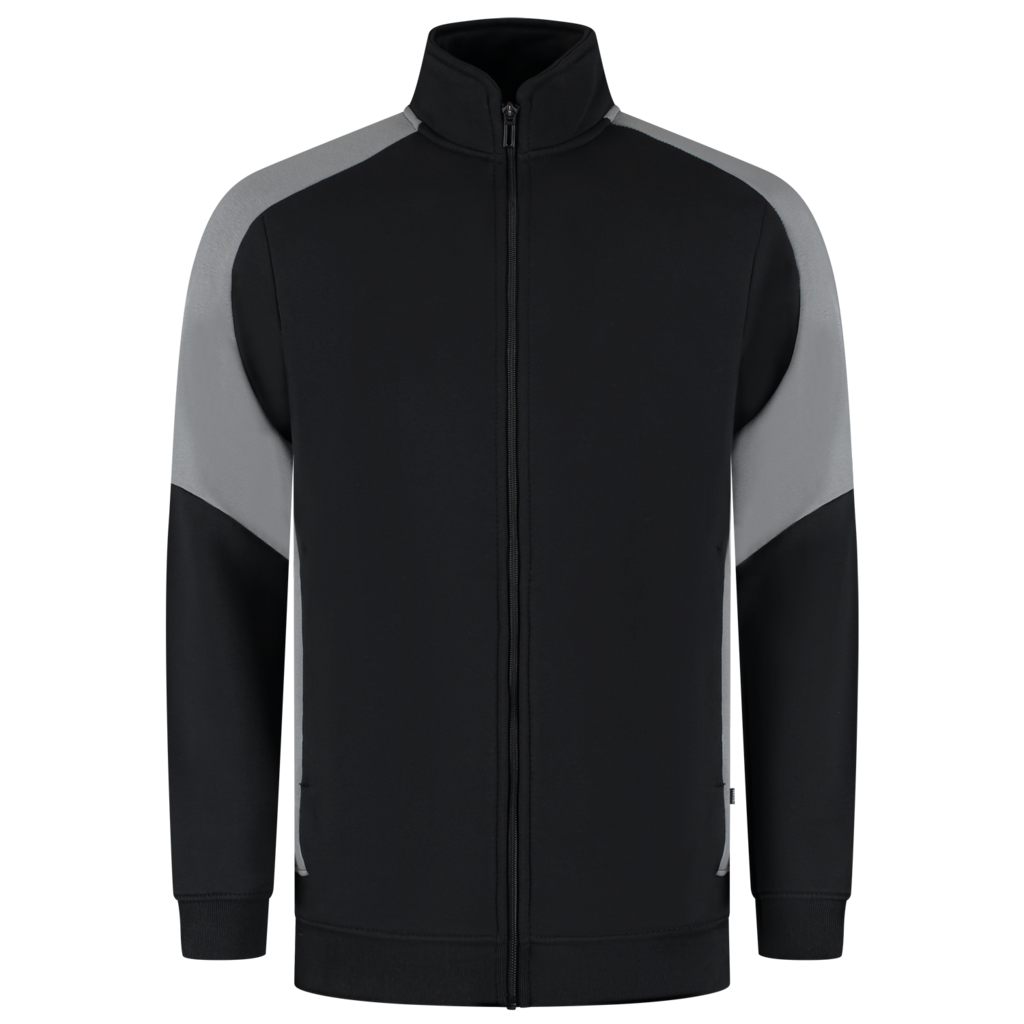
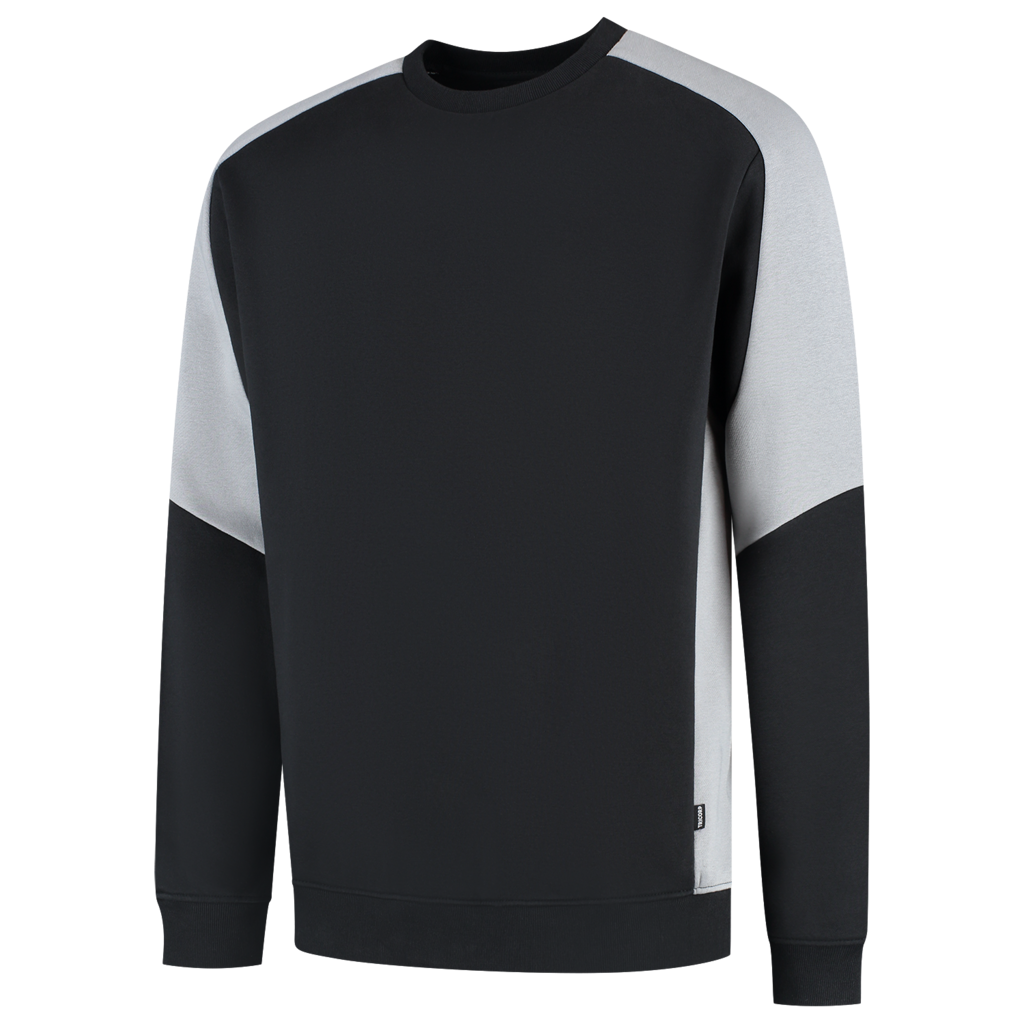
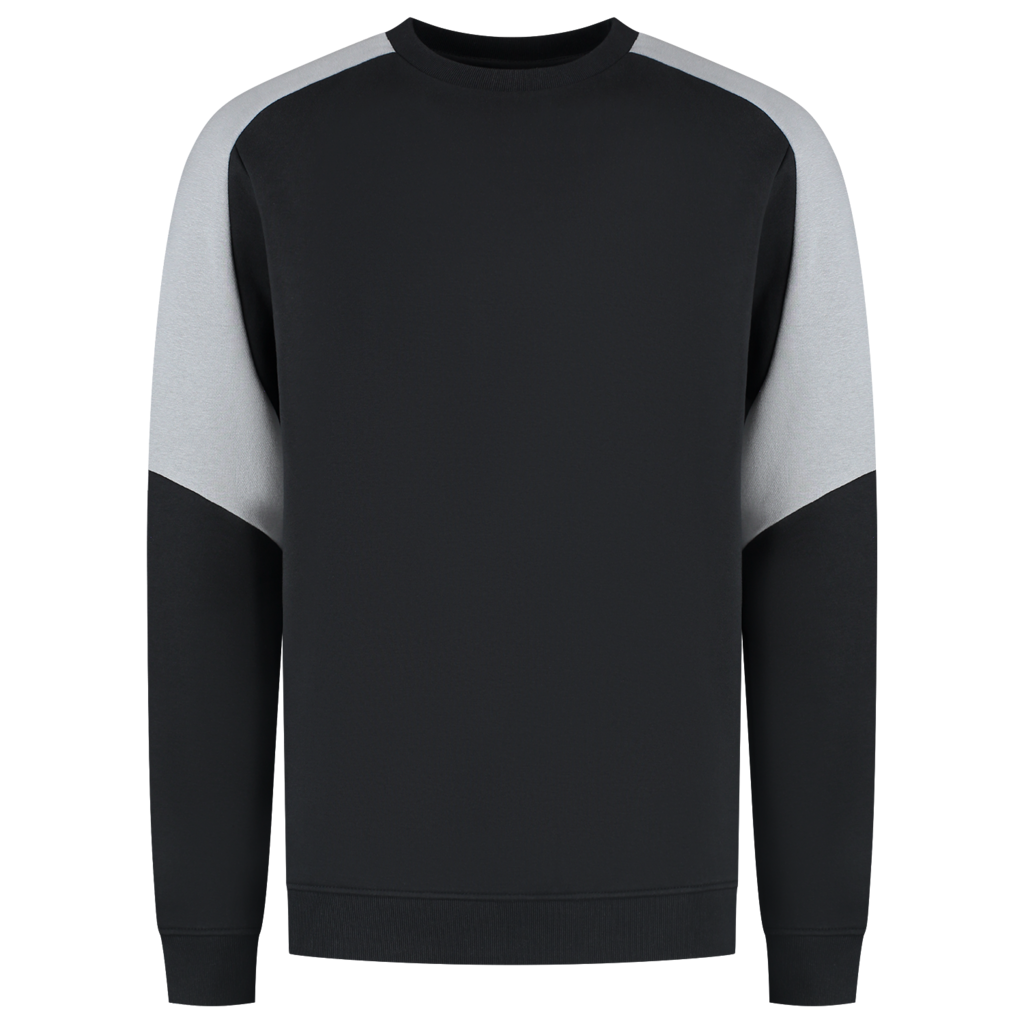
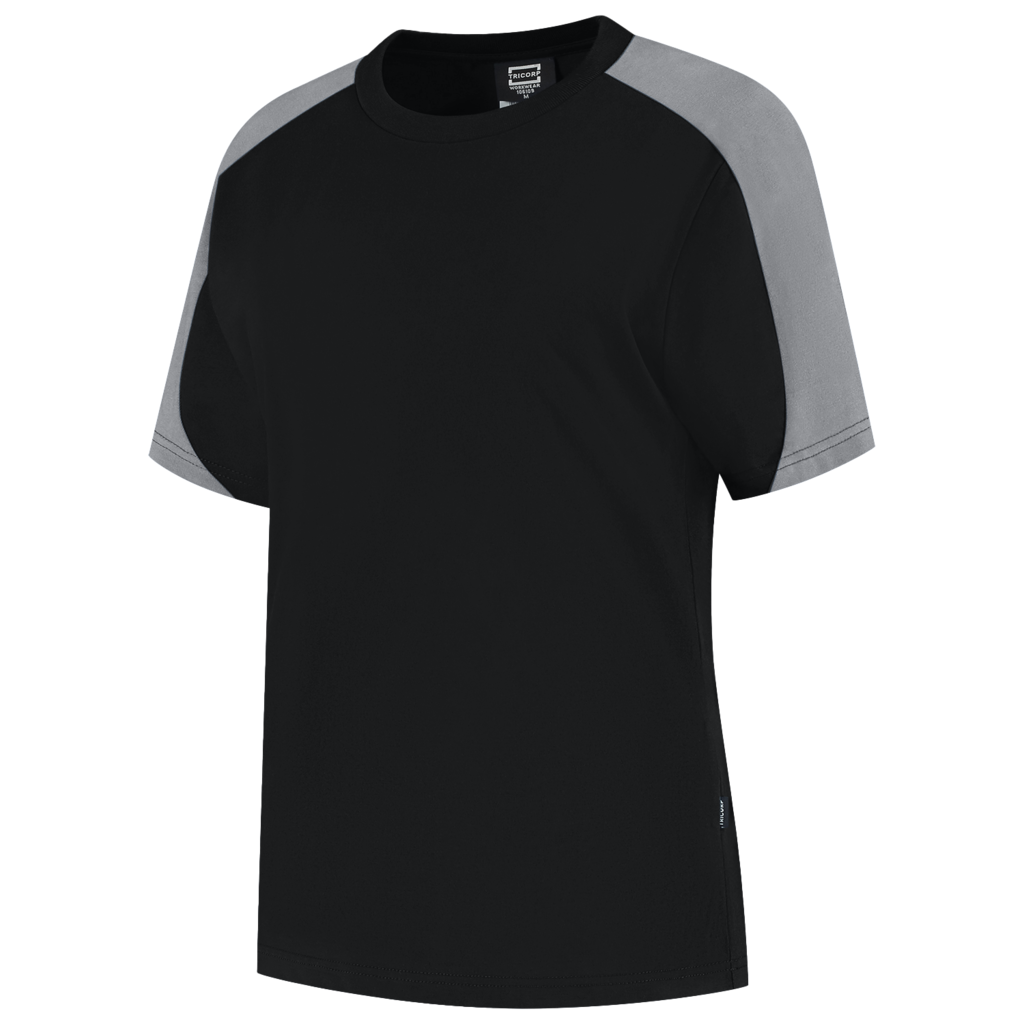
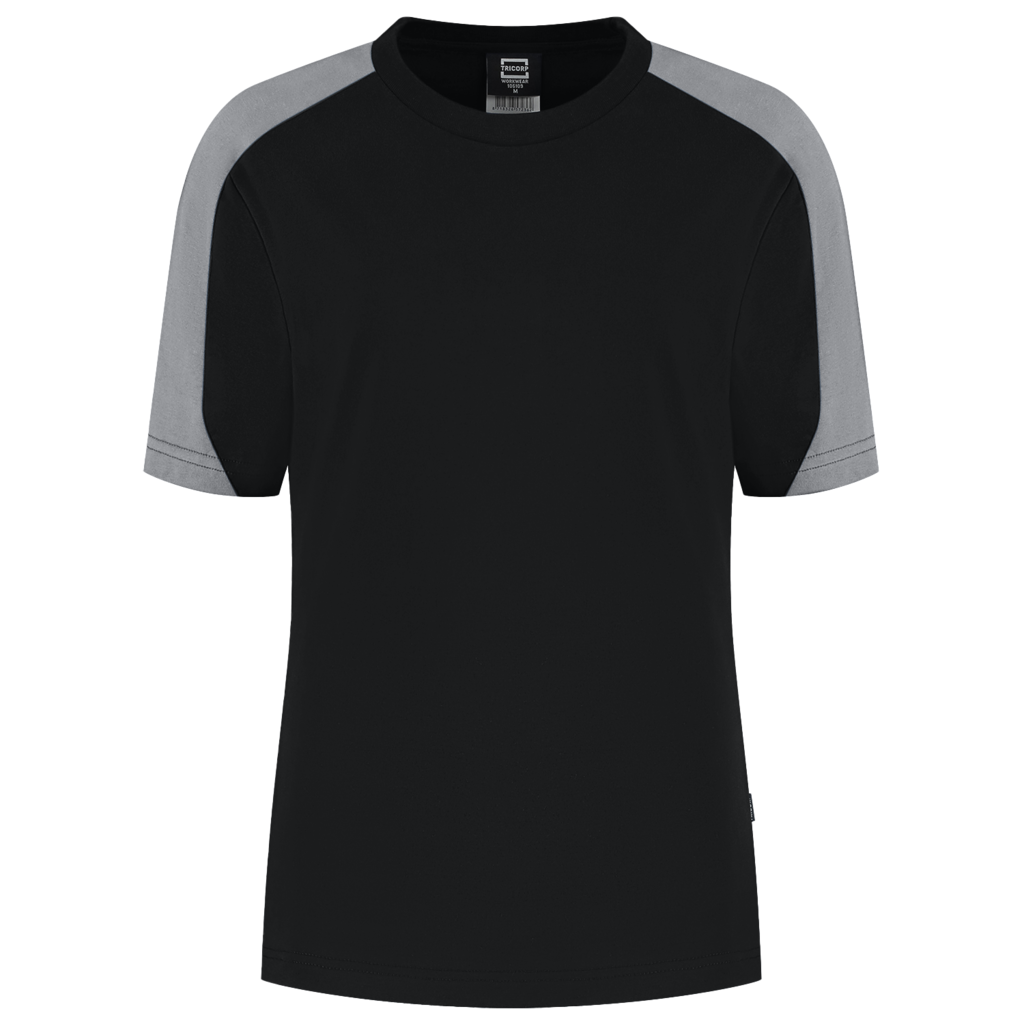
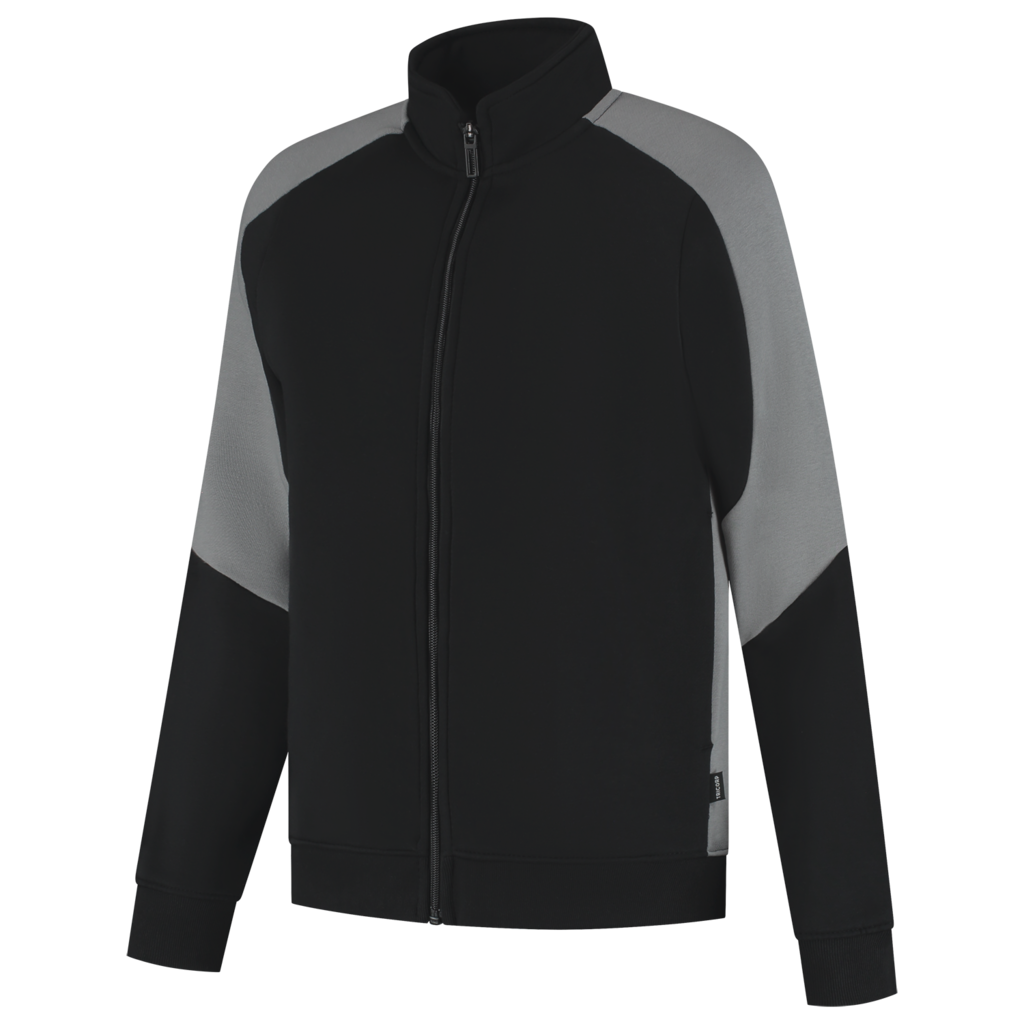
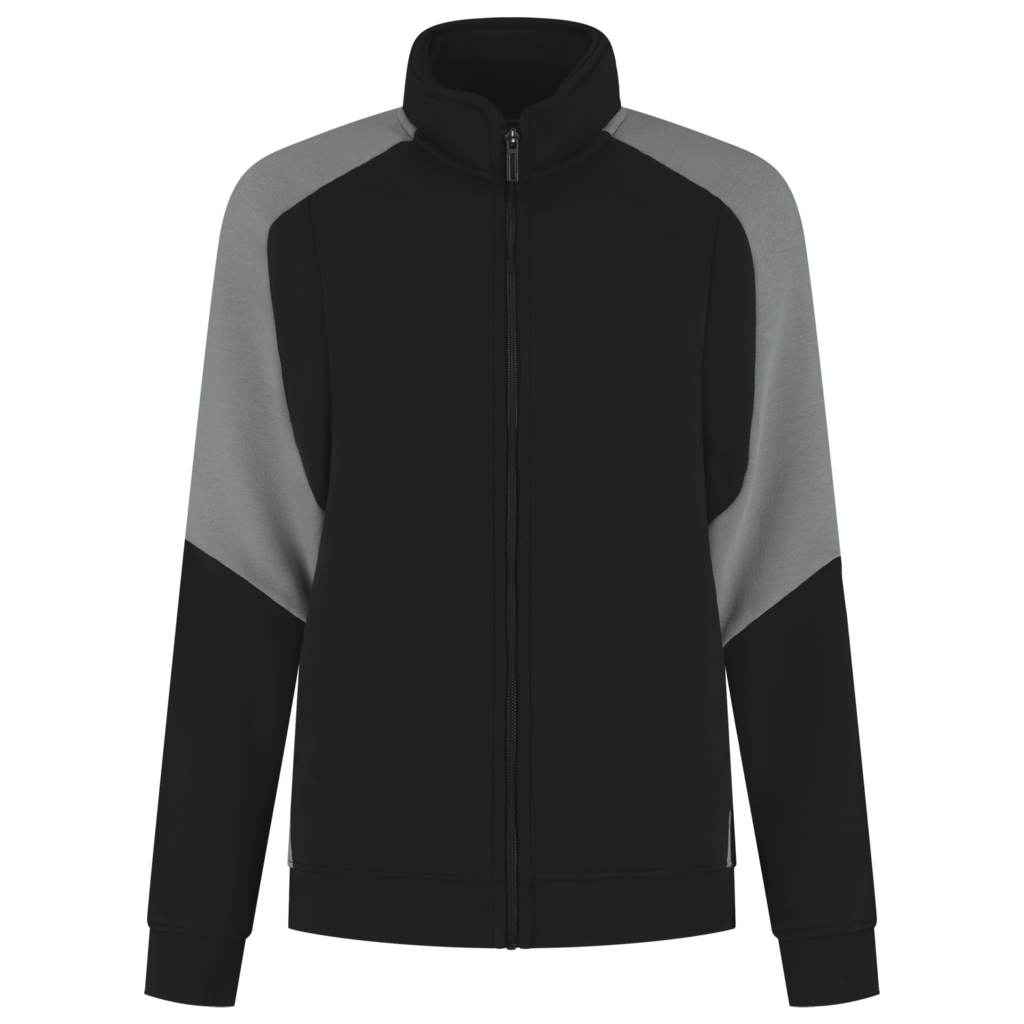
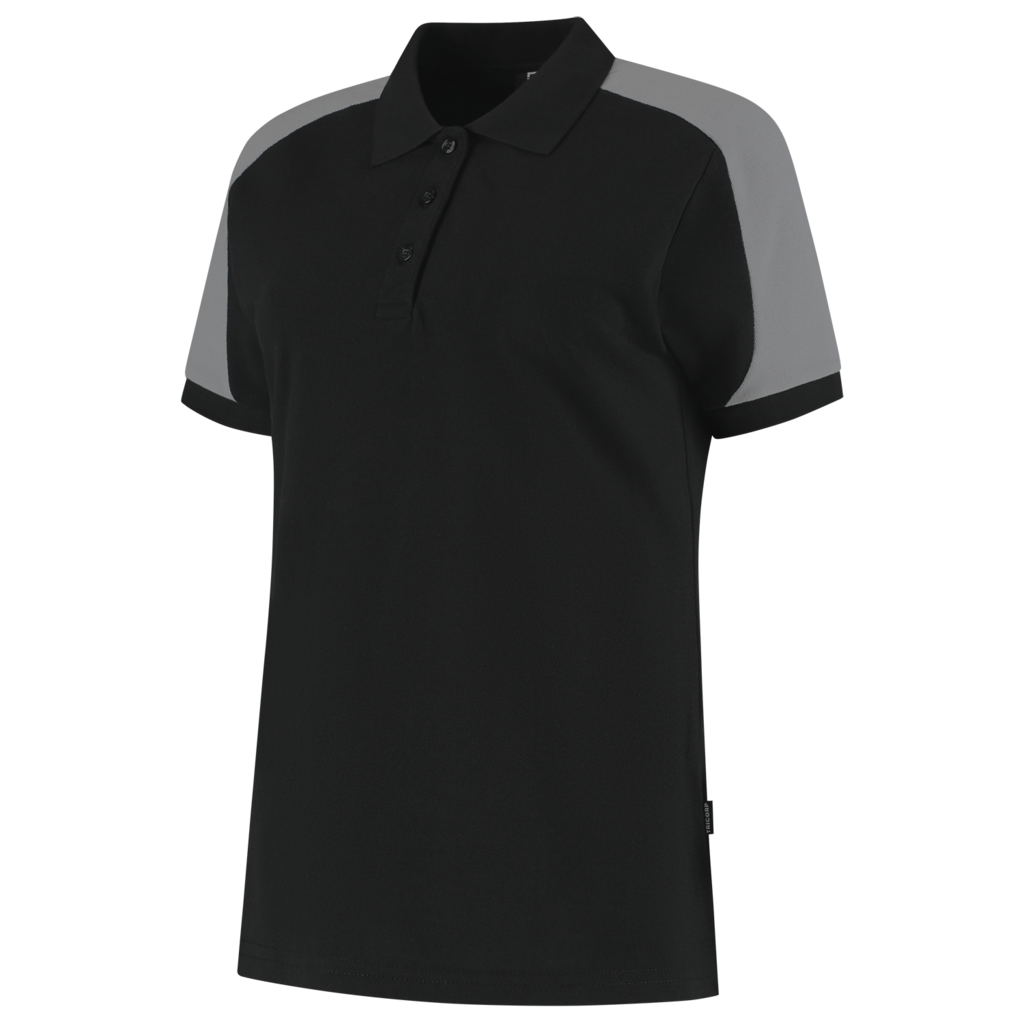
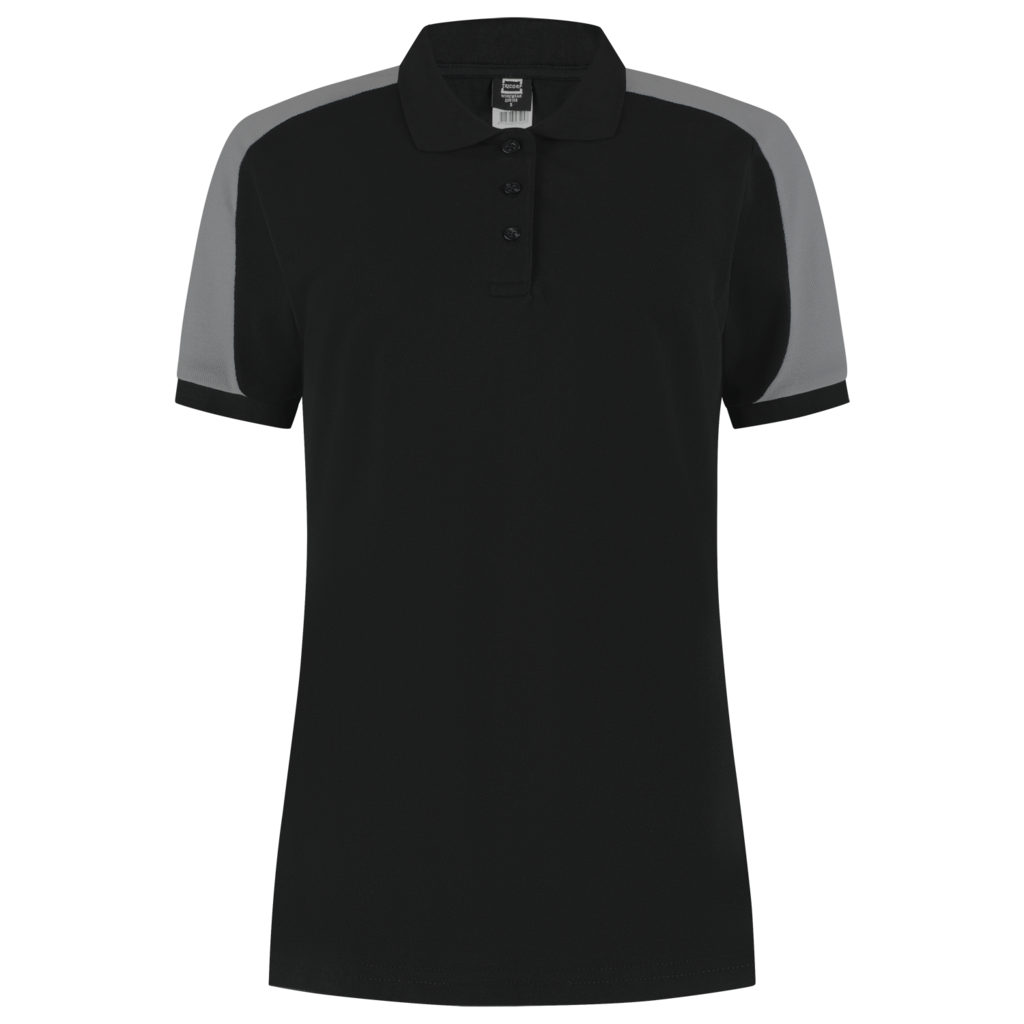
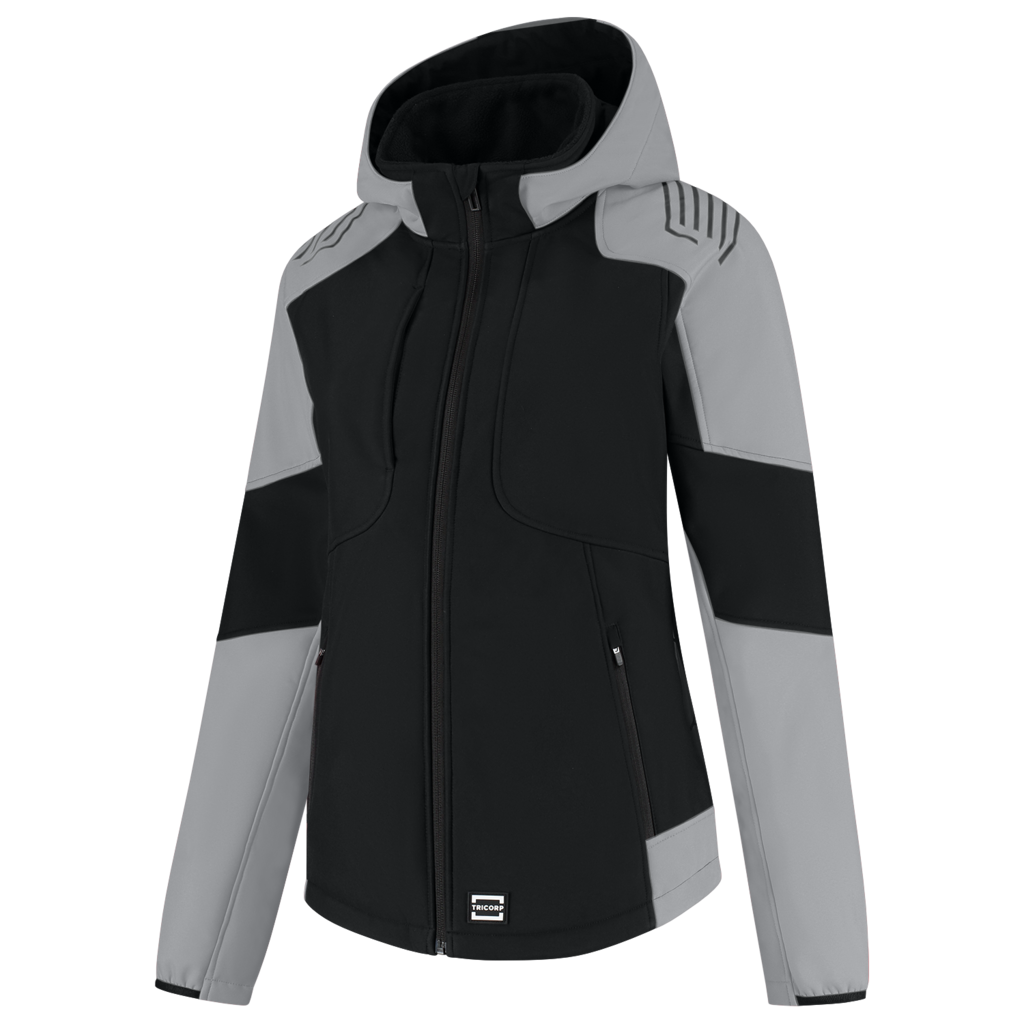
Work clothing is all clothing worn while exercising a profession. It is a broad concept that includes both a simple polo shirt with a company logo and a certified flame-retardant coverall. Work clothing is aimed at functionality, recognisability and comfort in the workplace. View the full range at workwear page of Tricorp.
Work clothing does not have to be certified. Work trousers with Cordura reinforcements protect the knees mechanically, but are therefore not automatically protective clothing in the legal sense of the word. It is functional work clothing that lasts longer.
What is protective clothing?
Protective clothing is a subcategory of work clothing that meets specific European safety standards and is certified as personal protective equipment (PPE). The clothing has been tested by a recognized body and carries a CE mark. It offers demonstrable protection against specific hazards.
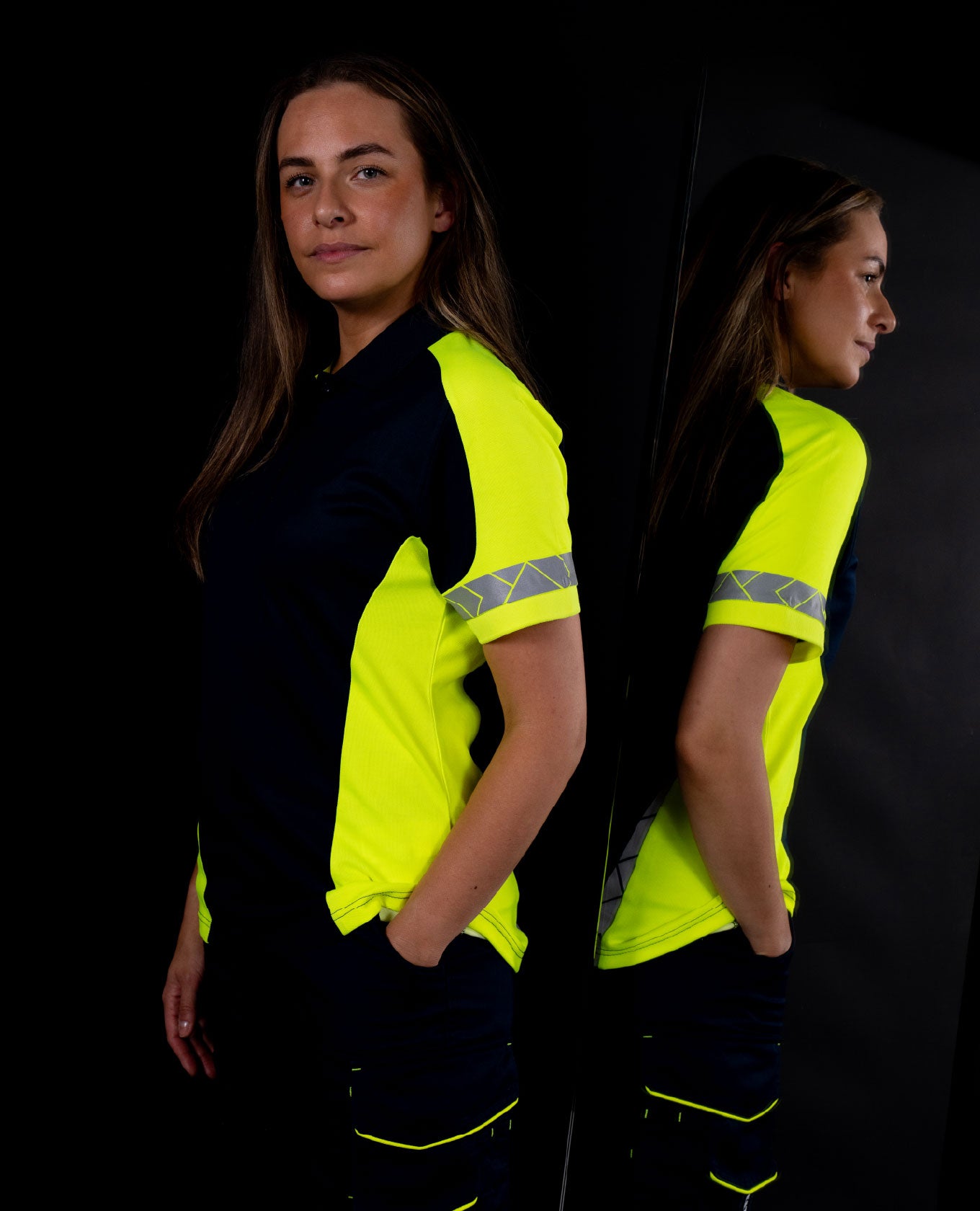
Examples of protective clothing are flame retardant work clothing (EN ISO 11612), anti-static work clothing (EN 1149), high visibility clothing (EN ISO 20471) and clothing that protects against chemicals (EN 13034). Each of these standards sets specific requirements for the material, construction and performance of the clothing.
When is protective clothing mandatory?
Under the Working Conditions Act, protective clothing is mandatory if the risk assessment of the workplace indicates this. The employer is responsible for assessing the risks and providing appropriate protection. If there is a risk of contact with flames, electricity, dangerous traffic or chemicals, certified protective clothing is mandatory and must be provided free of charge.
Regular work clothes are not sufficient, even if they look sturdy and professional. Only clothing with the correct CE marking and standard offers the legally required protection.
Work clothing with protective elements: a gray area
Some work clothing falls in a gray area: it has protective properties but does not officially fall under certified protective clothing. A good example is work trousers with knee pads. This provides mechanical protection to the knees, but is not certified as PPE. More information about protecting the knees with work trousers with knee pads can be found in the article protect your knees with work trousers with knee pads.
For work where the knees are exposed to hazardous conditions, such as work with sharp or hot materials, additional certified knee protection may be required on top of the work trousers. Always consult the occupational health and safety expert if there is any doubt about the required protection.
Conclusion: two overlapping categories
All protective clothing is work clothing, but not all work clothing is protective clothing. The difference lies in the certification and the demonstrable protection against specific hazards. Good functional work clothing is sufficient for most daily activities. As soon as there are increased risks in the workplace, certified protective clothing is a legal requirement.