


What are the dress codes for the catering industry?

What are the dress codes for the catering industry?
Appearance is very important in the catering industry. But what exactly are the dress codes for the catering industry? And are they legally required or does the employer determine this himself?
There are no legal dress codes that apply specifically to the catering industry. The responsibility lies with the employer. He or she determines which clothing is appropriate for the company's concept and can record this in the employment contract or employee handbook. Employees are obliged to comply with these, provided that the regulations have been communicated reasonably and clearly. In practice, clear clothing rules apply in almost every catering establishment.
Why are clothing rules important in the catering industry?
Clothing in the catering industry fulfills several functions at the same time. It ensures recognisability: guests immediately know who the staff is and who they can contact. It contributes to the experience of the restaurant or hotel and strengthens the brand identity. And it creates clarity for employees: everyone knows what is expected of him or her.
In addition to appearance, hygiene plays a role, especially in the kitchen. There are stricter requirements for clothing than in the service. Chef's clothing must meet hygienic standards and protect the wearer from splashes and heat.
Dress rules for service and room
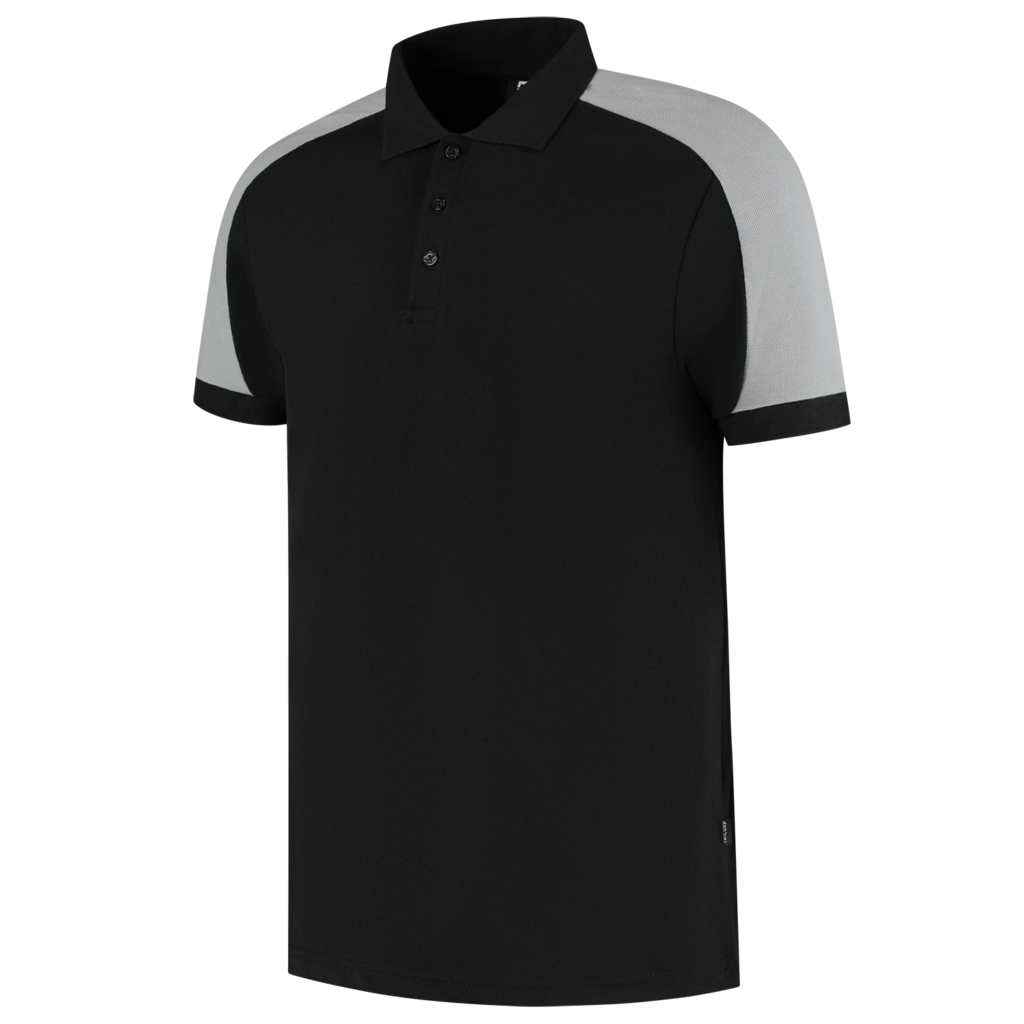
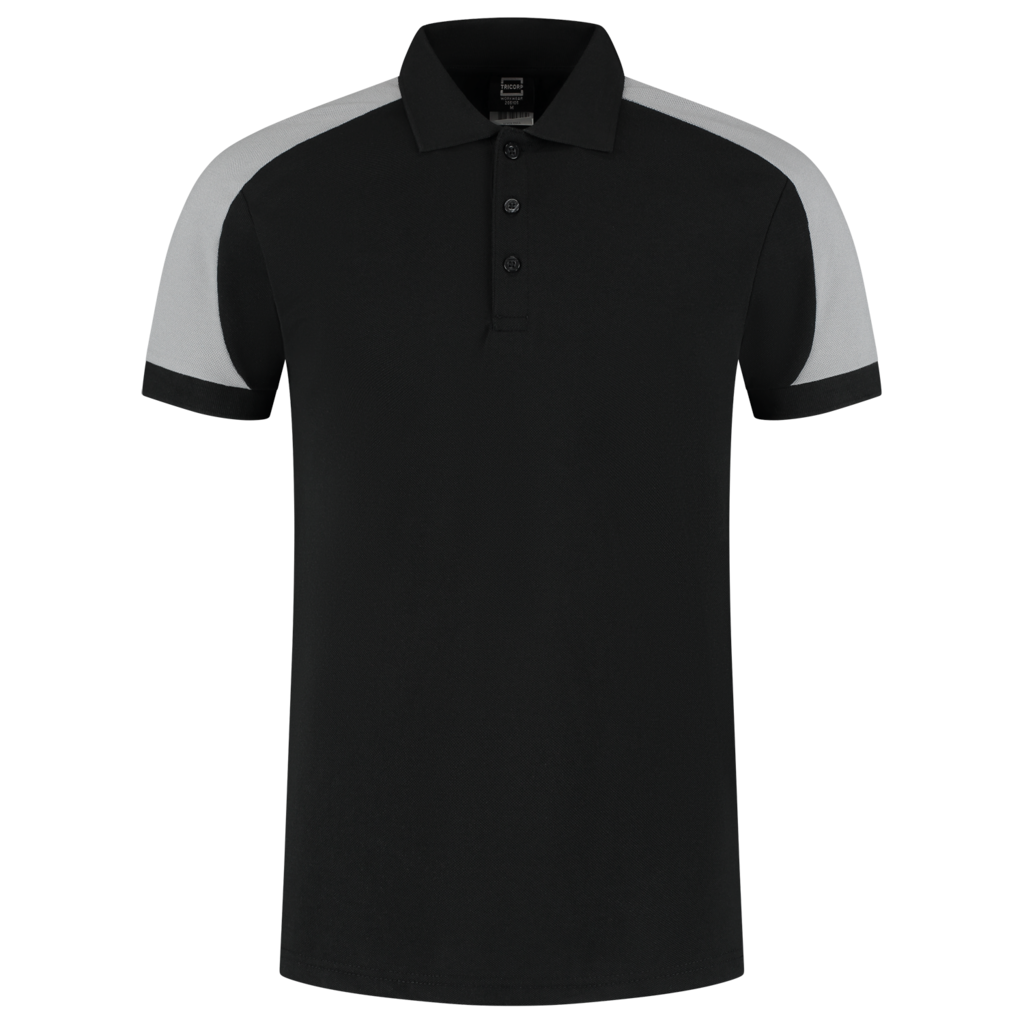
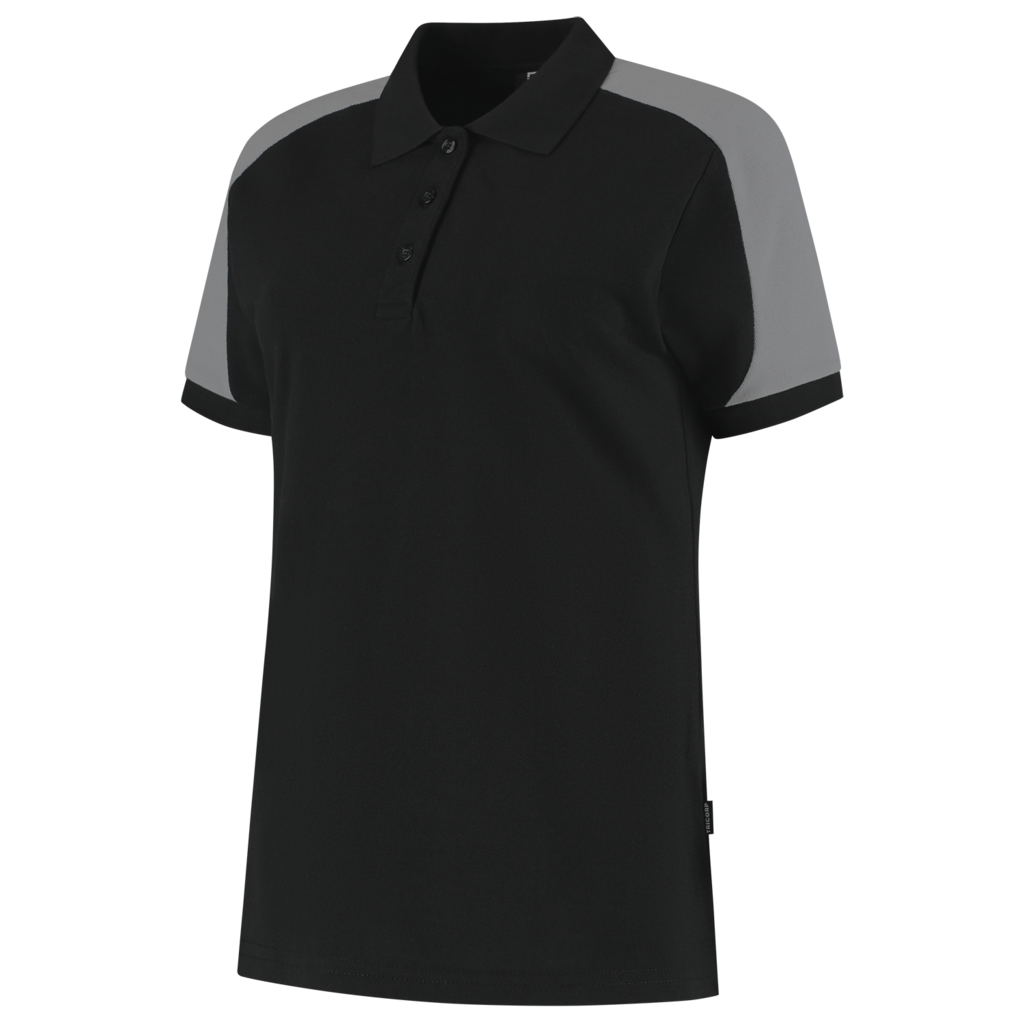
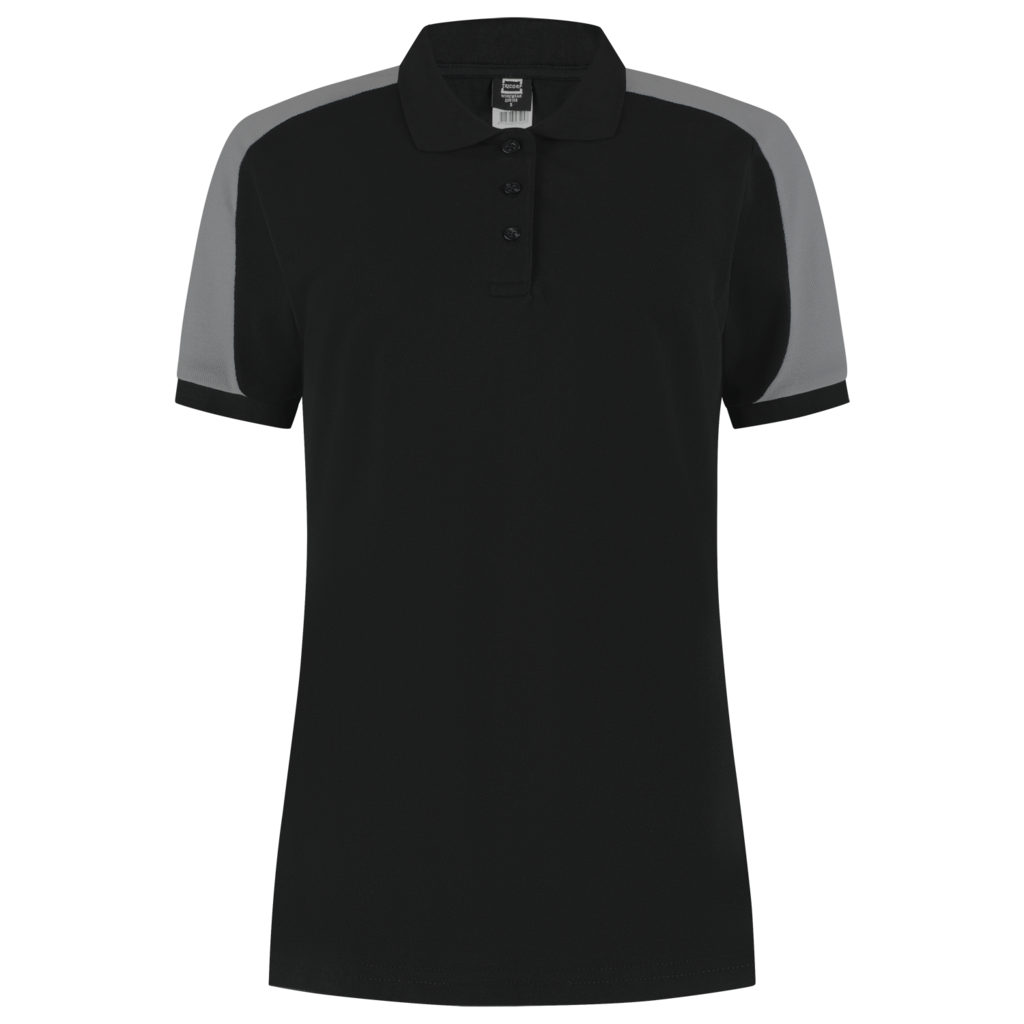
For the service, it is all about a neat and representative appearance. What exactly that entails differs per catering concept. In an informal grand café, a polo shirt with a company logo may suffice. In a more formal restaurant or hotel, the bar is higher and employees are expected to work in smart trousers, blouses or jackets.
Common dress rules for service are: closed shoes, no flashy jewelry, well-groomed hair and clothing without stains or tears. Some companies prescribe a fixed color, others work with a complete uniform. It is wise to record the clothing rules in writing and discuss them upon commencement of employment, so that no misunderstandings arise.
Dress rules for the kitchen
Practical and hygienic requirements apply in the kitchen. Chef's clothing usually consists of a chef's jacket or jacket, a chef's hat or hairnet and an apron. The clothing must be resistant to heat and splashes and can be washed regularly at a high temperature. The more often the clothing is washed, the more important it is to choose quality that will last a long time.
Jewelry, loose hair and open shoes are not allowed in the kitchen. Non-slip safety shoes are mandatory in professional kitchens. These rules not only come from the employer, but also arise from the HACCP guidelines that apply to food safety in the catering industry. Compliance with this is mandatory and is monitored by the Dutch Food and Consumer Product Safety Authority (NVWA).
Uniform or own clothing: what works better?
A frequently asked question in the catering industry is whether a complete uniform works better than guidelines in which employees wear their own clothing within certain limits. A uniform provides the most consistency and recognisability. All employees look the same, regardless of personal style preference. This gives a sleek and professional image.
Working with clothing guidelines, where employees choose clothing within a certain color palette or clothing type, provides more freedom but requires clear communication. Both approaches have their value, depending on the concept and the target group of the company.
Appearance as part of hospitality
In the catering industry, work clothing is more than protection or recognisability. It is part of the total experience that you as a company offer to guests. A well-dressed team exudes professionalism and pride. This strengthens the guest's confidence and contributes to a positive experience. Clothing that fits well, looks neat and fits the company's concept makes the difference between an average and a memorable guest experience.
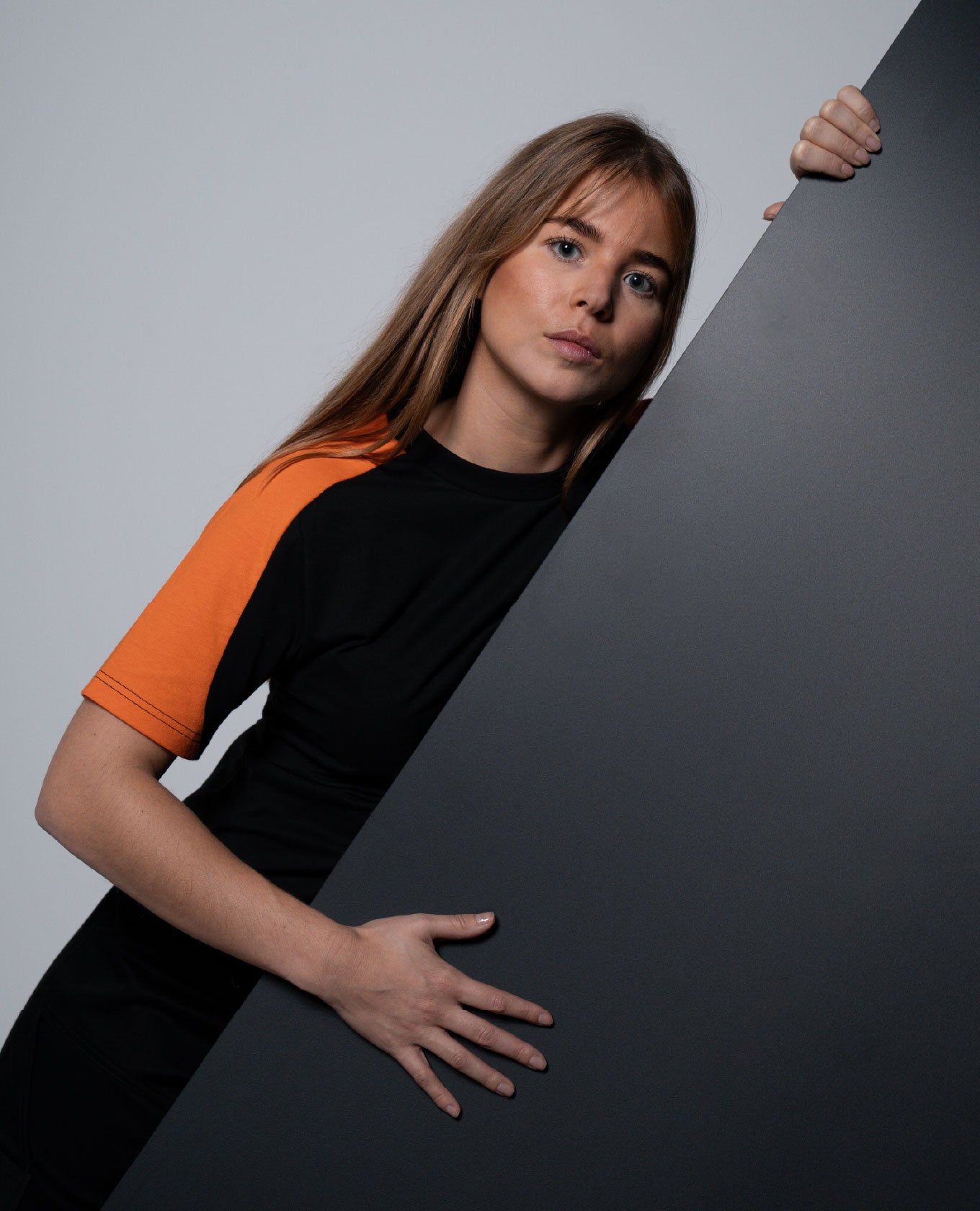
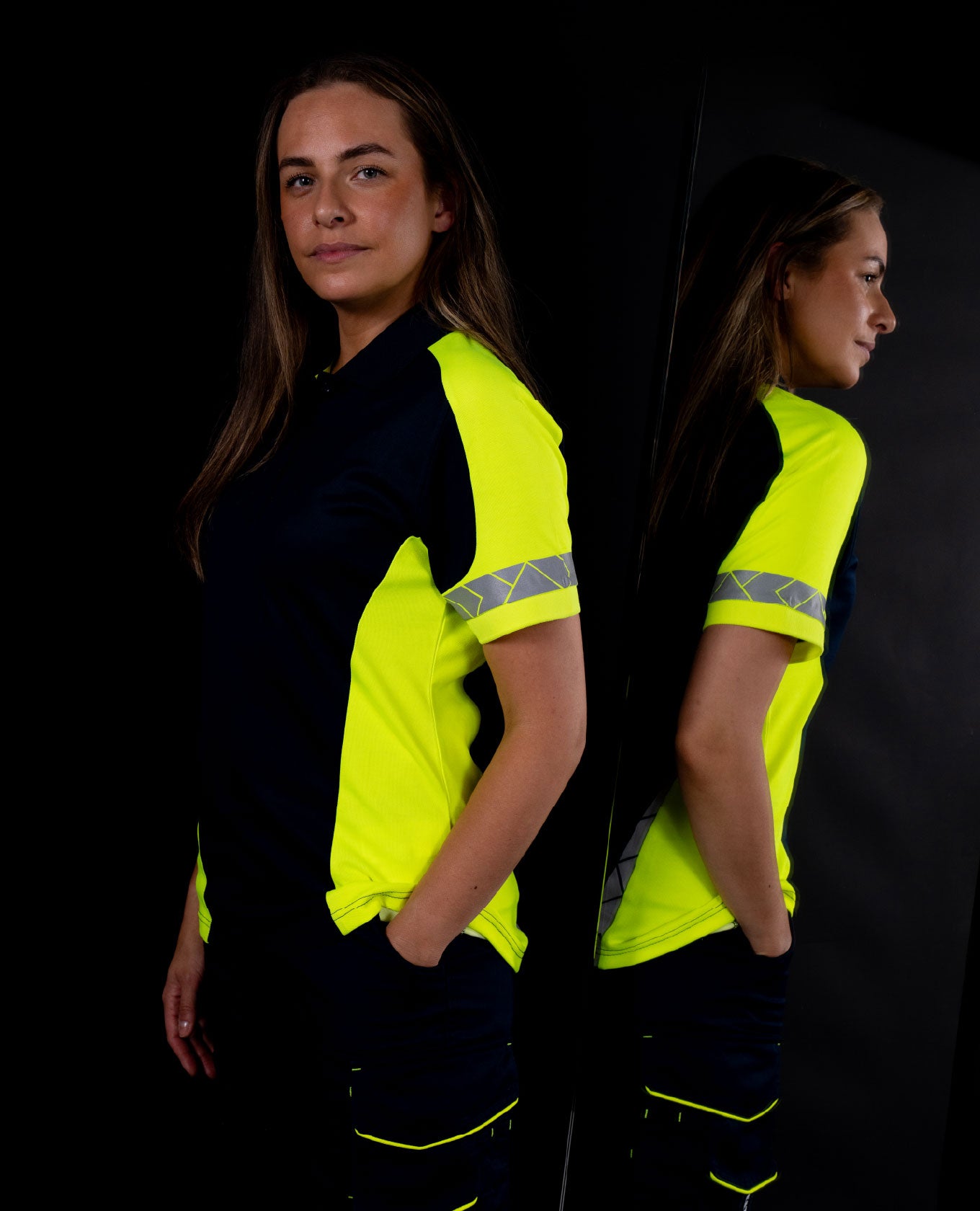
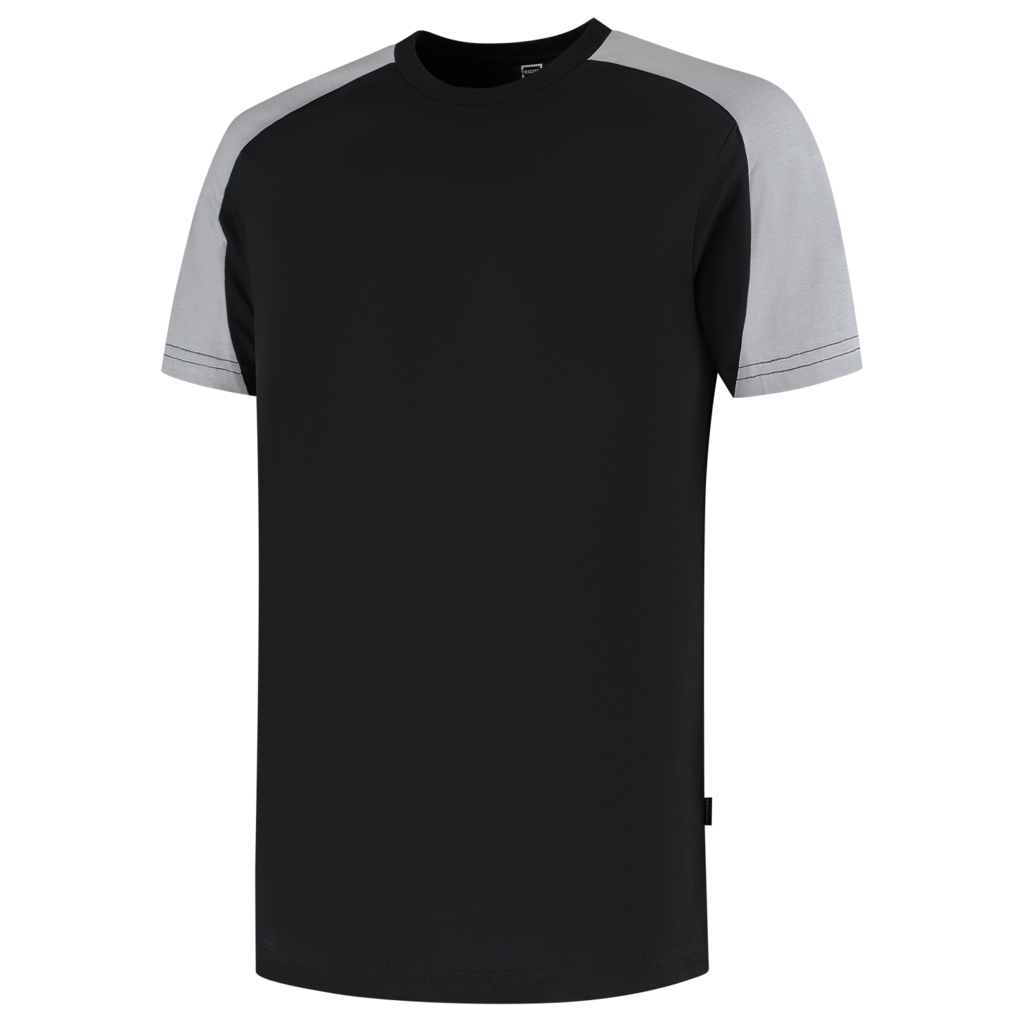
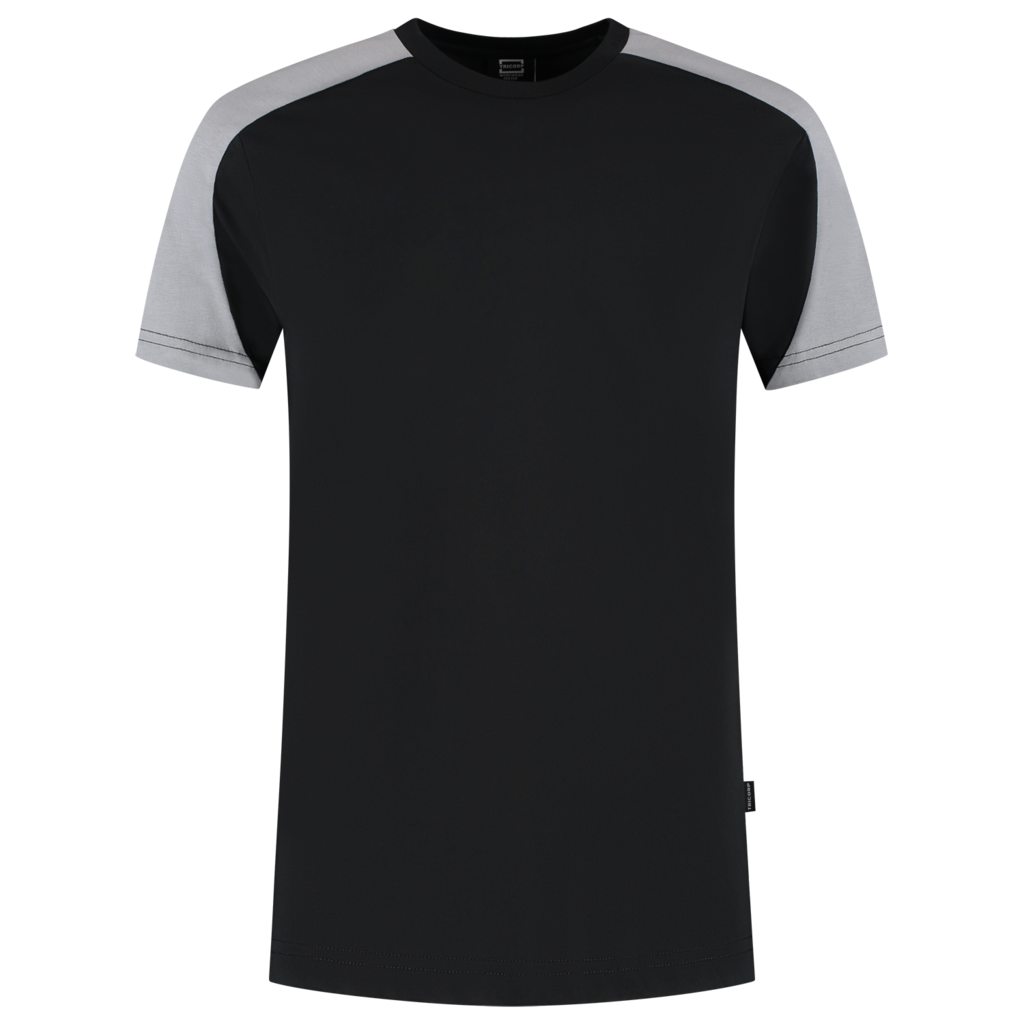
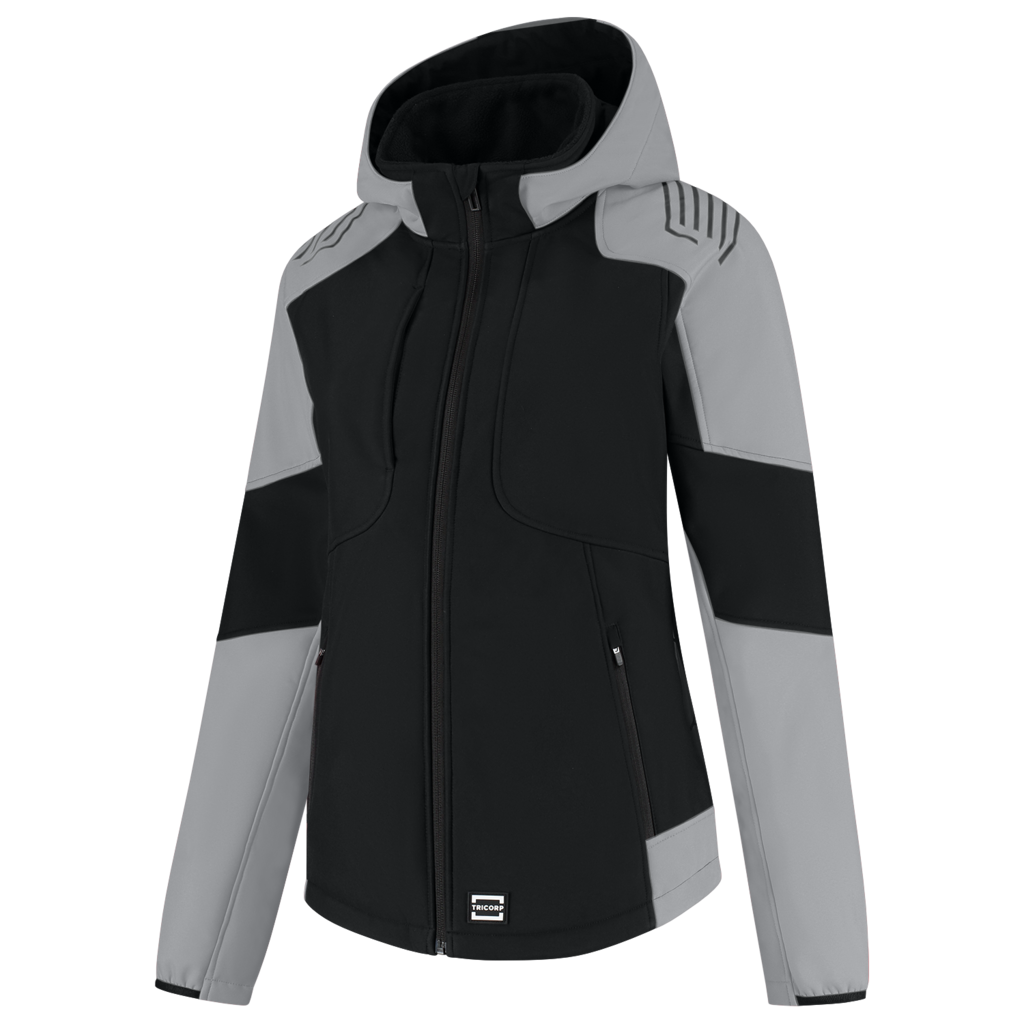
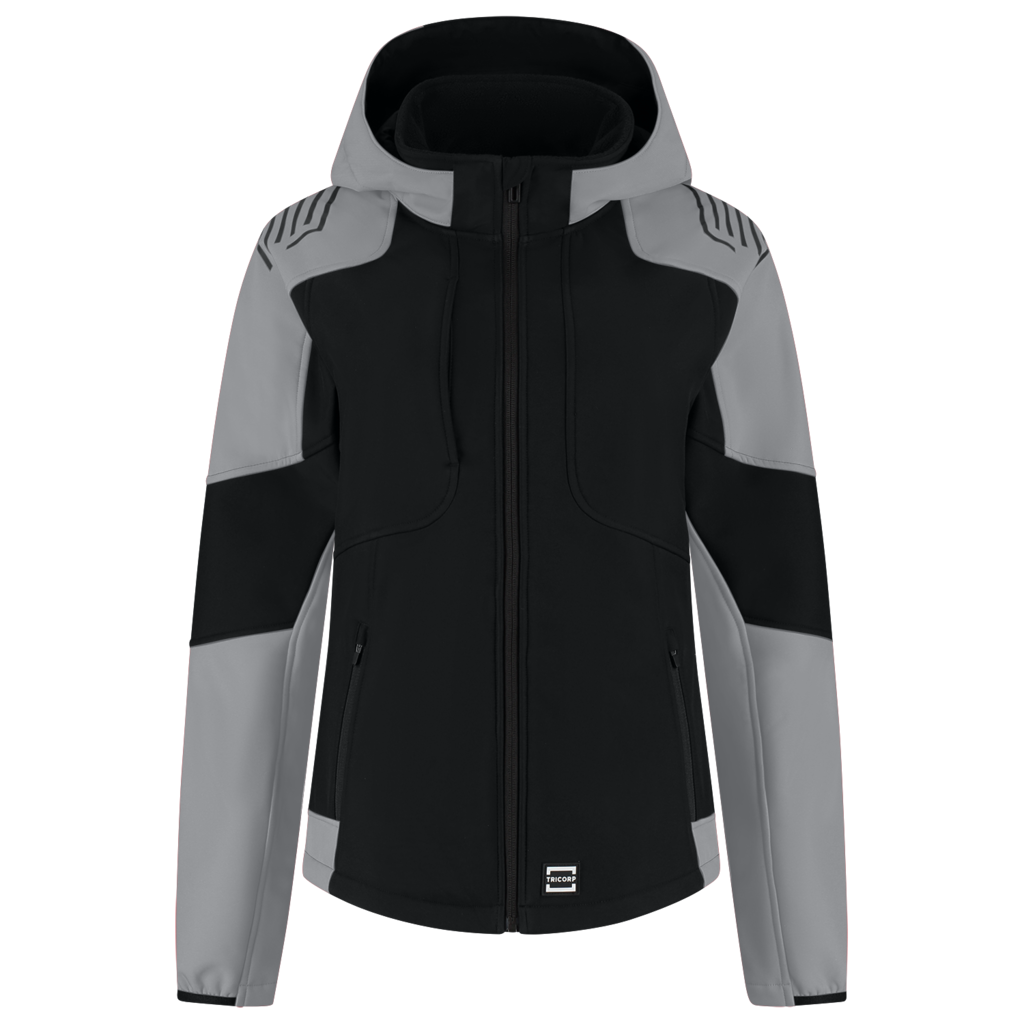
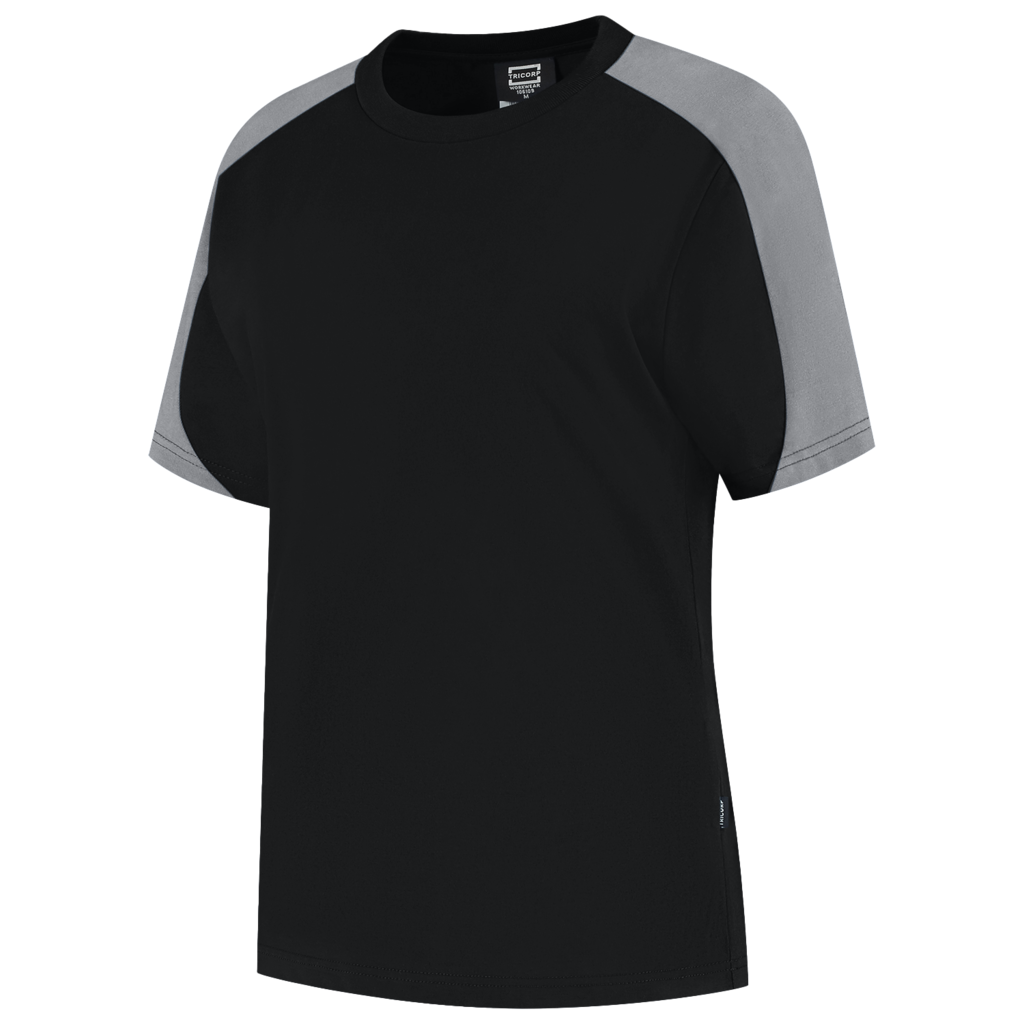
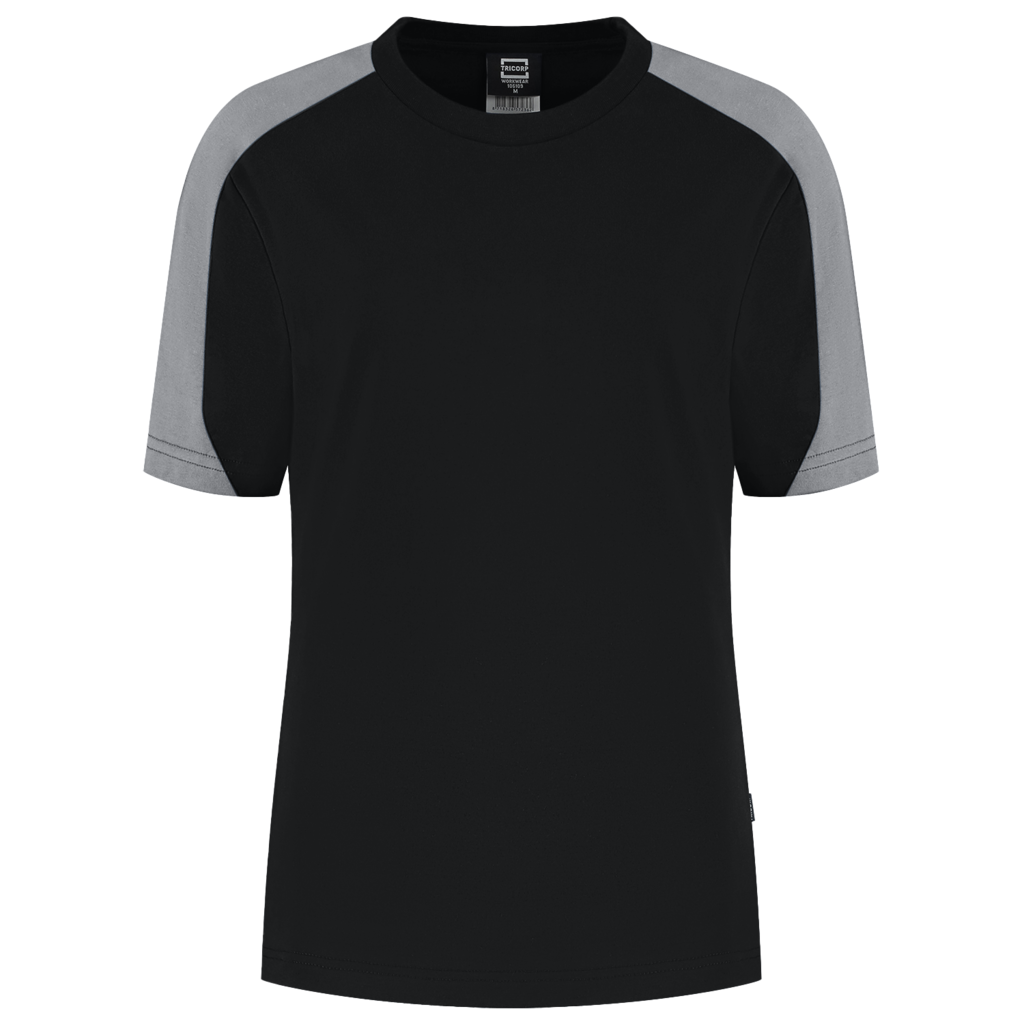
Representative clothing that is comfortable to wear is essential for service. A good example is the Jeans Stretch Jeans & Women's Premium Stretch Jeans: made of 82% cotton, 16% polyester and 2% elastane with a fitted fit. Stylish enough for a professional hospitality environment and comfortable enough for a long shift on your feet. As outerwear, choose it 145-gsm T-shirt: light and airy, ideal for a busy service in a warm catering environment. Or choose it Fitted T-shirt Rewear: made from organic cotton and recycled polyester. The 160 g/m² single jersey material makes the shirt light and breathable, suitable for intensive daily use. The fitted fit gives a modern, professional look and the neck collar keeps its shape, even after frequent washing. It is for a neater appearance Fitted Stretch Shirt a good choice.