






Safety standards and PPE explained

When an item carries a safety standard, it is considered PPE: Personal Protective Equipment.
PPE is a tool that an employee wears to protect themselves against risks and hazards in the workplace that could harm health or safety.
Examples of this are hearing protection, but also protective clothing against heat, chemicals or electricity.
What requirements must PPE meet?
According to the Working Conditions Act, PPE must meet various health and safety requirements:
- The PPE must provide adequate protection against the risk for which it is intended.
- The user must be able to perform the work safely and effectively while maintaining the highest possible level of protection
- The use of PPE may not cause additional risks or inconvenience for the wearer.
Different Risk Categories
Personal protective equipment (PPE) can be classified into three risk categories, based on the severity of the risk, as laid down in the Working Conditions Act.
-
Category 1: PPE against minimal risks These protective equipment provide protection against superficial injuries or minor risks, such as:
- exposure to harmless cleaning agents,
- touching warm surfaces up to a maximum of 50 °C,
- mild weather conditions,
- eye damage from sunlight. Examples include sunglasses, rain gear and simple work gloves.
- Category 2: PPE against medium risks. This concerns protective equipment that does not fall under category 1 or 3. Examples are safety shoes and safety helmets.
-
Category 3: PPE against serious and irreversible risks. This category concerns protection against life-threatening or permanent damage, such as:
- hazardous substances and mixtures,
- oxygen-poor breathing air,
- harmful biological agents,
- ionizing radiation,
- extreme heat (≥ 100 °C) or extreme cold (≤ –50 °C),
- falling from a great height,
- electric shock and working under voltage,
- drowning,
- cuts from chainsaws,
- high pressure jets,
- gunshot or stab wounds,
- harmful noise.
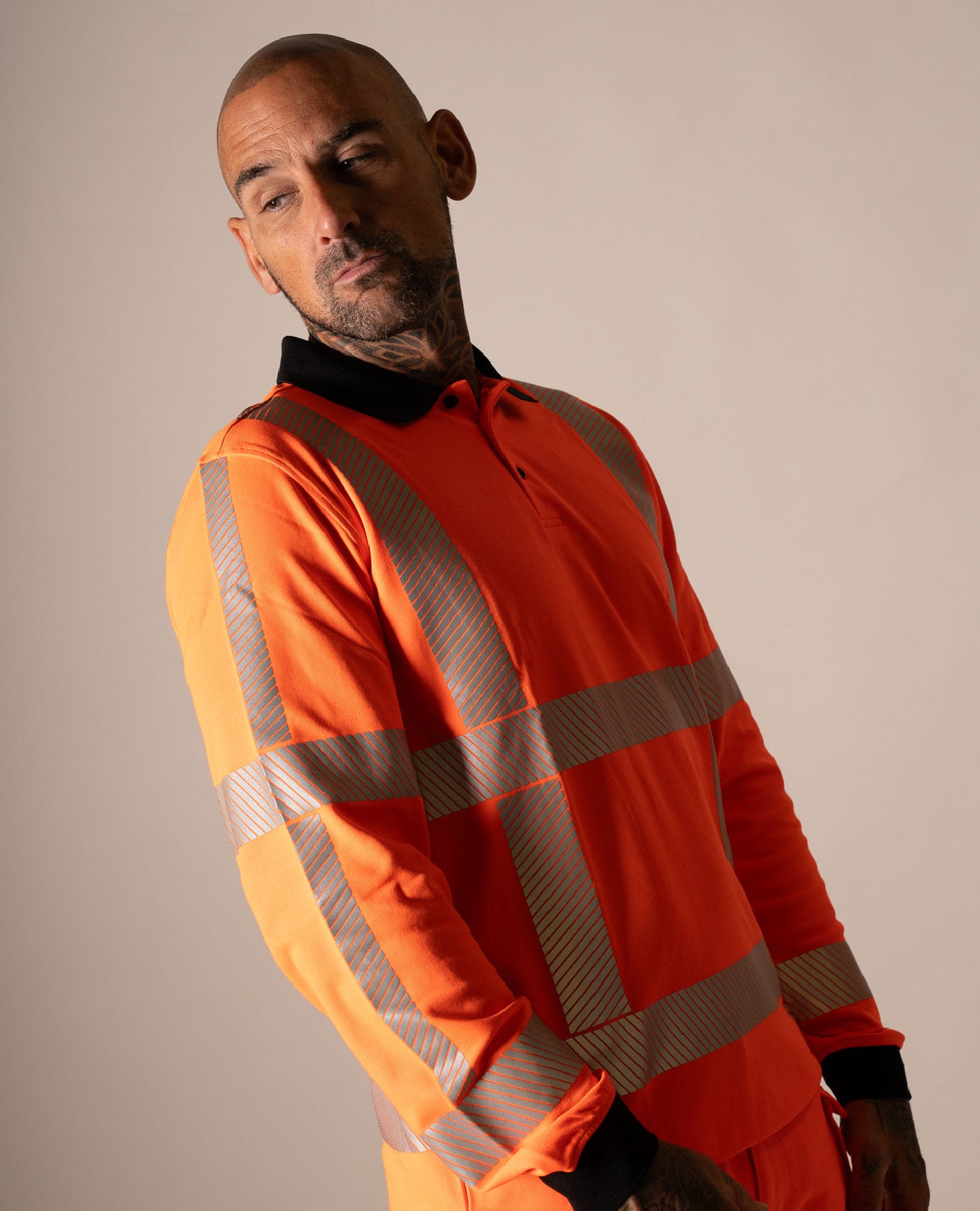
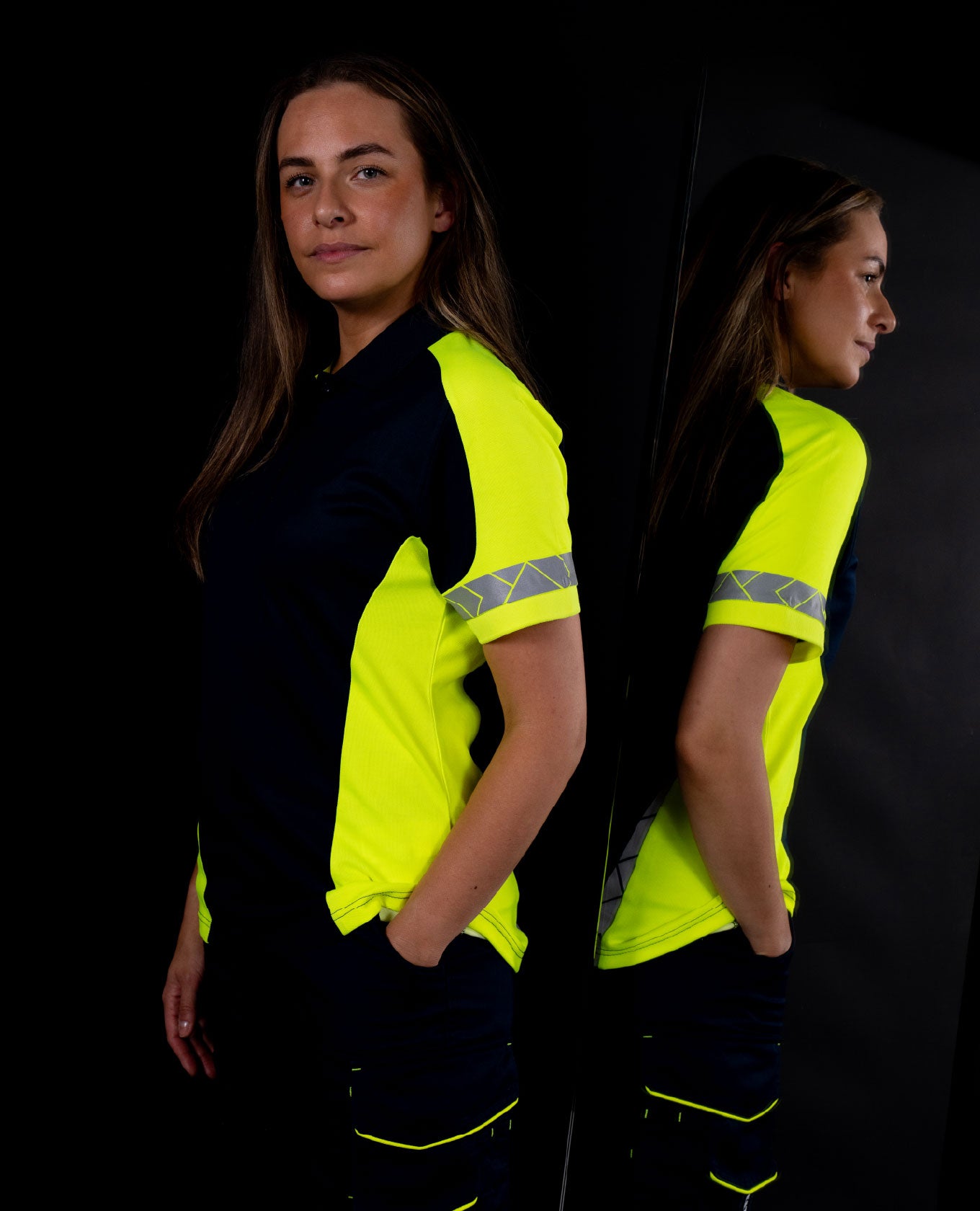
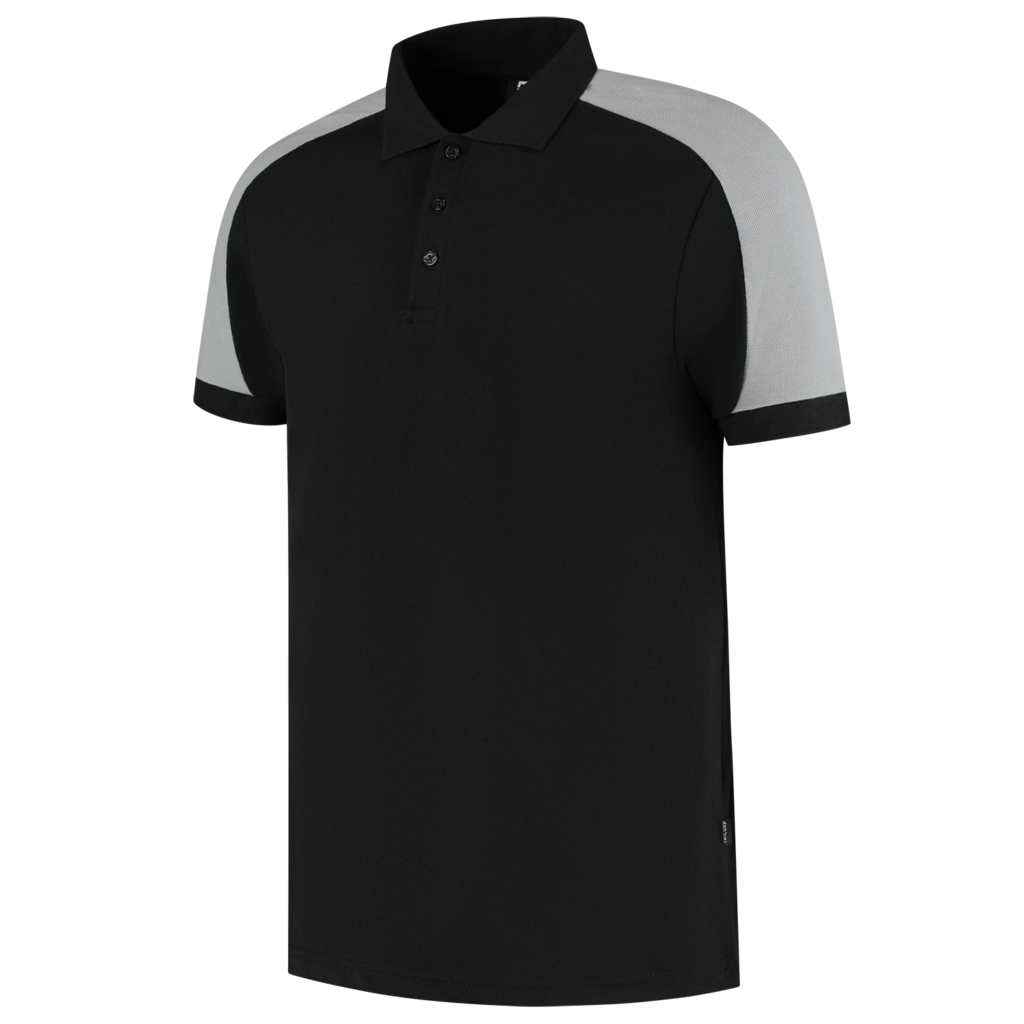
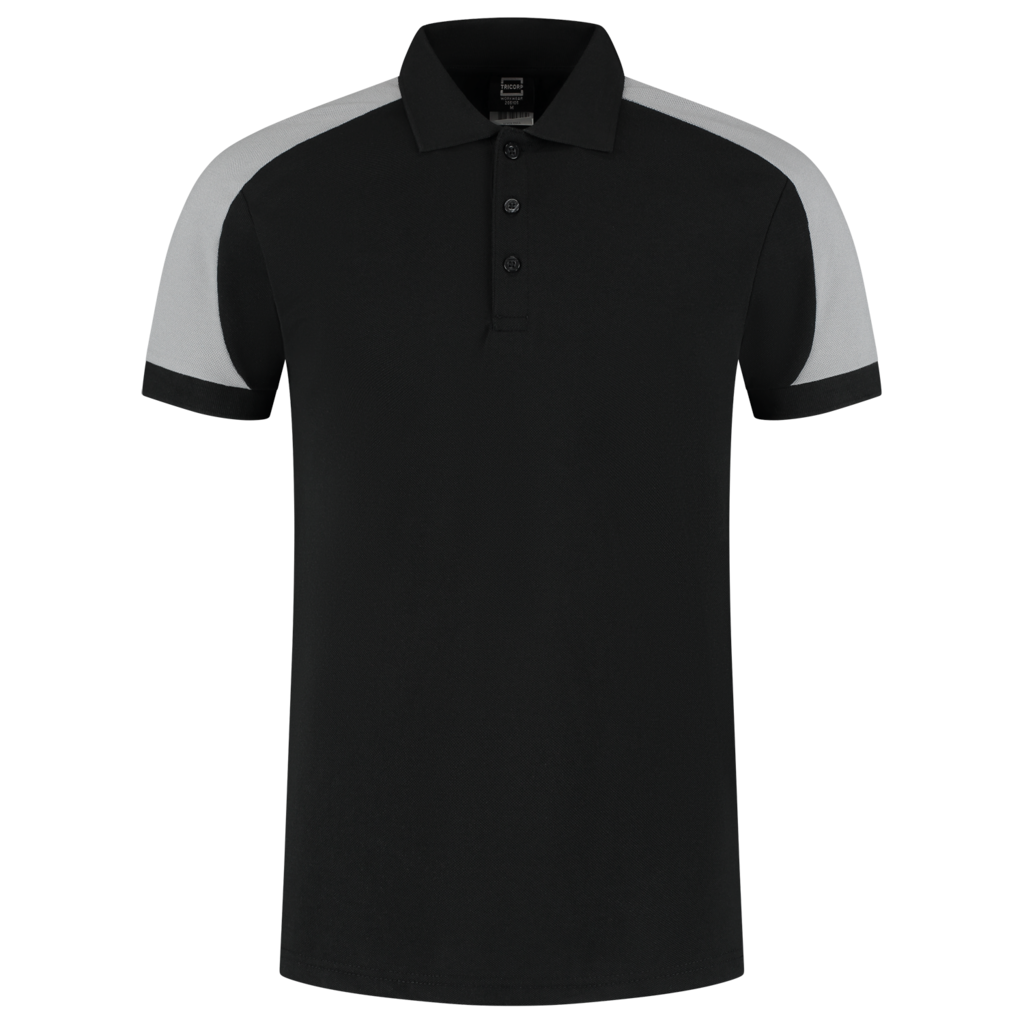
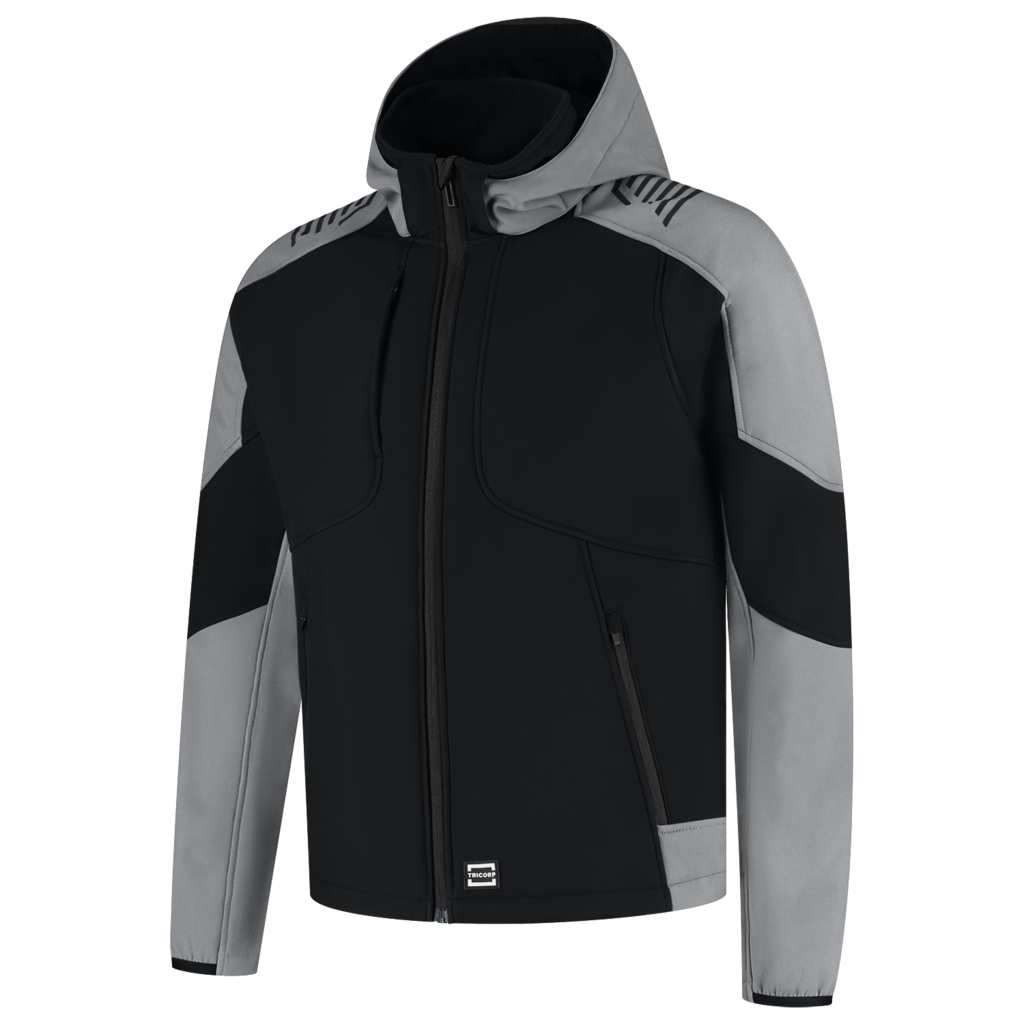
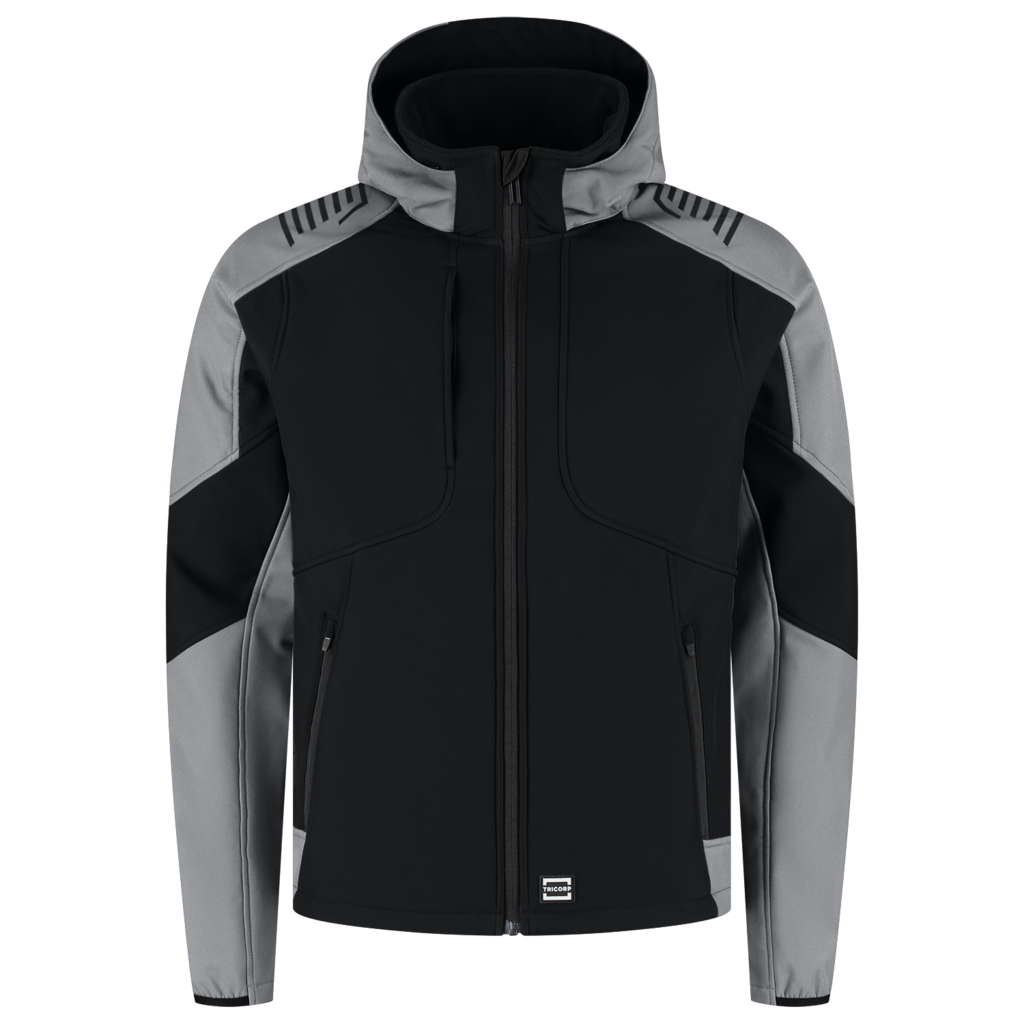
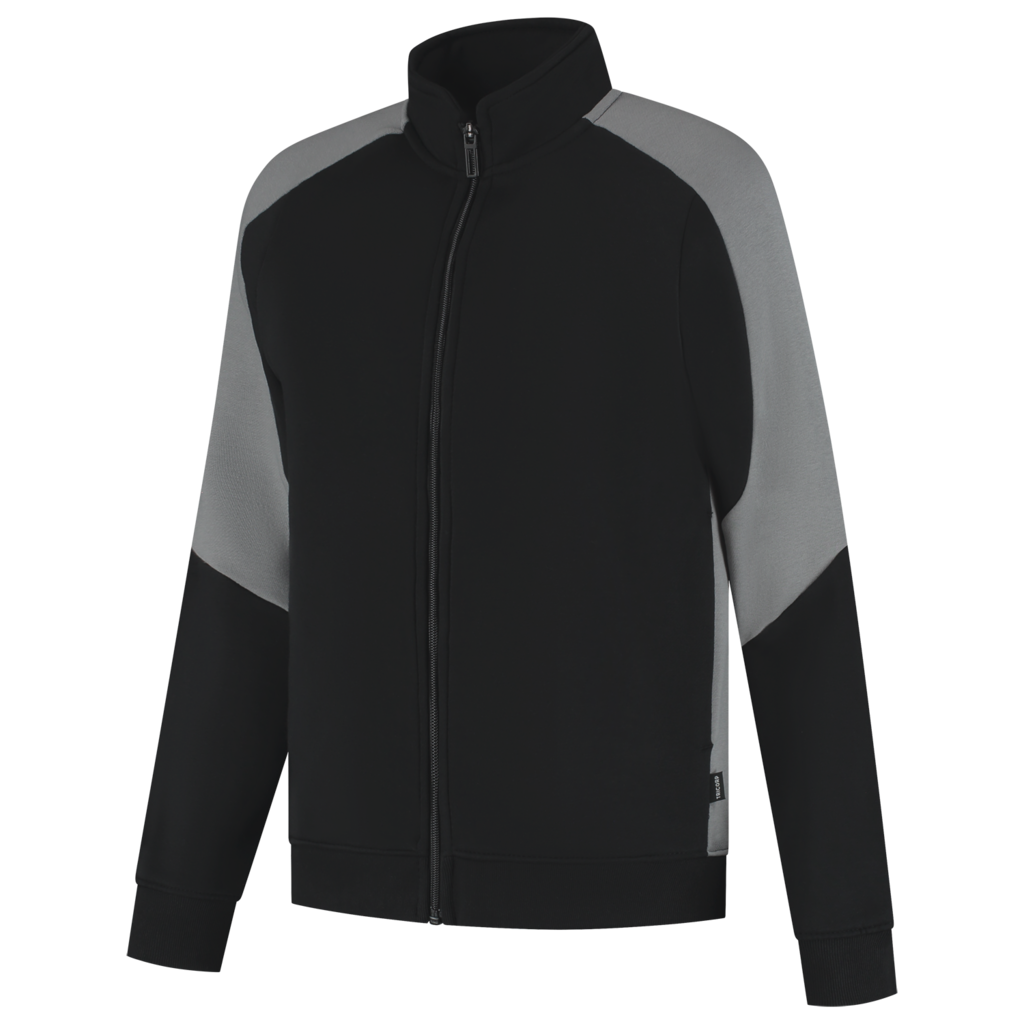
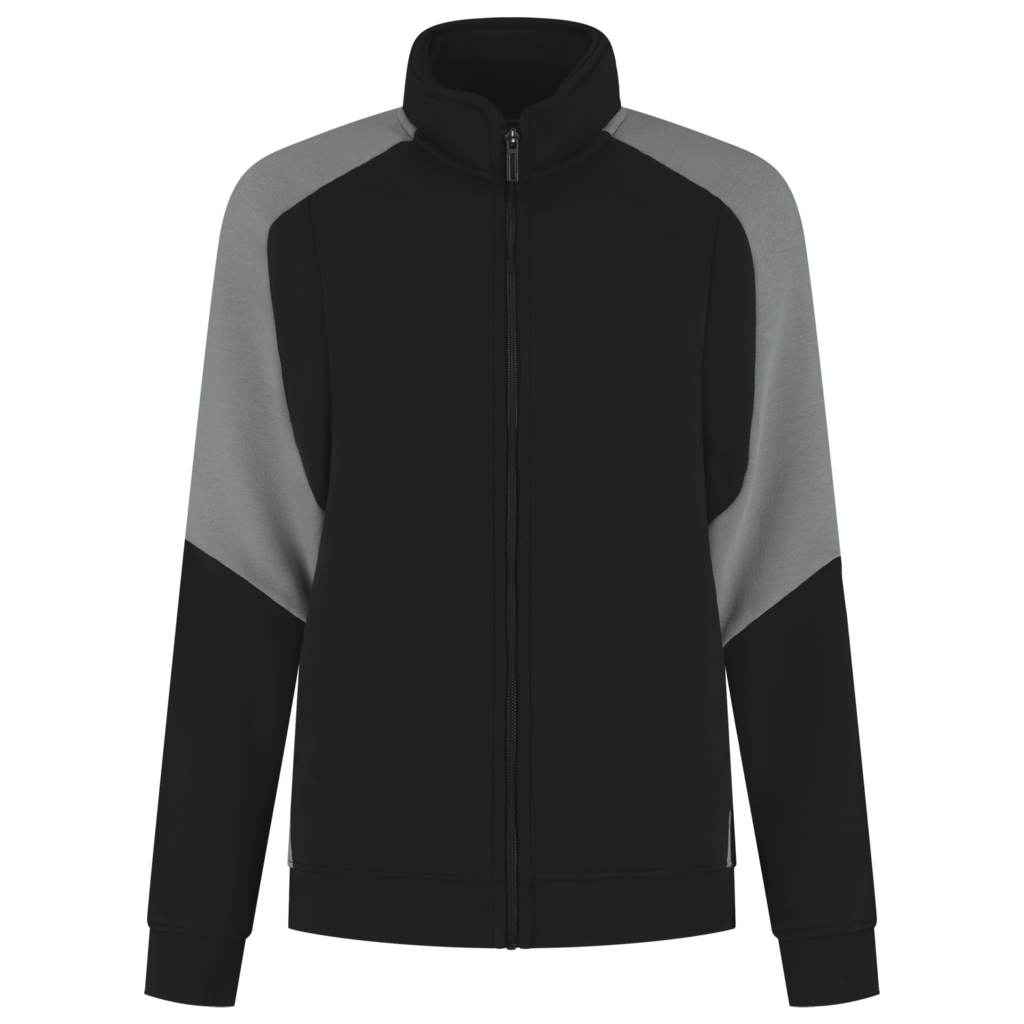
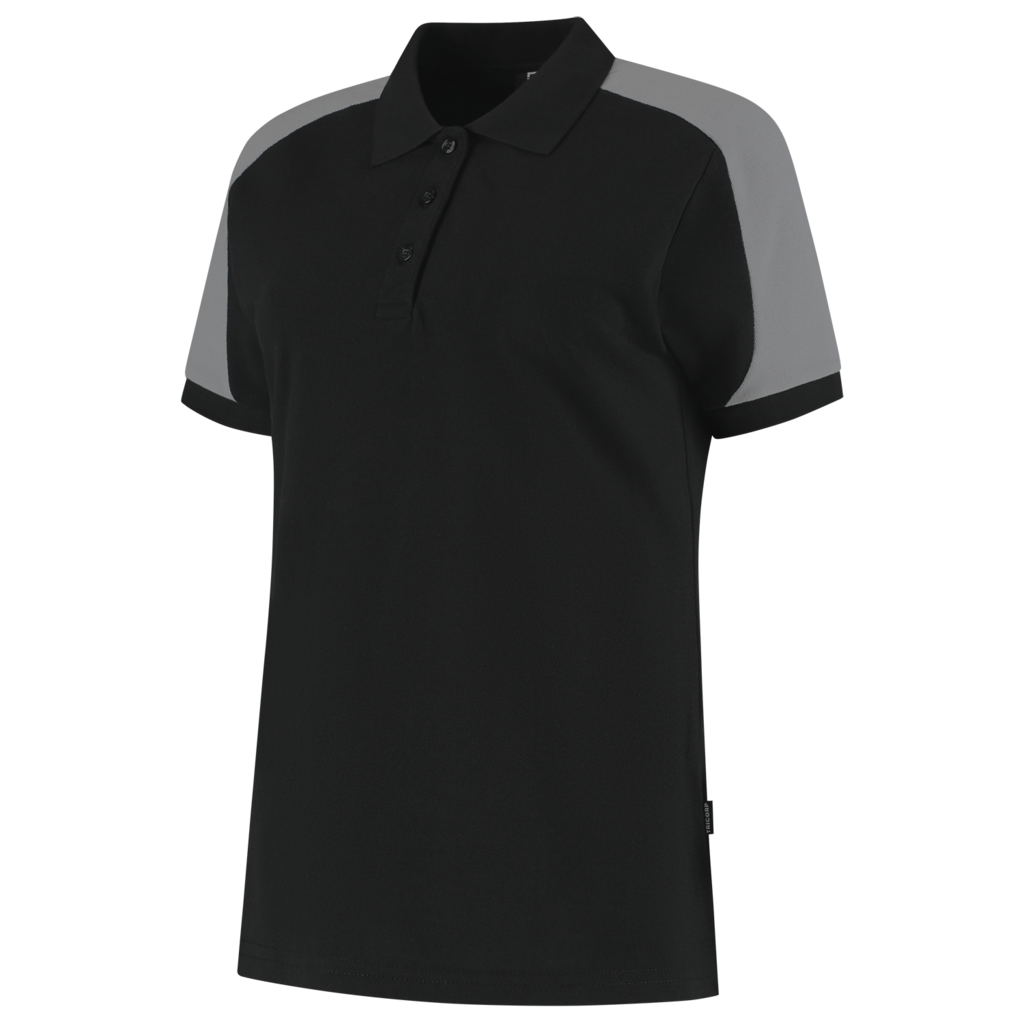
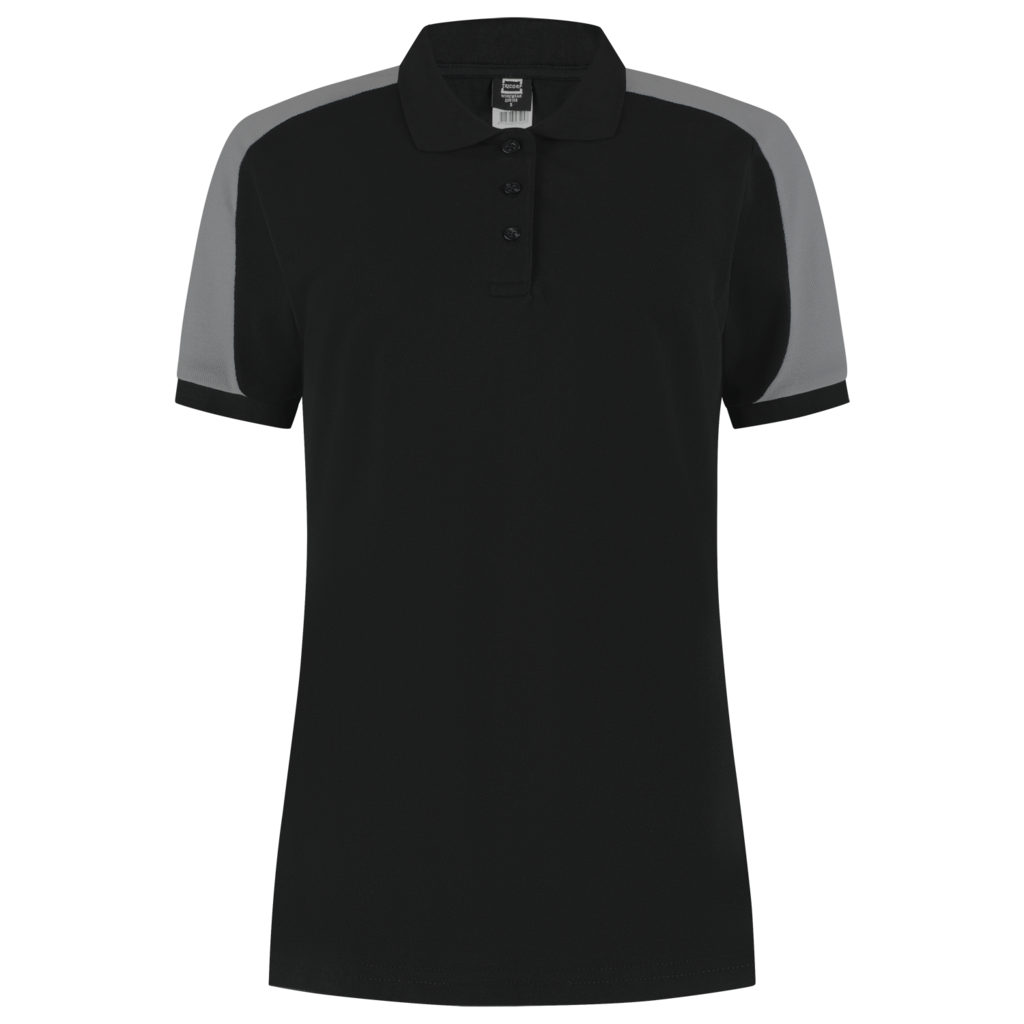
Tricorp's protective work clothing that meets specific standards falls into categories 1, 2 and 3.
When does a standard receive which prefix?
Various organizations are active in drawing up safety standards. Depending on which organization publishes the standard, the standard is given a different prefix, such as EN or IEC.
-
EN ISO standards
There is another distinction within the EN standards: sometimes they also bear the prefix ISO. This means that the standard is not only European, but also internationally recognized. ISO standards are established by the International Organization for Standardization (ISO). When Europe adopts an ISO standard, an EN ISO standard is created: one uniform standard that is used both in Europe and worldwide. -
EN standards
Other standards are drawn up within the EU by the European standards organization Comité Européen de Normalization (CEN). These standards carry the prefix EN. They are often based on IEC documents, but adapted to the European context. EN standards have a legal status: when work clothing meets the correct EN standards, the manufacturer may affix the CE marking. EN can sometimes also be preceded by NEN or DIN. This means that the standard was originally drawn up in the Netherlands (NEN) or Germany (DIN) and was subsequently adopted within the European Union. -
IEC standards
Standards for protection against electricity and related protective clothing are established by the International Electrotechnical Commission (IEC). These standards are therefore given the prefix IEC. These are international technical guidelines that serve as a reference worldwide. They are not legally binding in themselves, but many countries adopt them in their national or regional standards.
Want to know more?
Would you like to know more about one of the standards or products? Then also read the other articles about the specific standards on our website knowledge base!