

How heavy is work clothing?
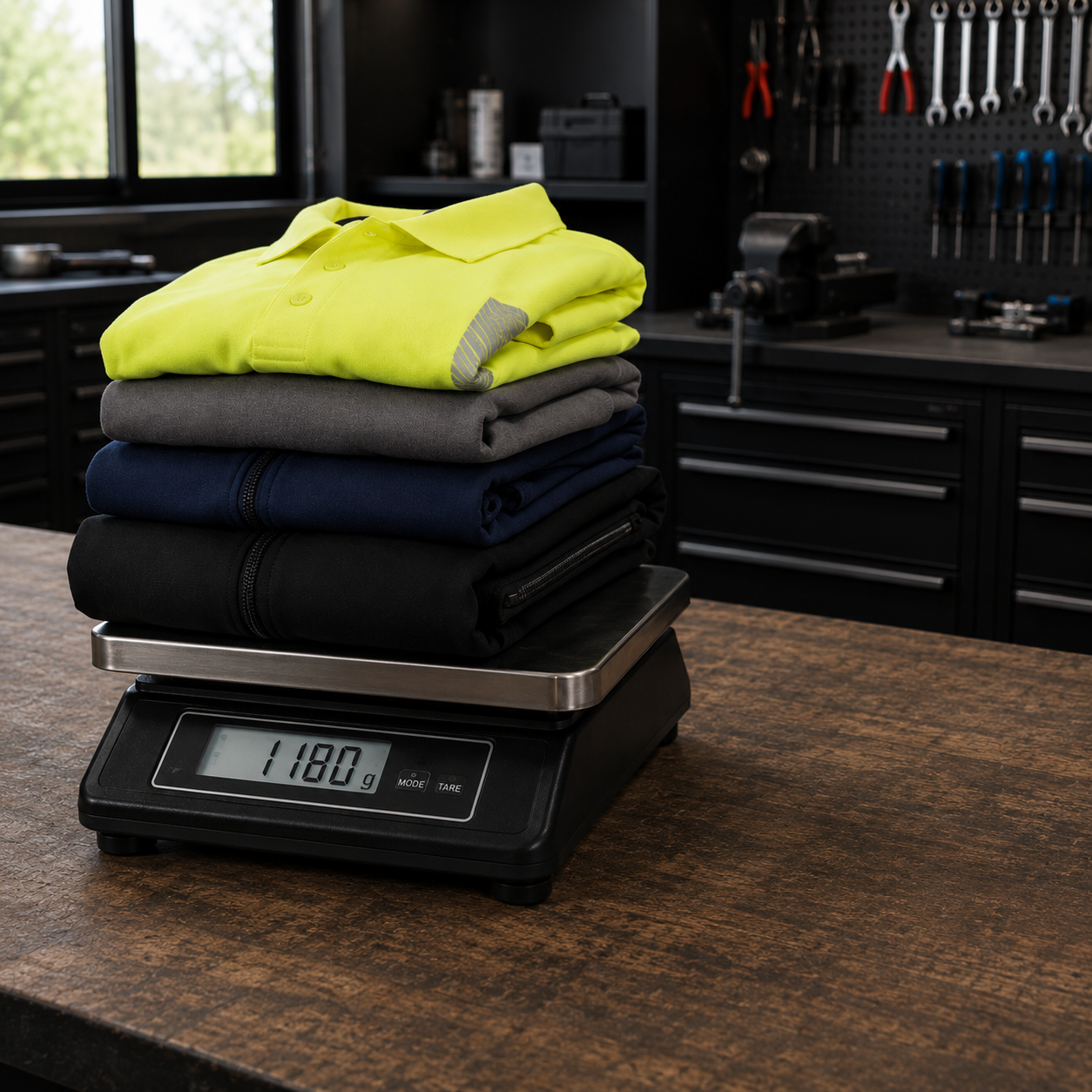
The weight of work clothing varies greatly. A light summer T-shirt weighs a lot less than a lined winter coat. But how much exactly does work clothing weigh and why does it matter? In this article we explain how the weight of work clothing is expressed, what it says about the quality and how to make the right choice for your situation.
How is the weight of work clothing expressed?
The weight of textiles is expressed in grams per square meter, abbreviated as g/m². This is a measure of the density and thickness of the fabric, not the overall weight of the garment. A 145gsm T-shirt is lighter and thinner in fabric than a 190gsm T-shirt, although the total weight of the garment may vary by size.
As a rule of thumb, the higher the g/m², the heavier and thicker the fabric, and usually the more durable and warmer the garment. Lighter fabrics are airier and cooler, but wear out faster with intensive use. Heavier fabrics are more robust and warmer, but less suitable for warm weather or intensive exercise.
Light workwear: ideal for warm weather and active work
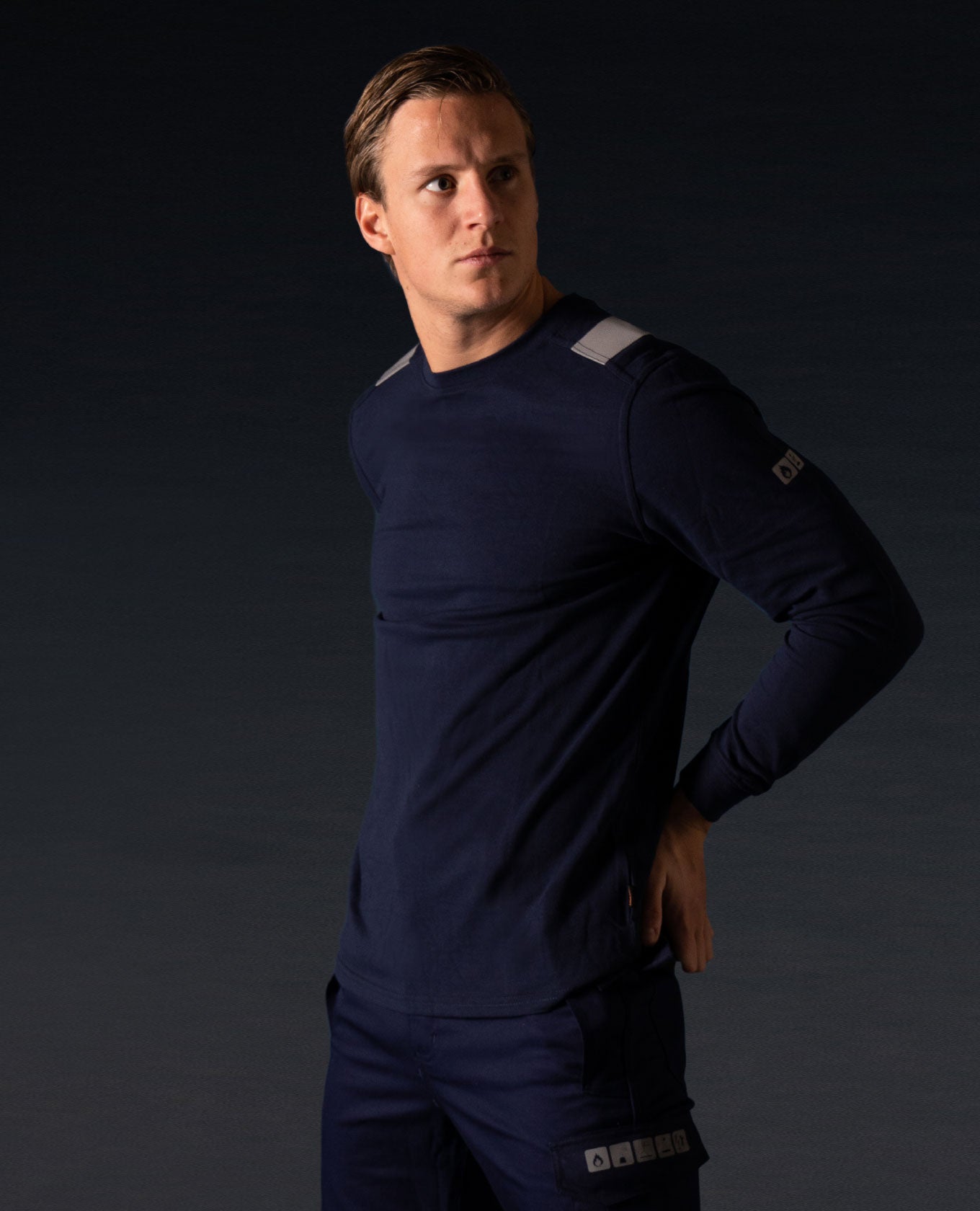
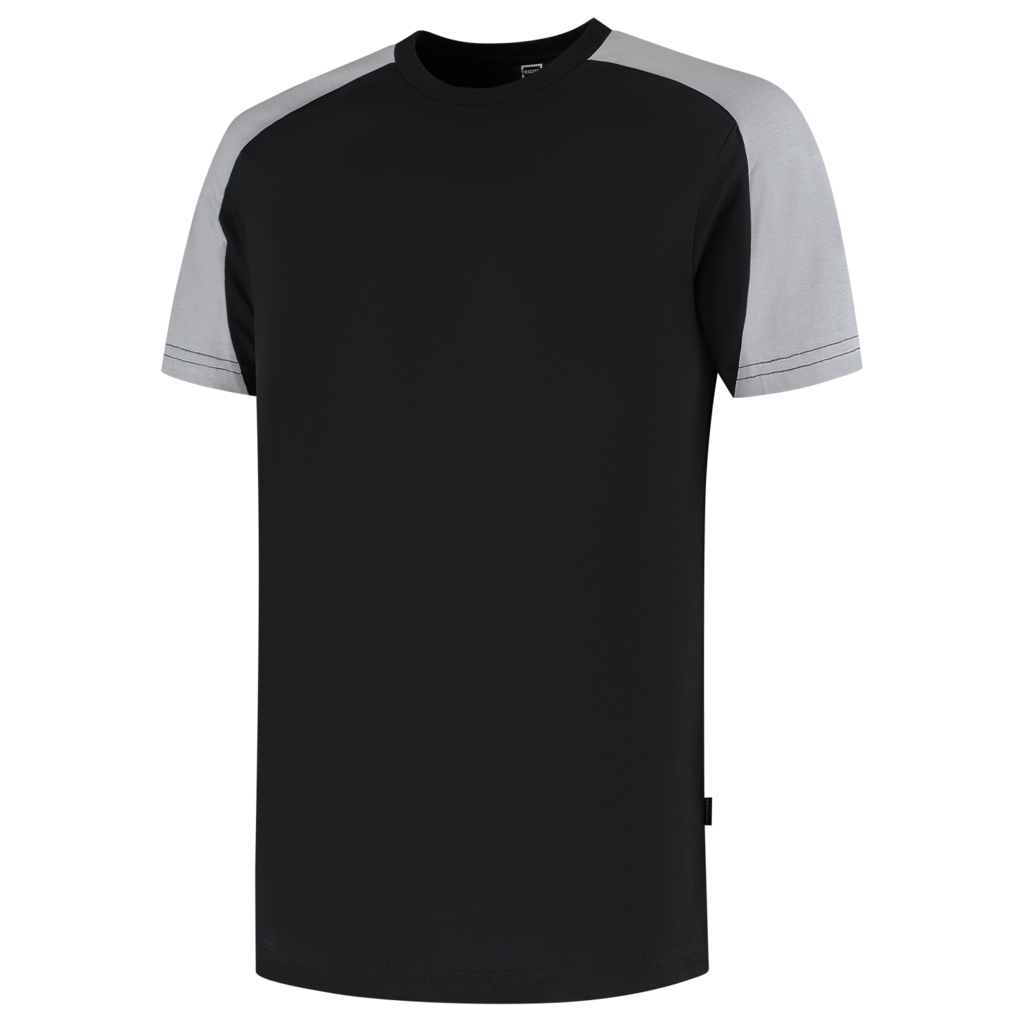
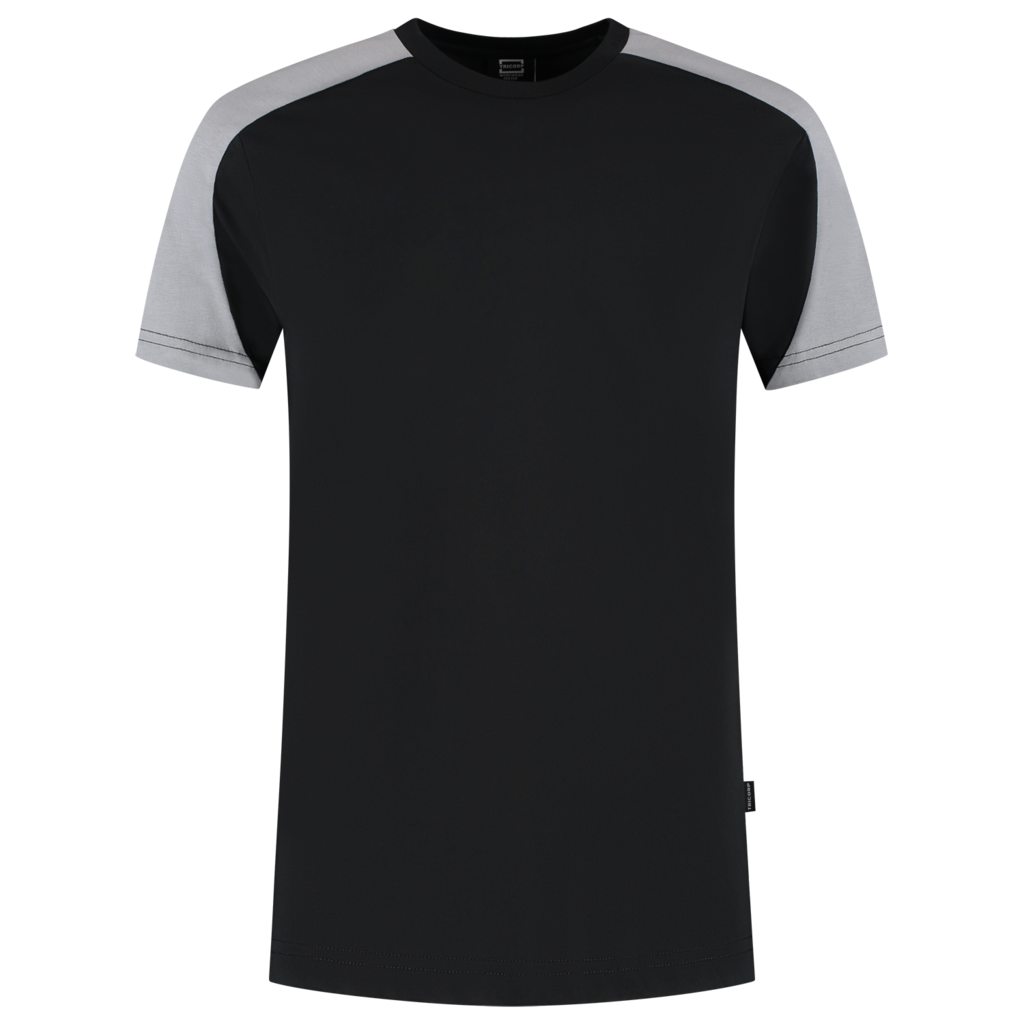
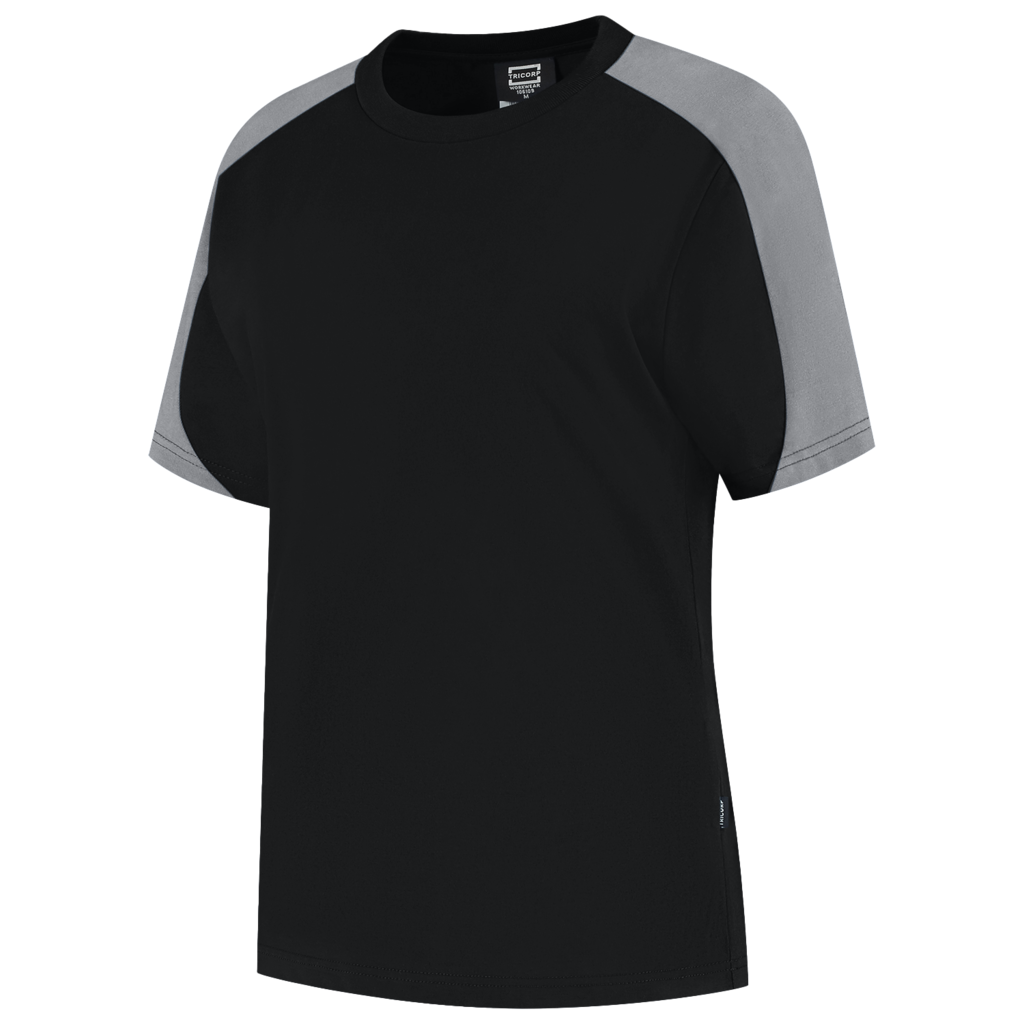
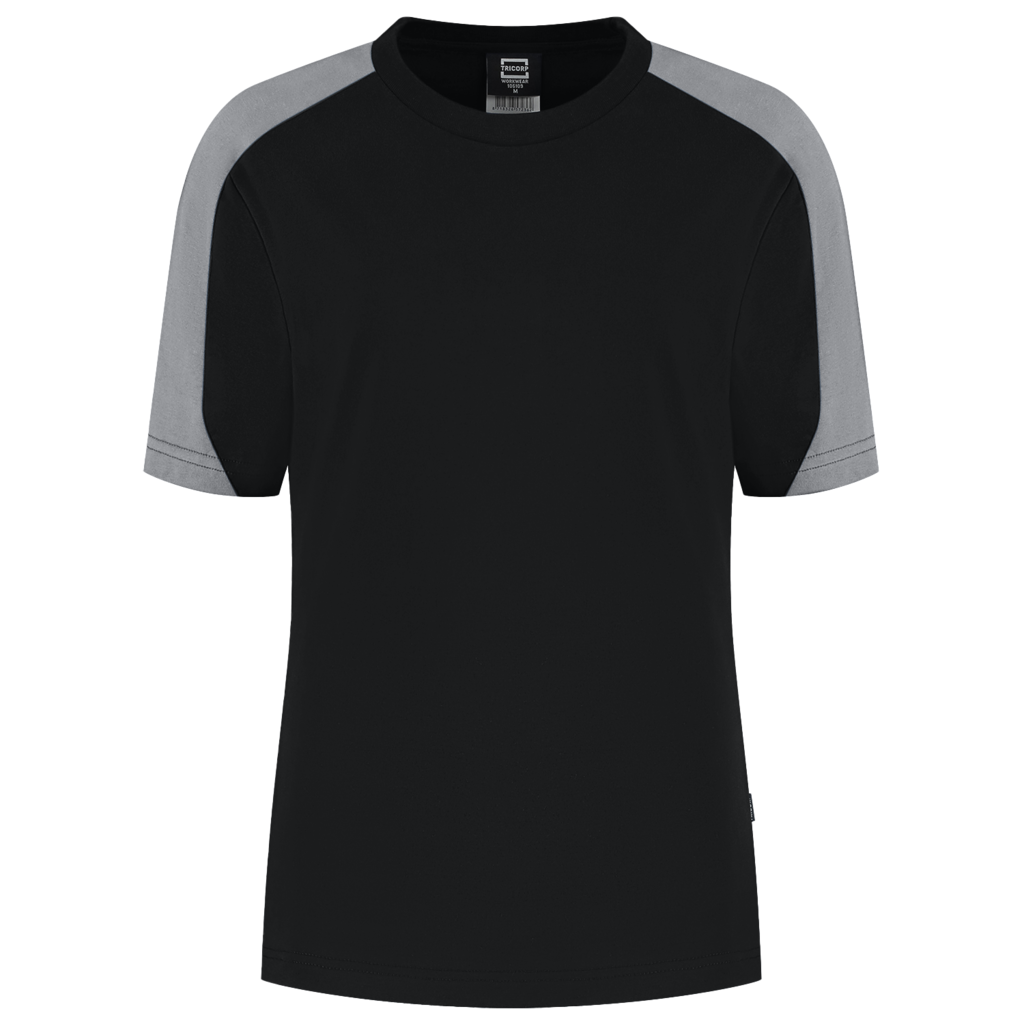
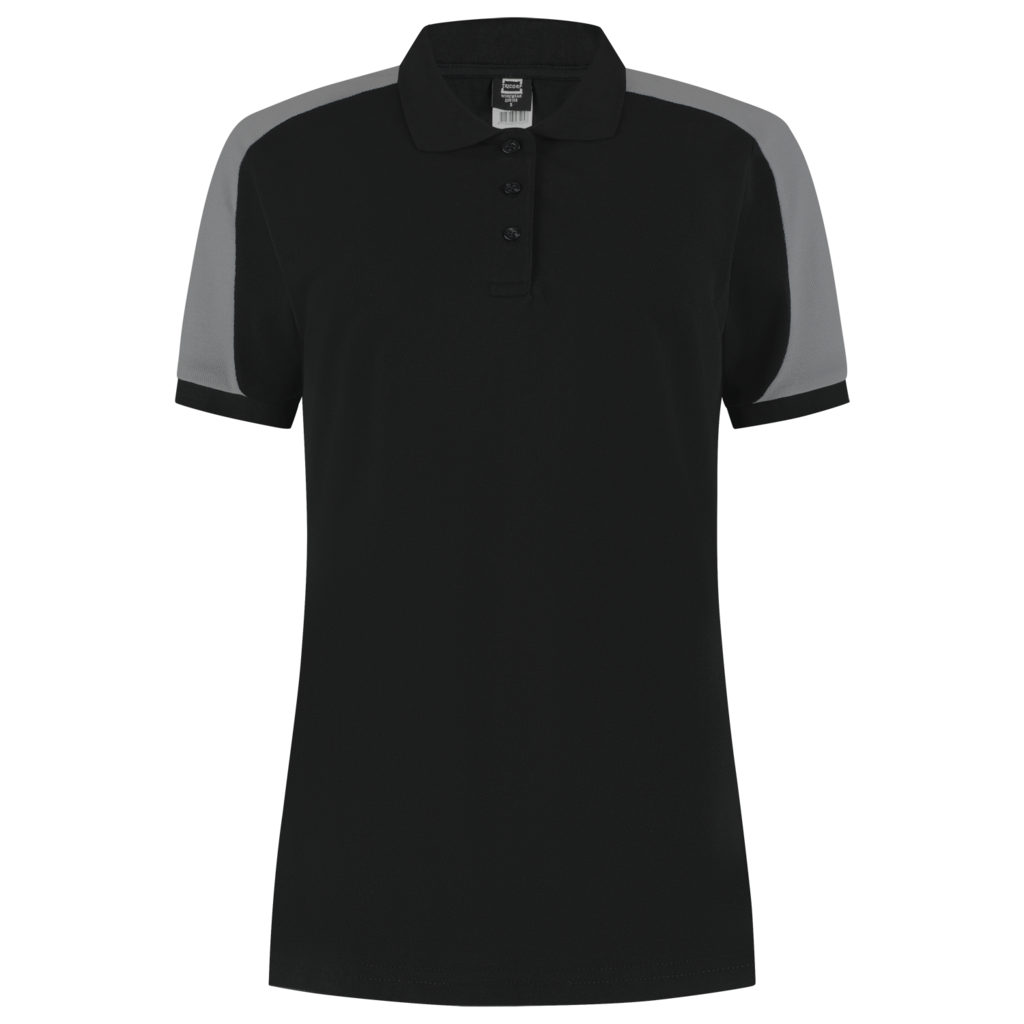
For professionals who work outside in the summer or are actively moving all day, light work clothing is the best choice. It 145-gsm T-shirt Made from 85% cotton and 15% viscose, it is one of the lightest T-shirts in the range. The fabric is airy, breathes well and feels pleasant on the skin. Ideal for a busy shift in a warm environment or for intensive outdoor work in the summer.
Light work clothing has the advantage that it is less stressful for the wearer and retains less heat. For positions that involve a lot of movement or working in high temperatures, a lower g/m² is usually more comfortable.
Heavier work clothing: for cold weather and extra protection
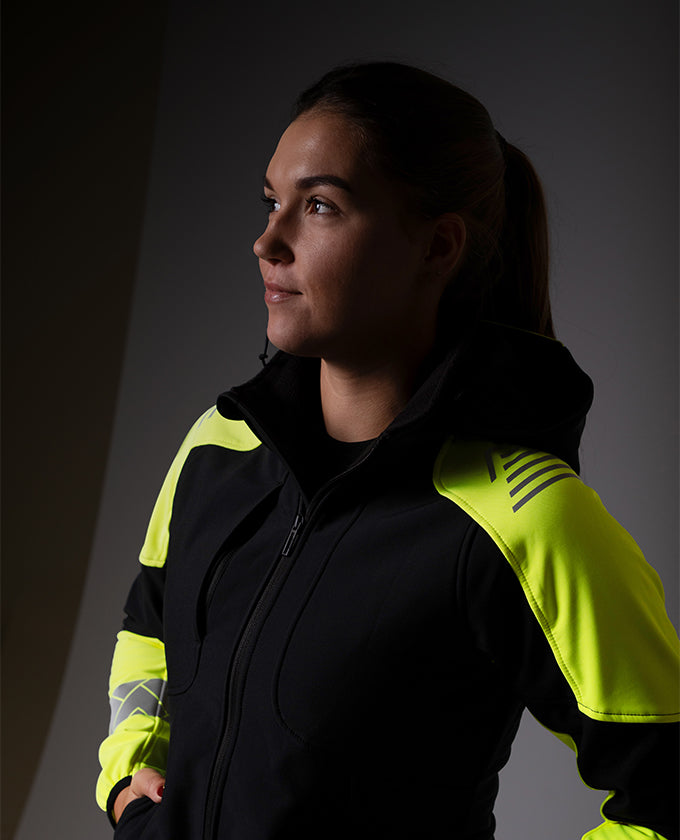
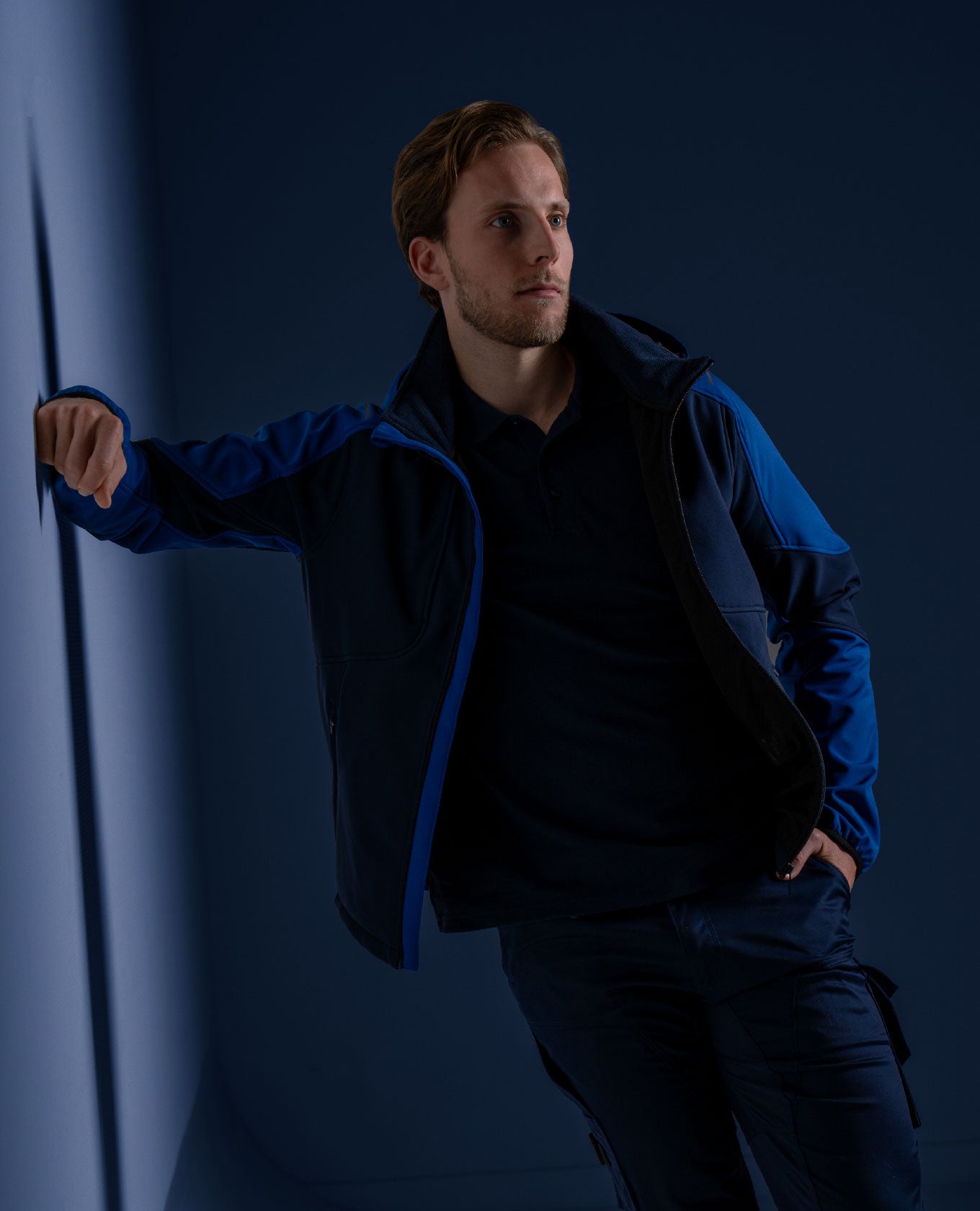
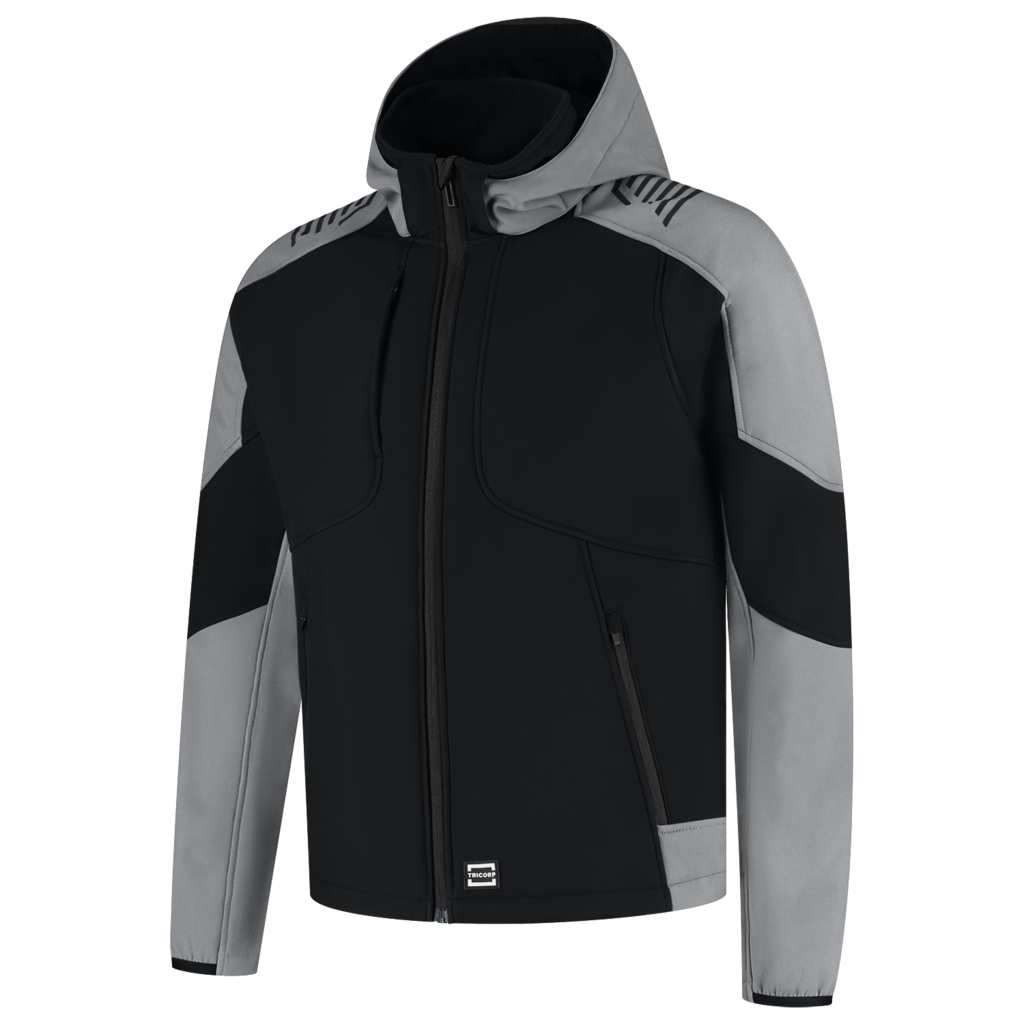
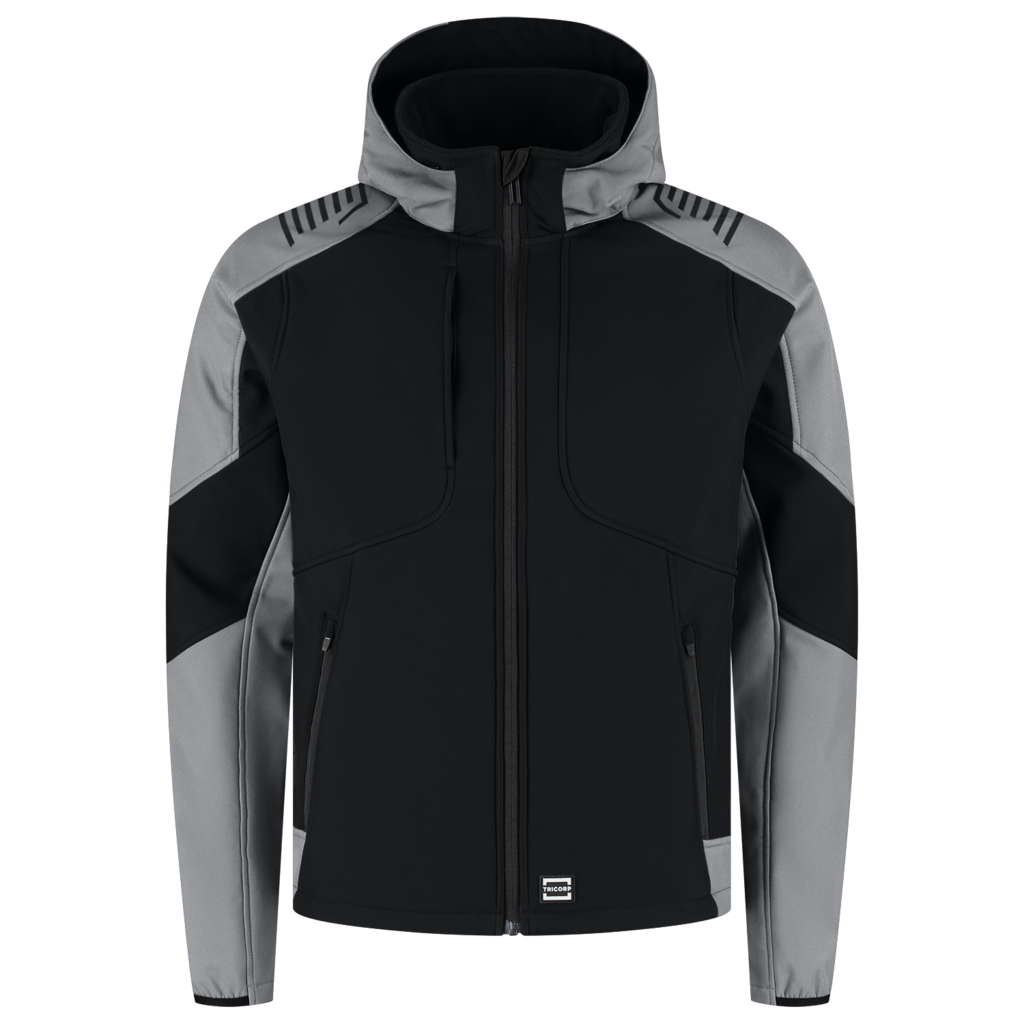
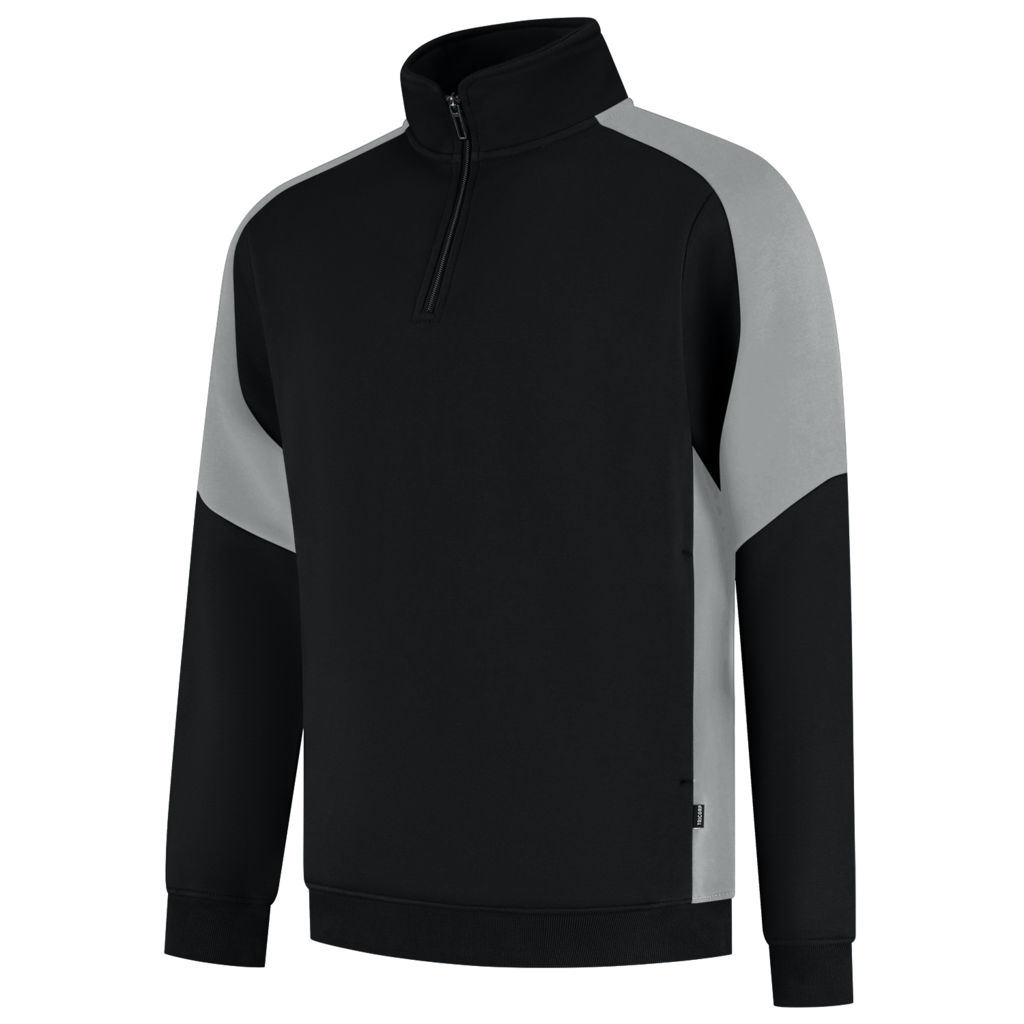
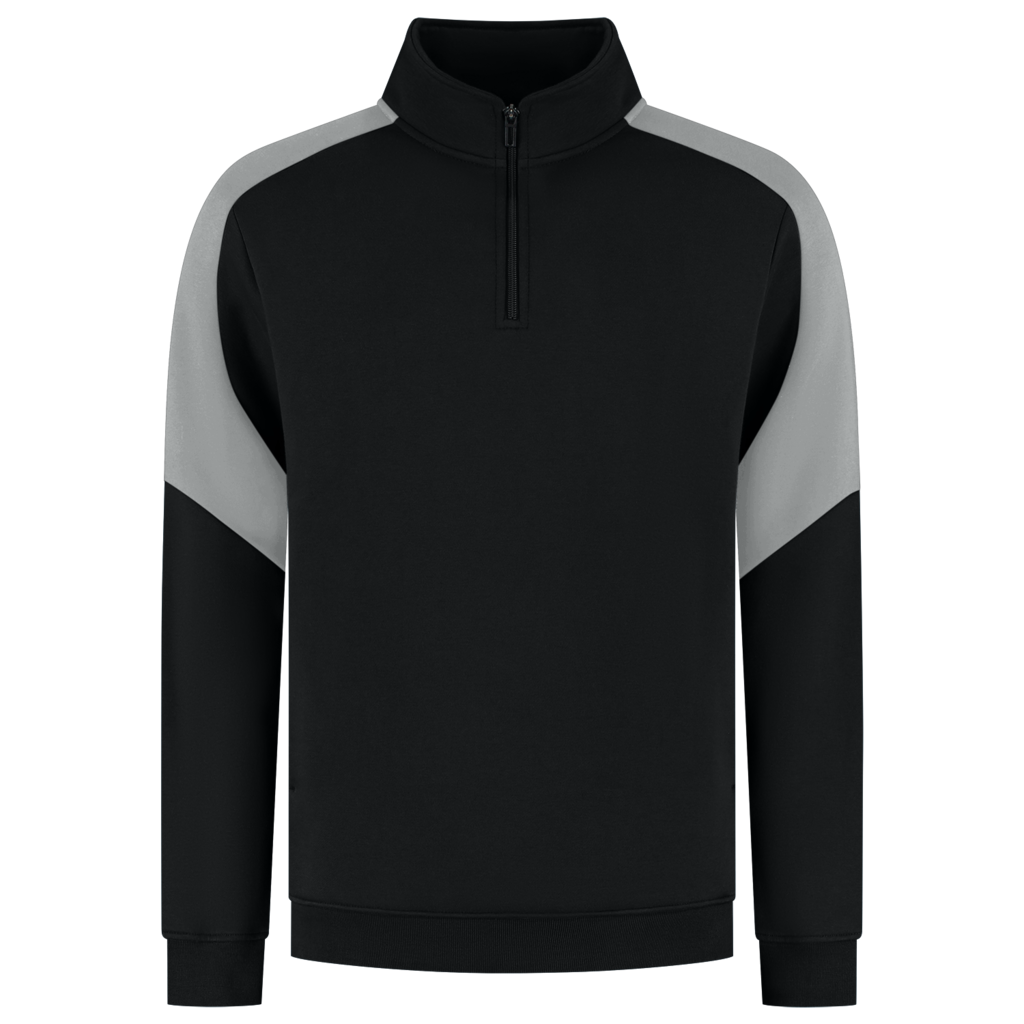
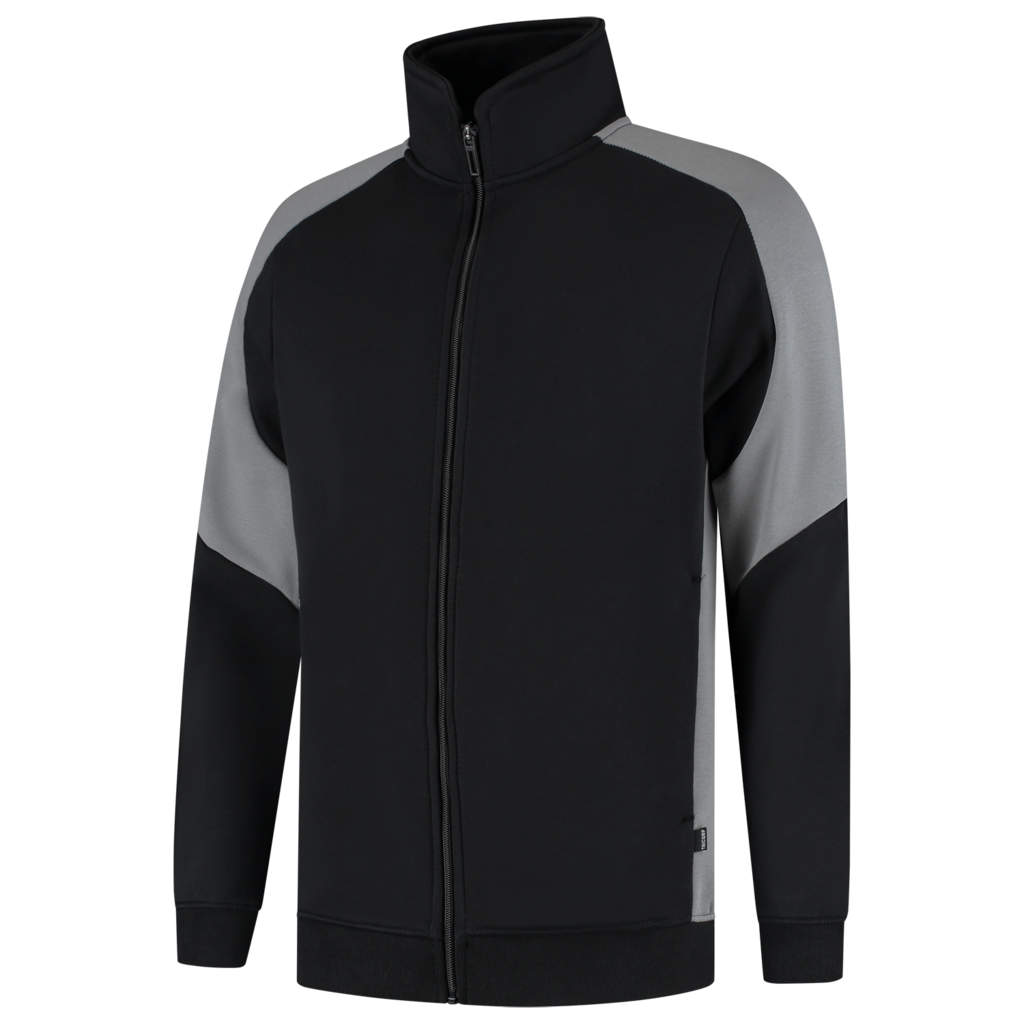
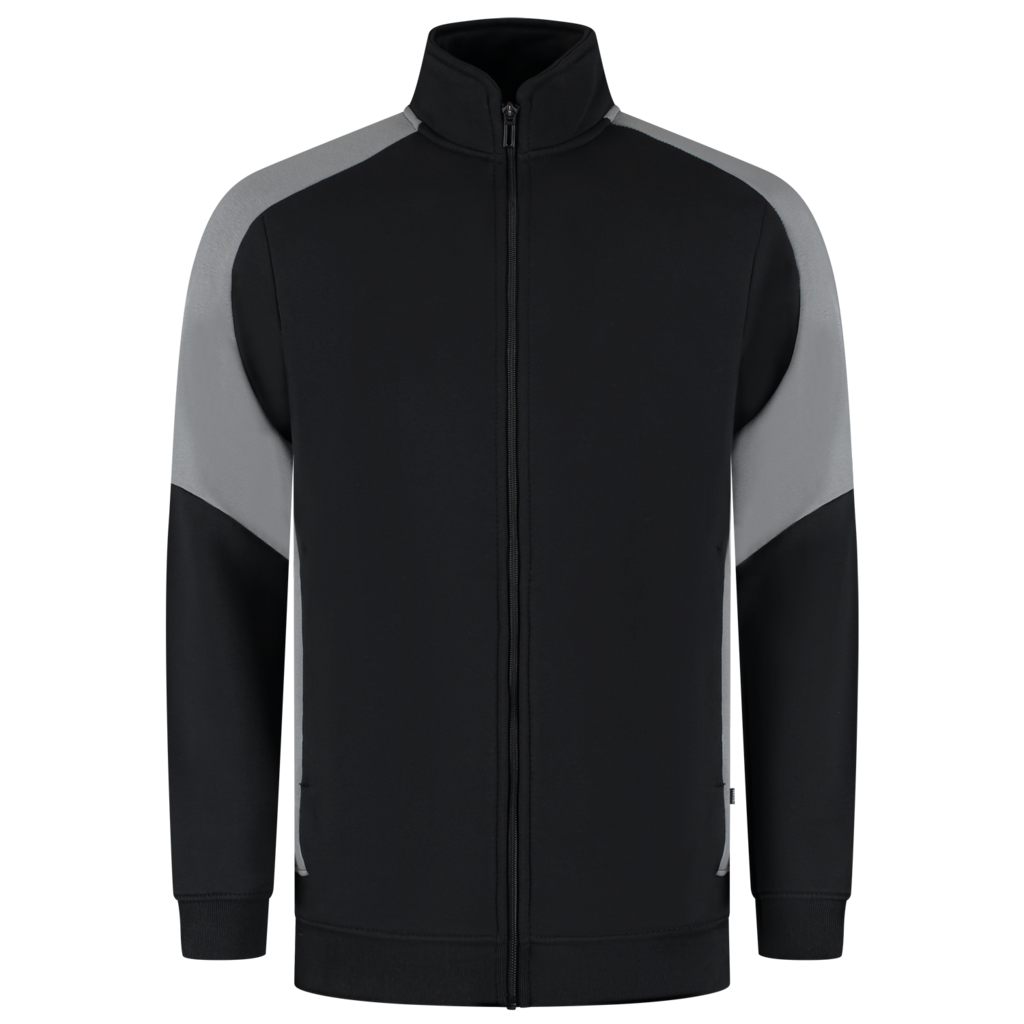
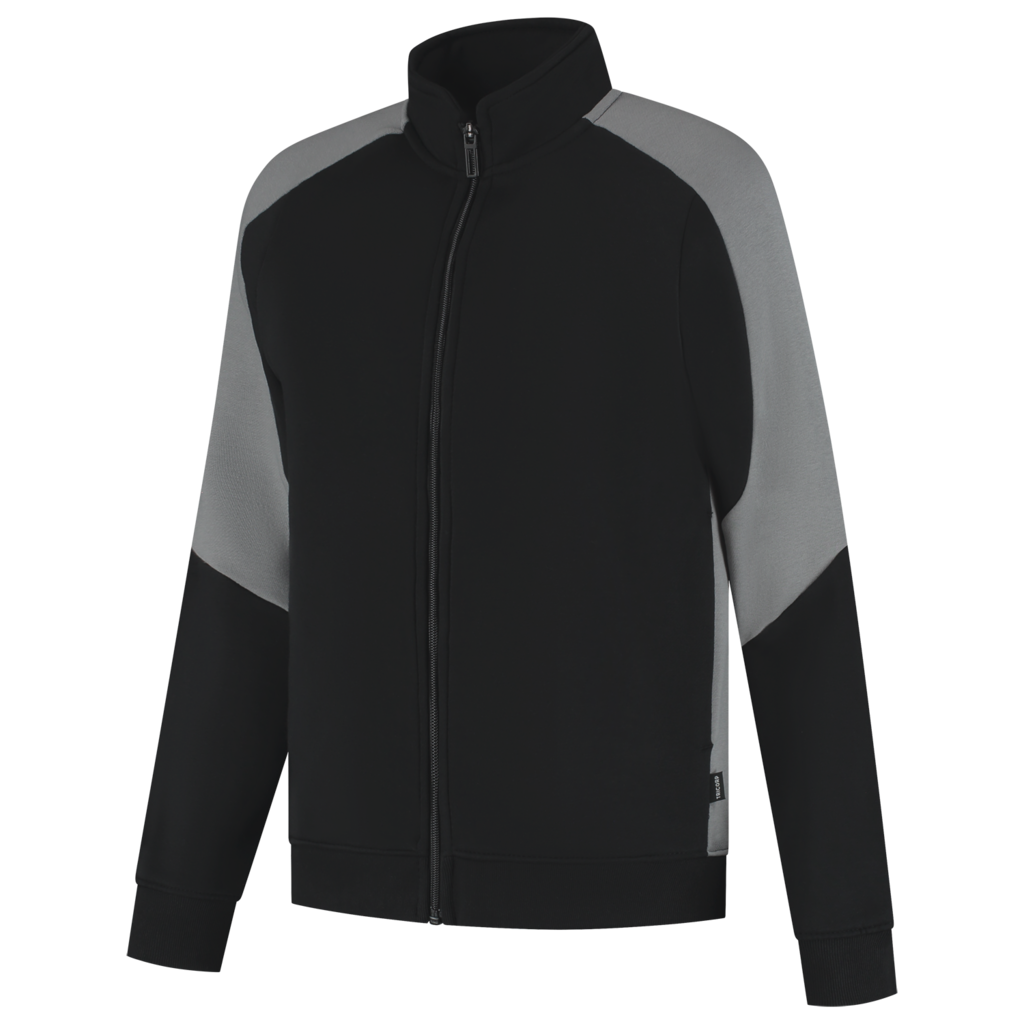
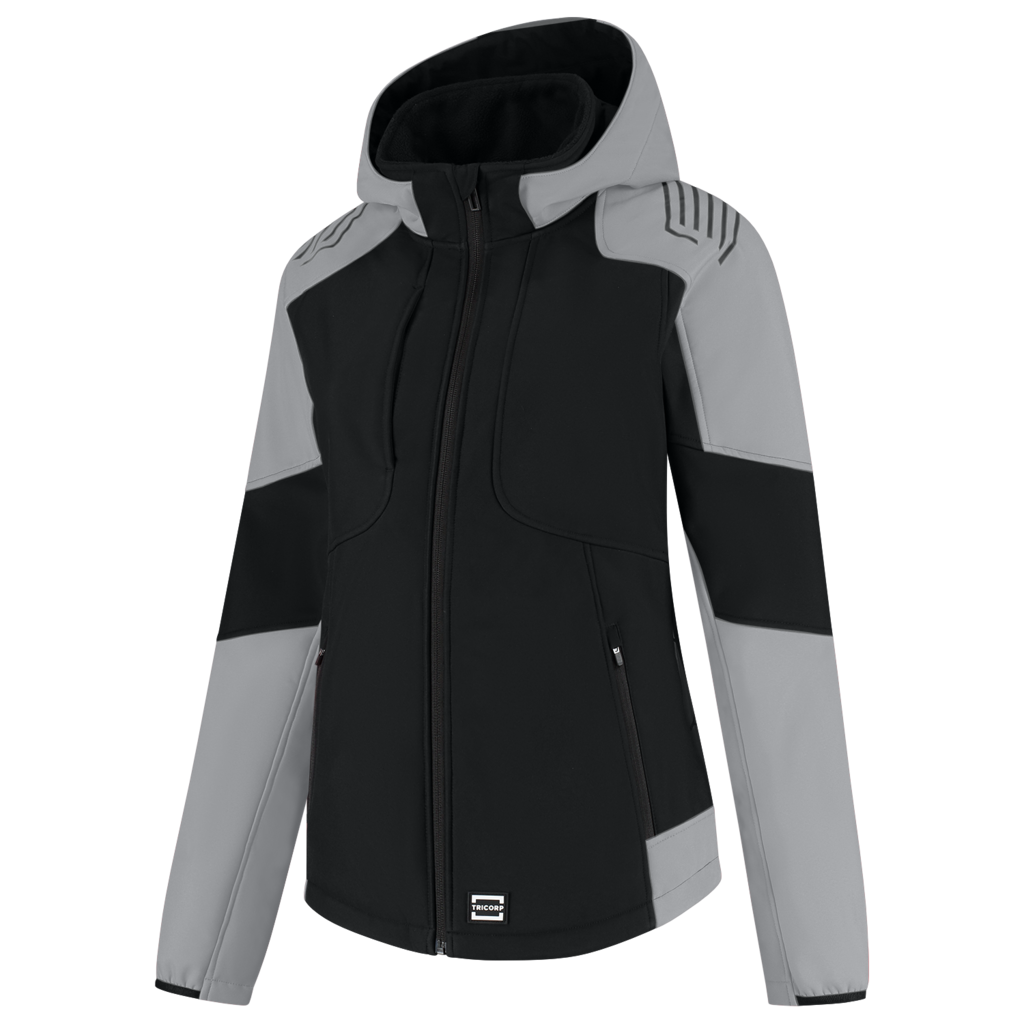
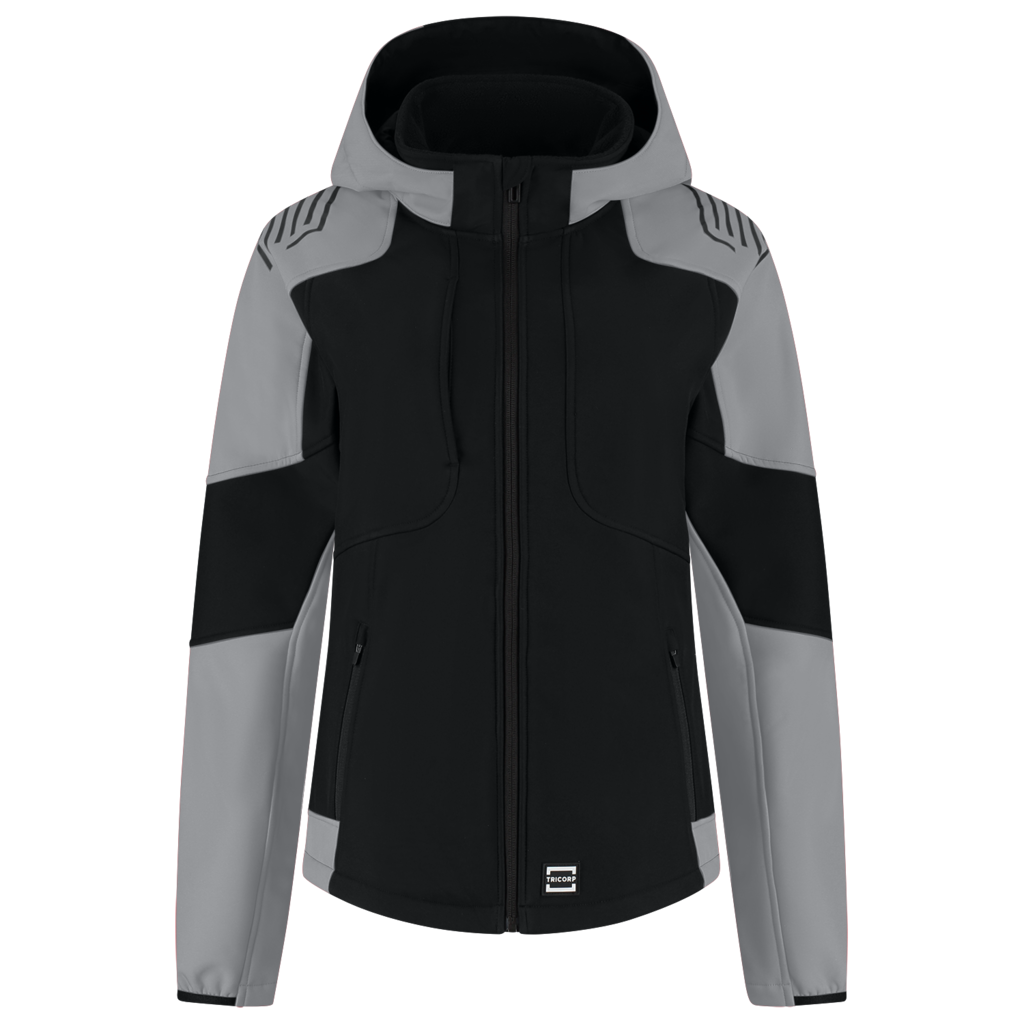
For outdoor work in autumn and winter, heavier work clothing is necessary. Softshells, fleeces and lined jackets are considerably heavier than a T-shirt, but provide the warmth and protection needed in low temperatures. The Hooded Winter Softshell Redefined Made from 100% recycled polyester, it is a heavier garment that combines wind protection, water repellency and warmth for use in the coldest months.
Heavier work clothing is also more robust and lasts longer with intensive use. For professions where clothing experiences a lot of wear and tear, a higher g/m² is usually a better investment in the long term.
The layering principle: smart combinations
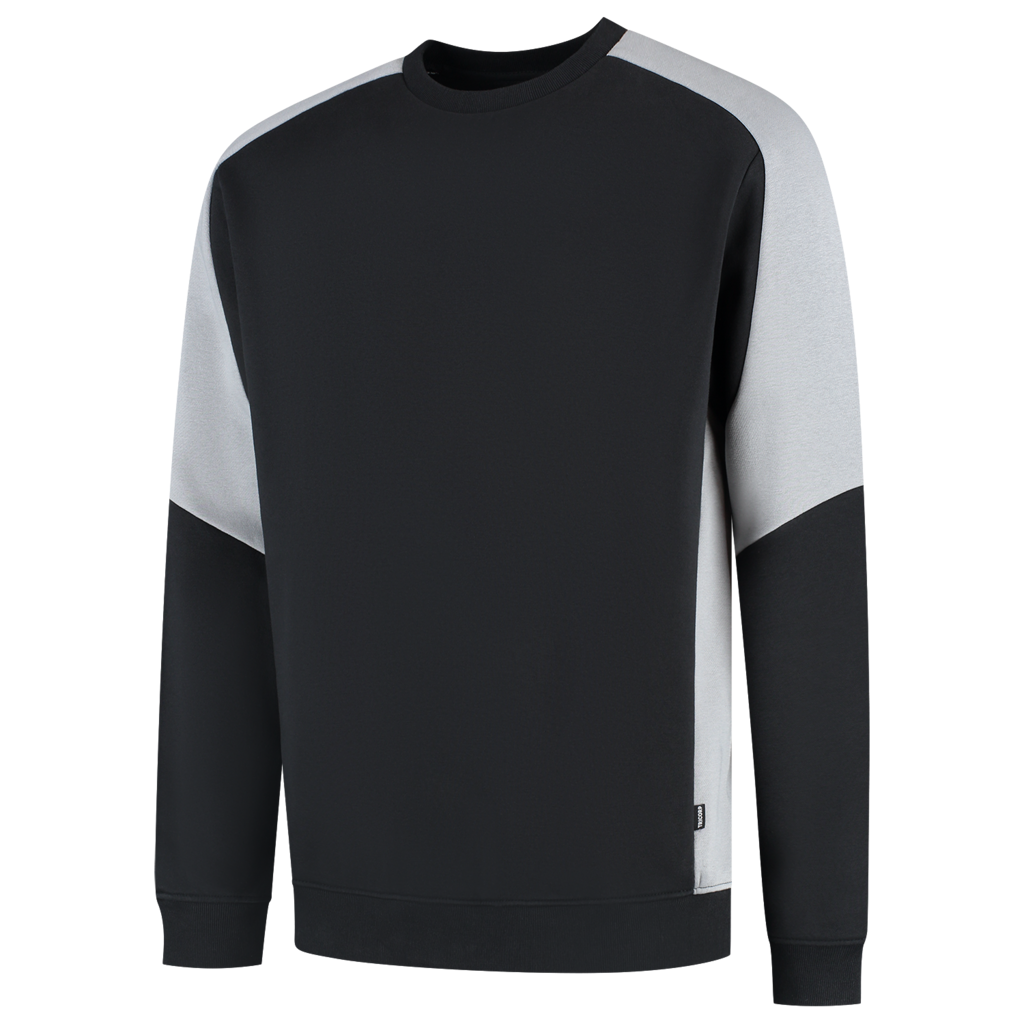
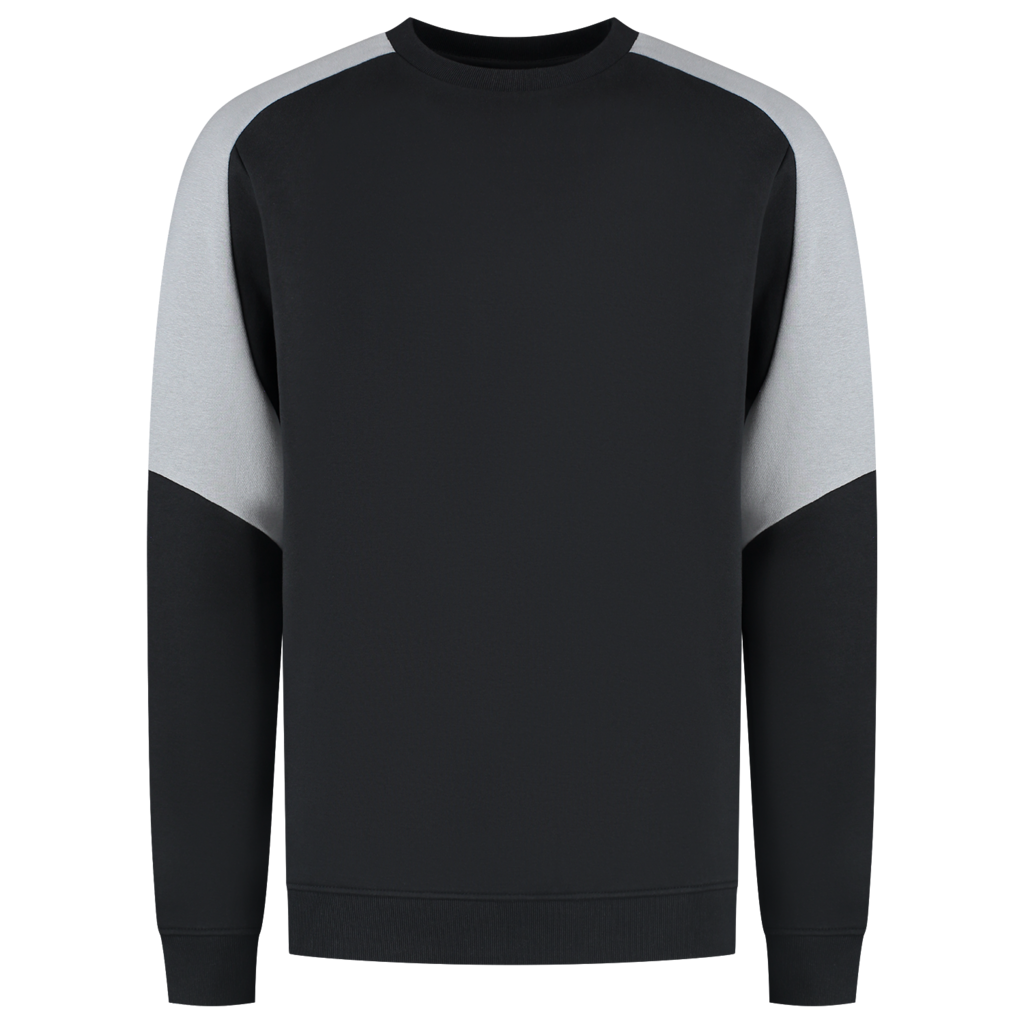
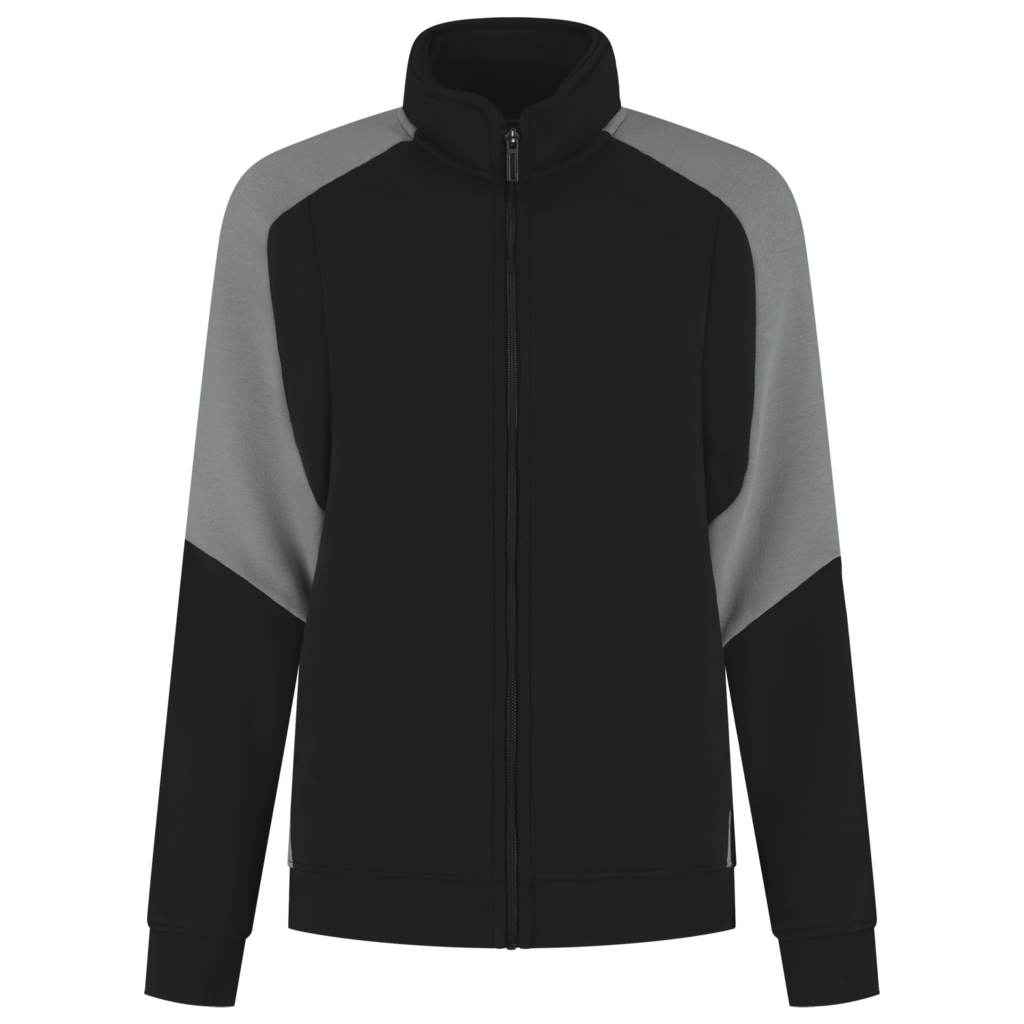
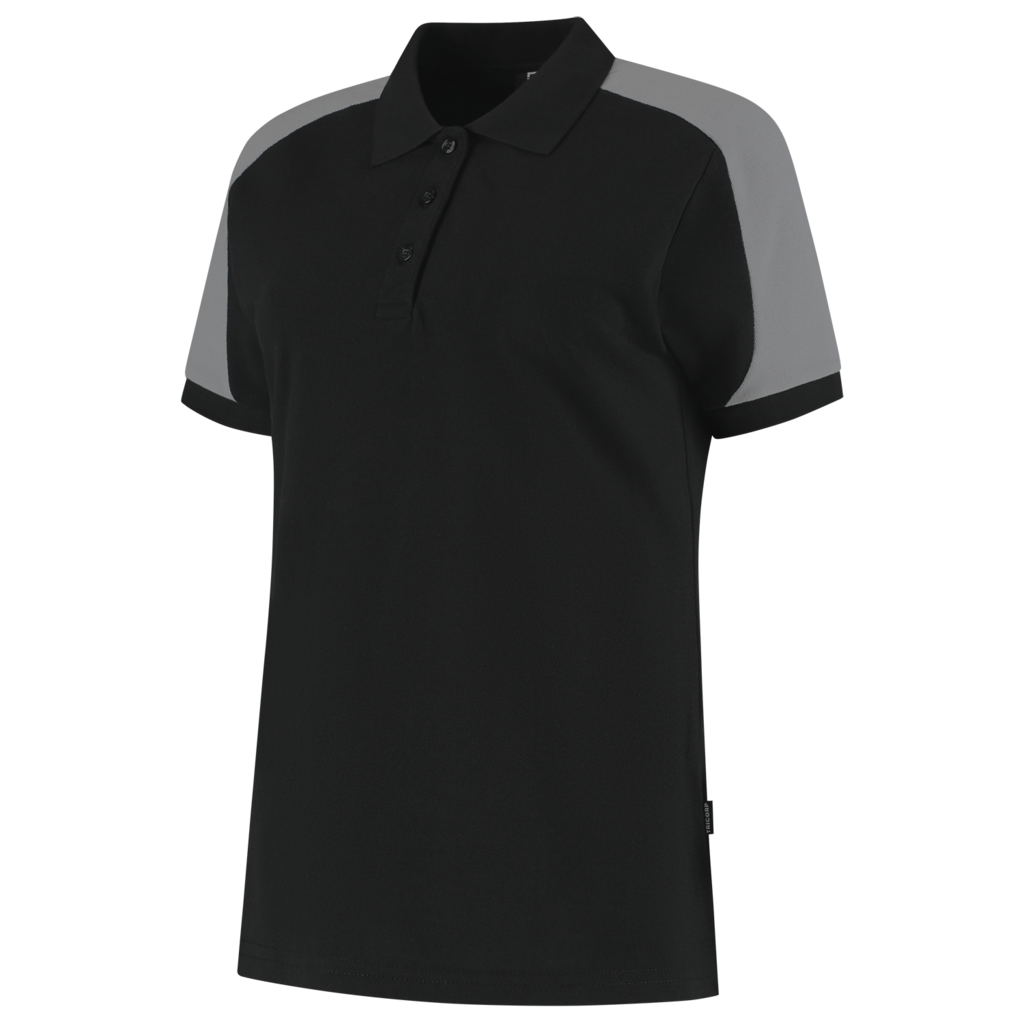
The smartest approach for changing circumstances is the layering principle. Wear a light T-shirt or polo shirt as a base layer, a sweater or fleece as a midlayer and a waterproof jacket as an outer layer. This way you can easily add or remove layers as temperatures and working conditions change. This system is more flexible than one heavy jacket and provides more control over body temperature during work.