




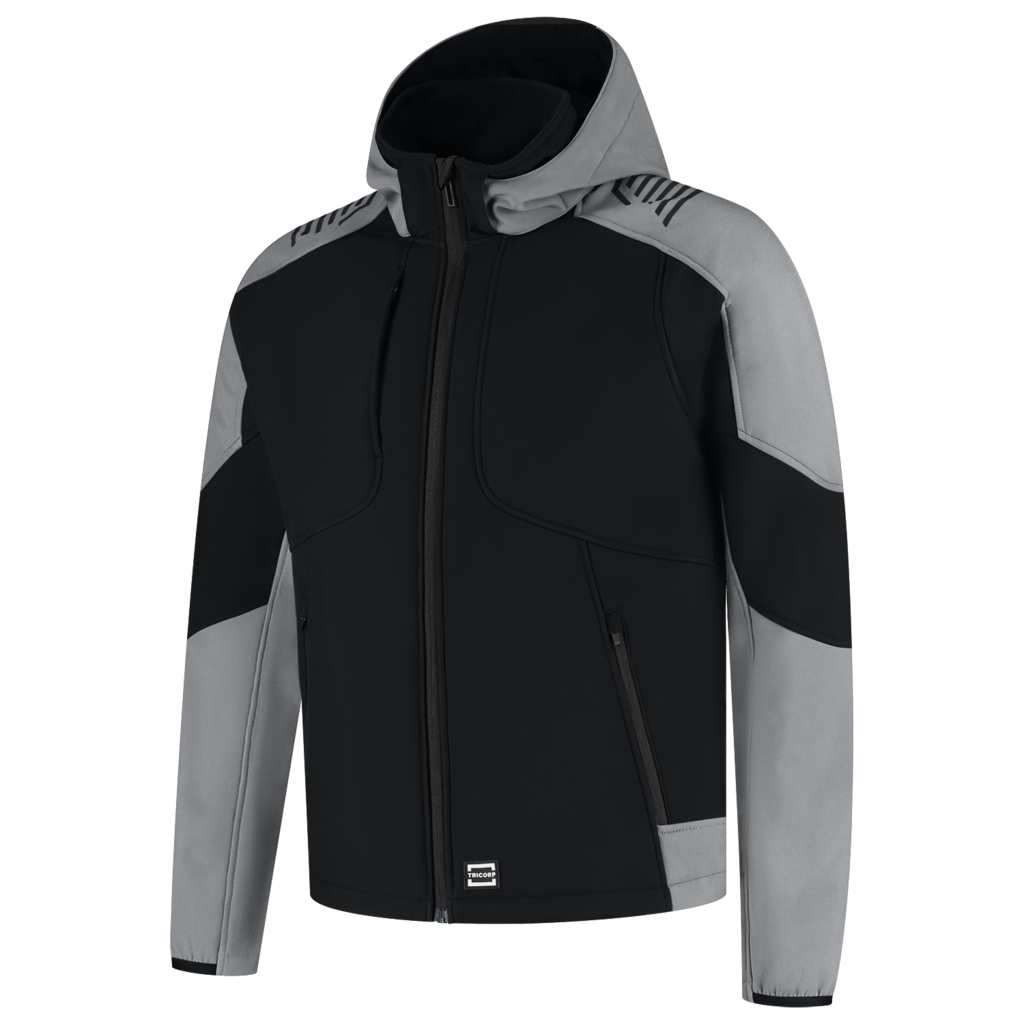
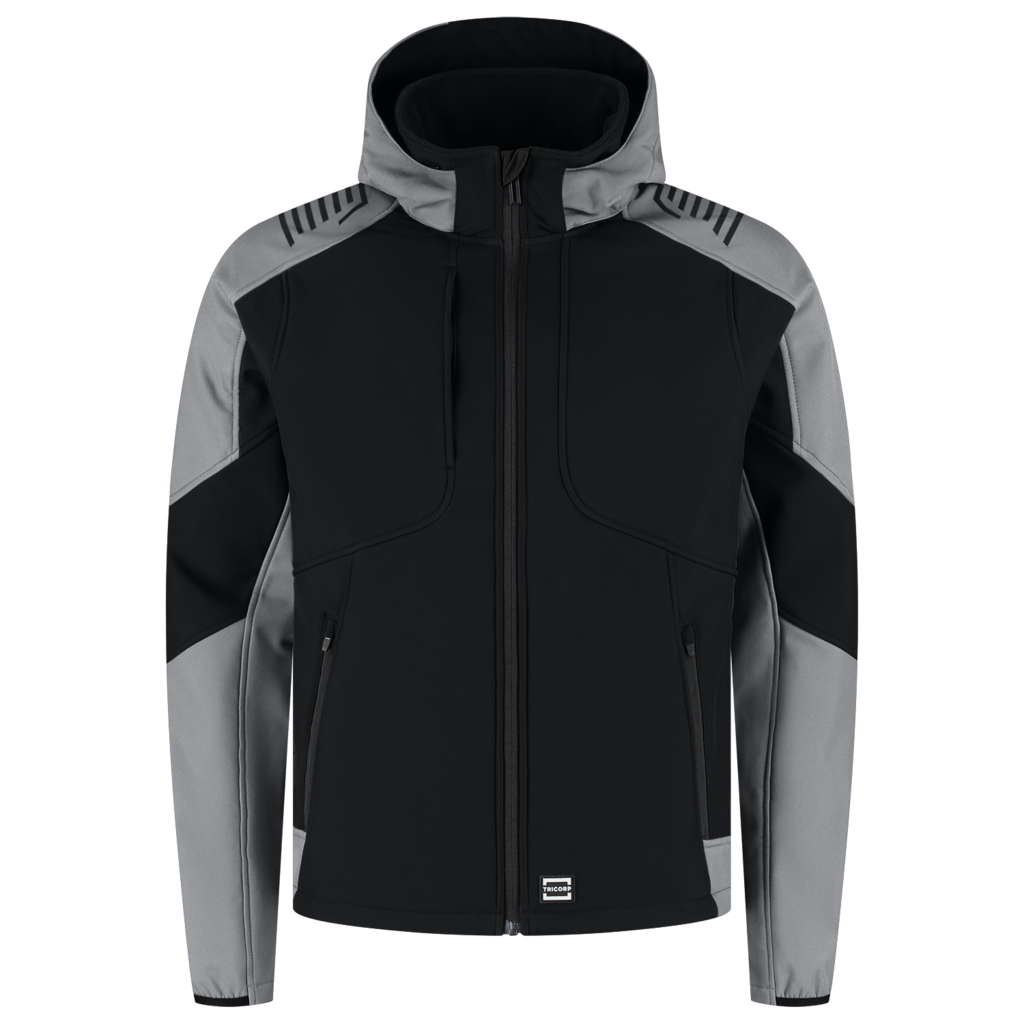
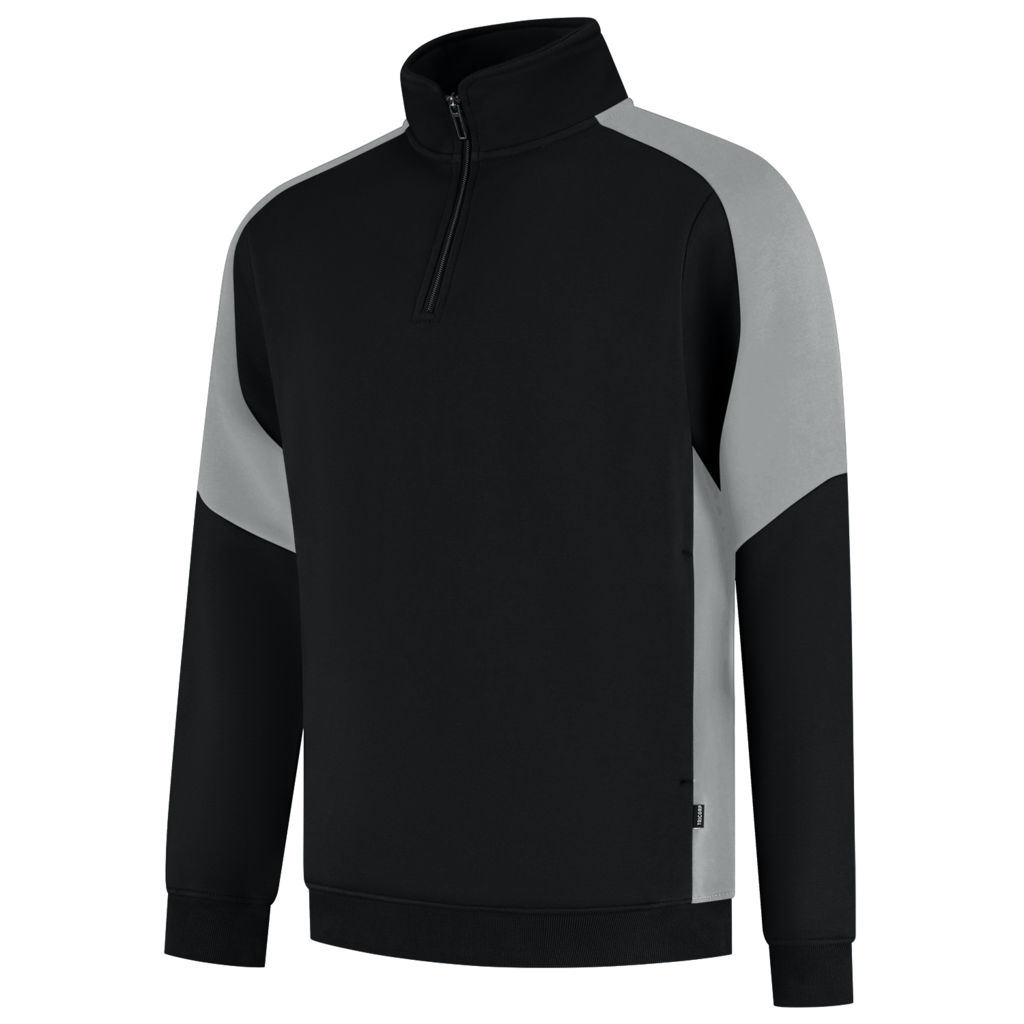
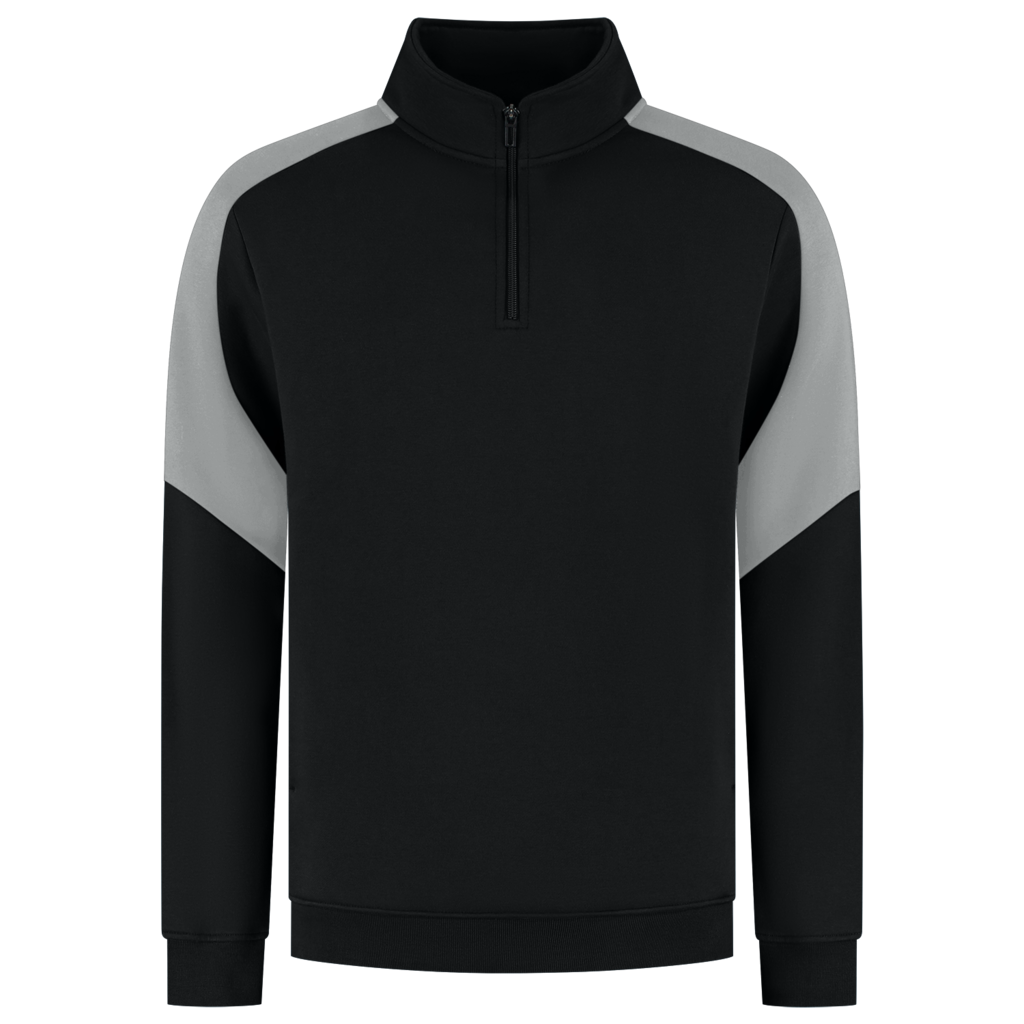
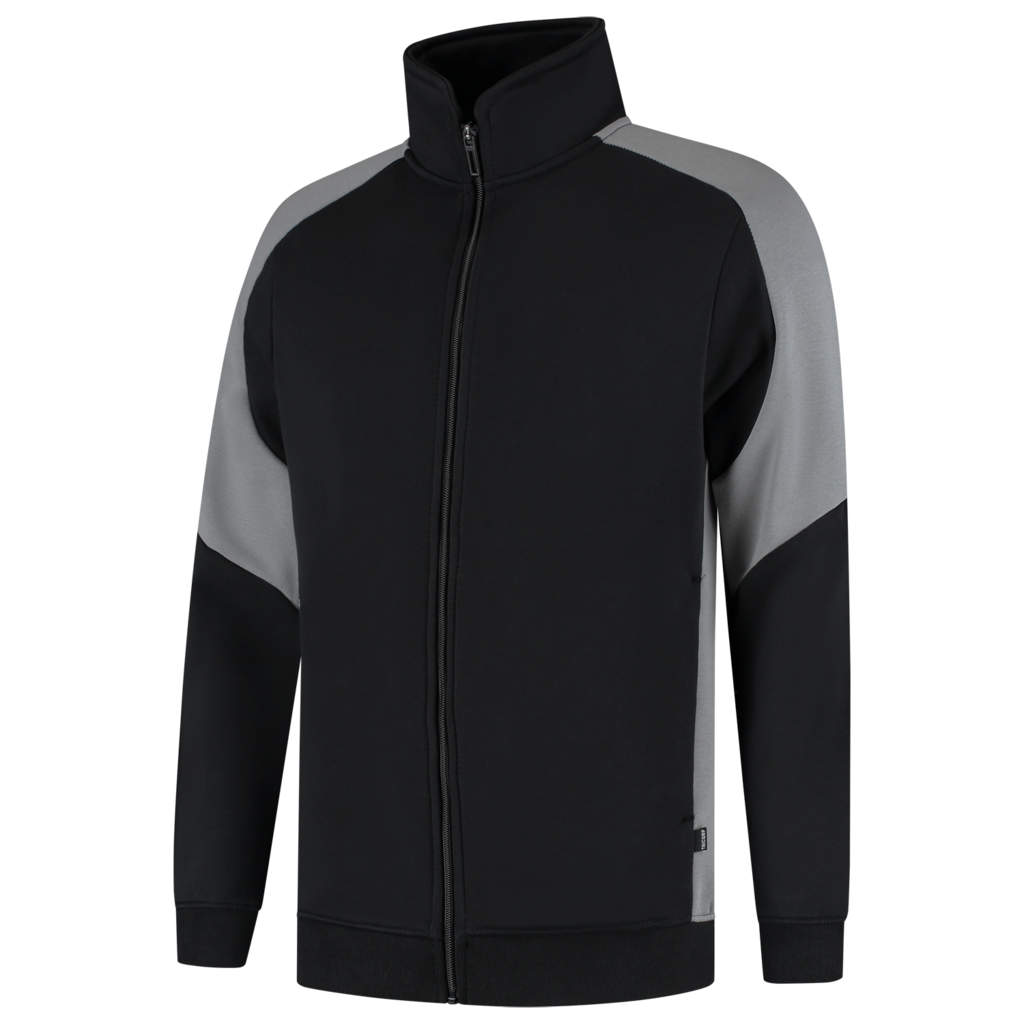
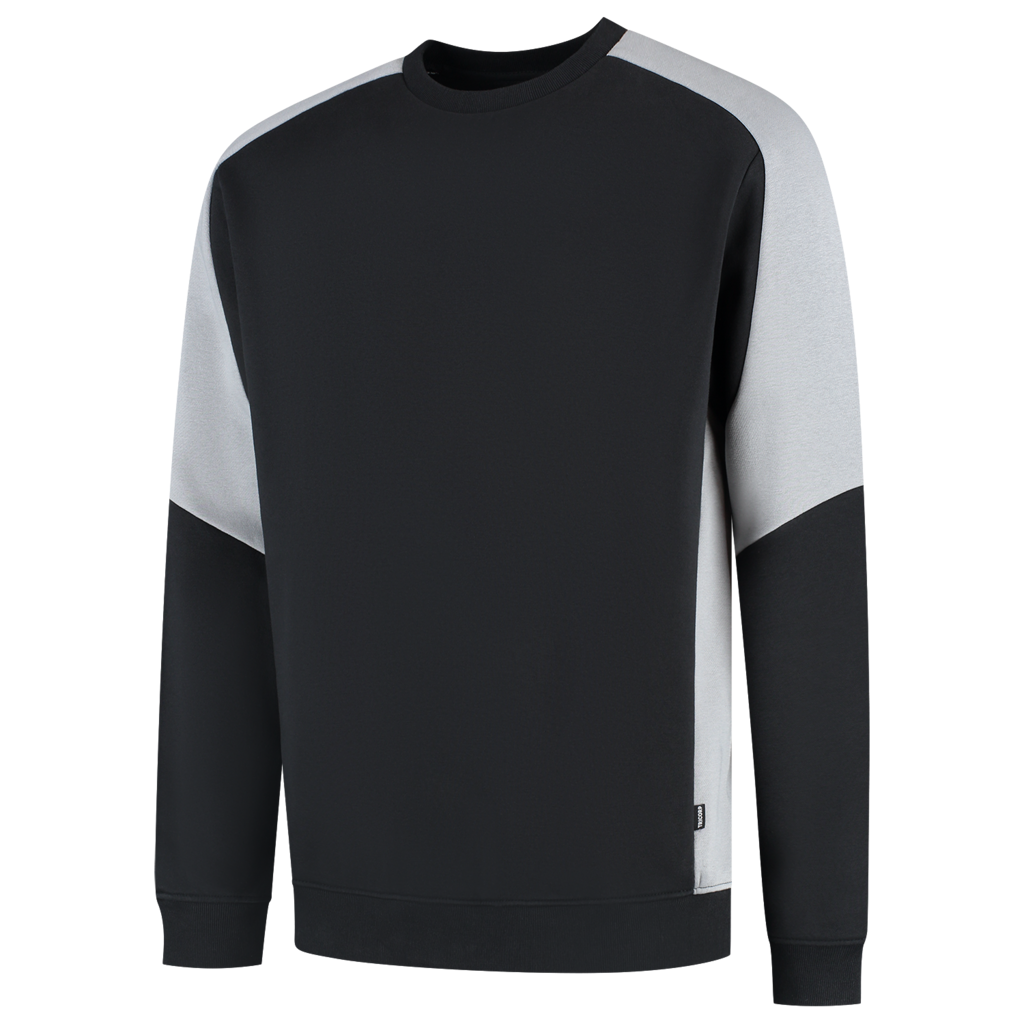
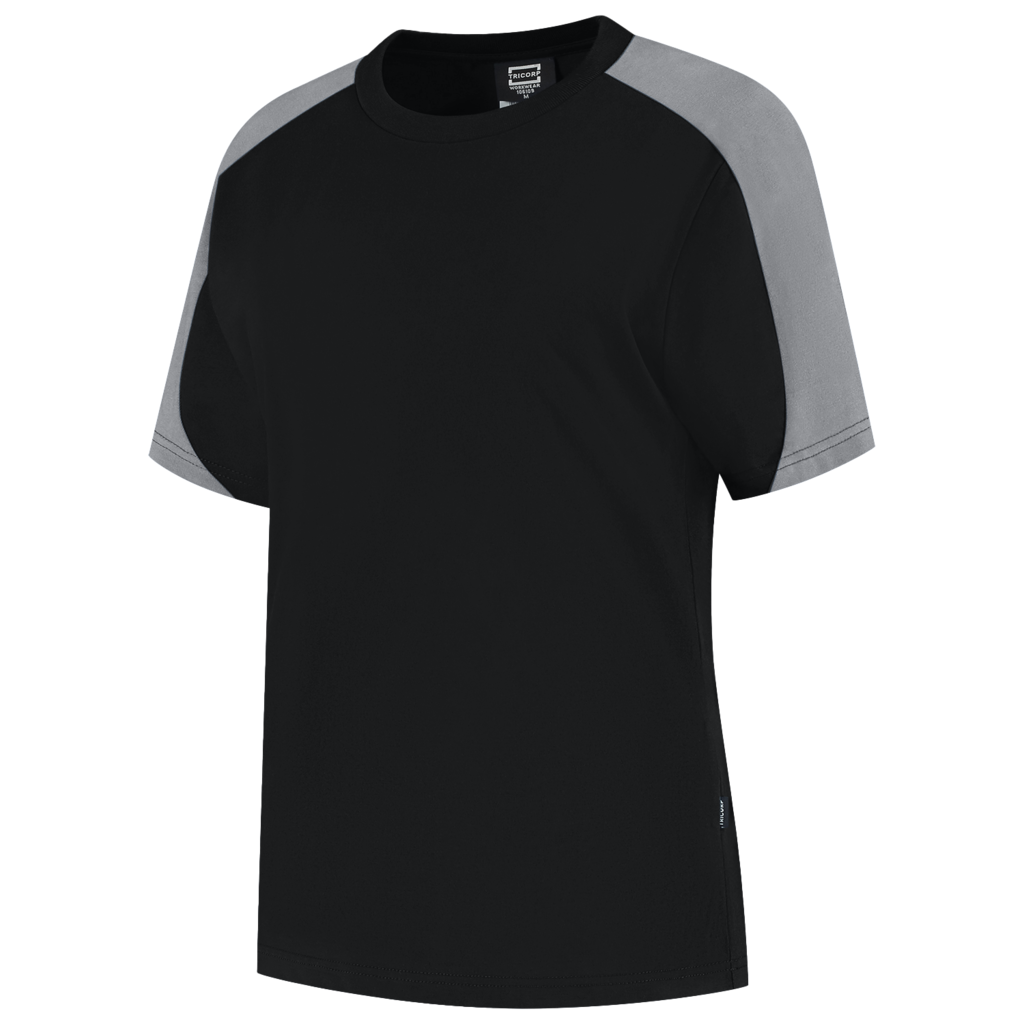
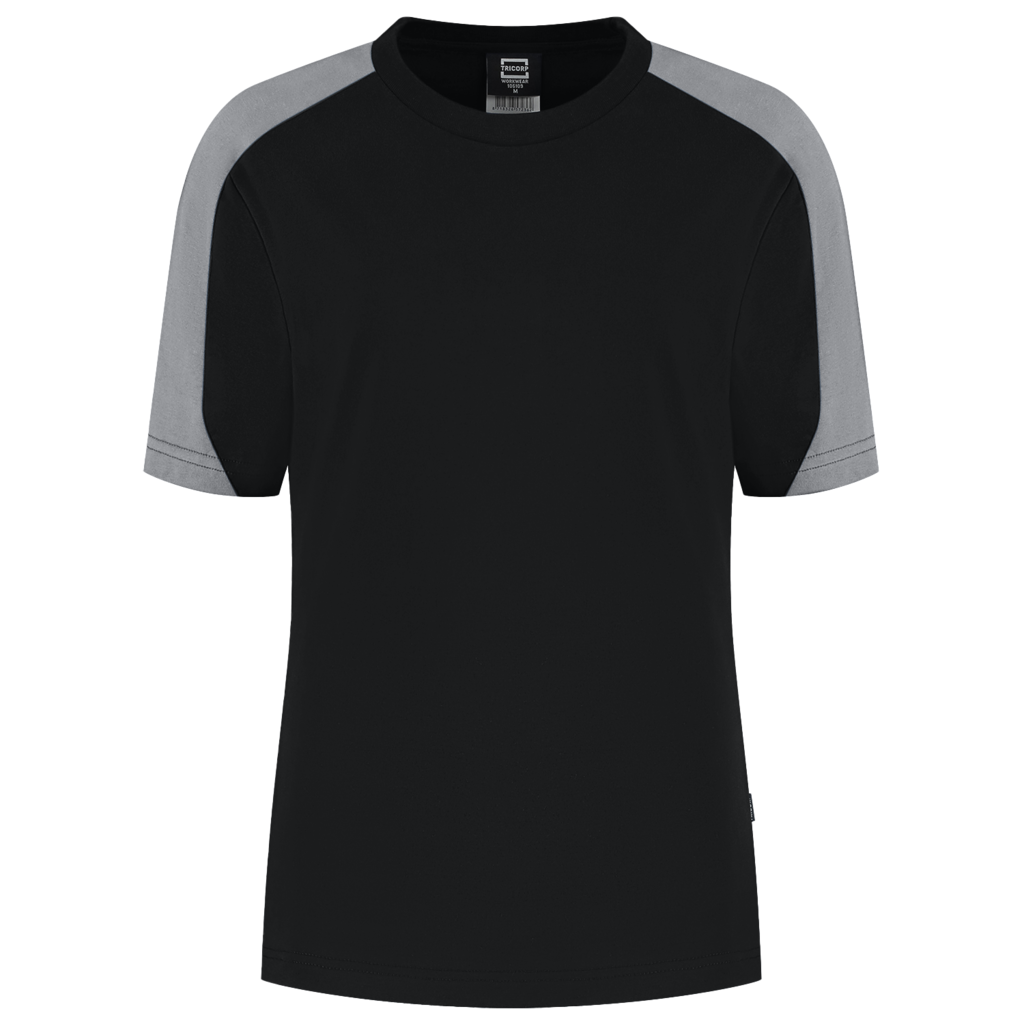
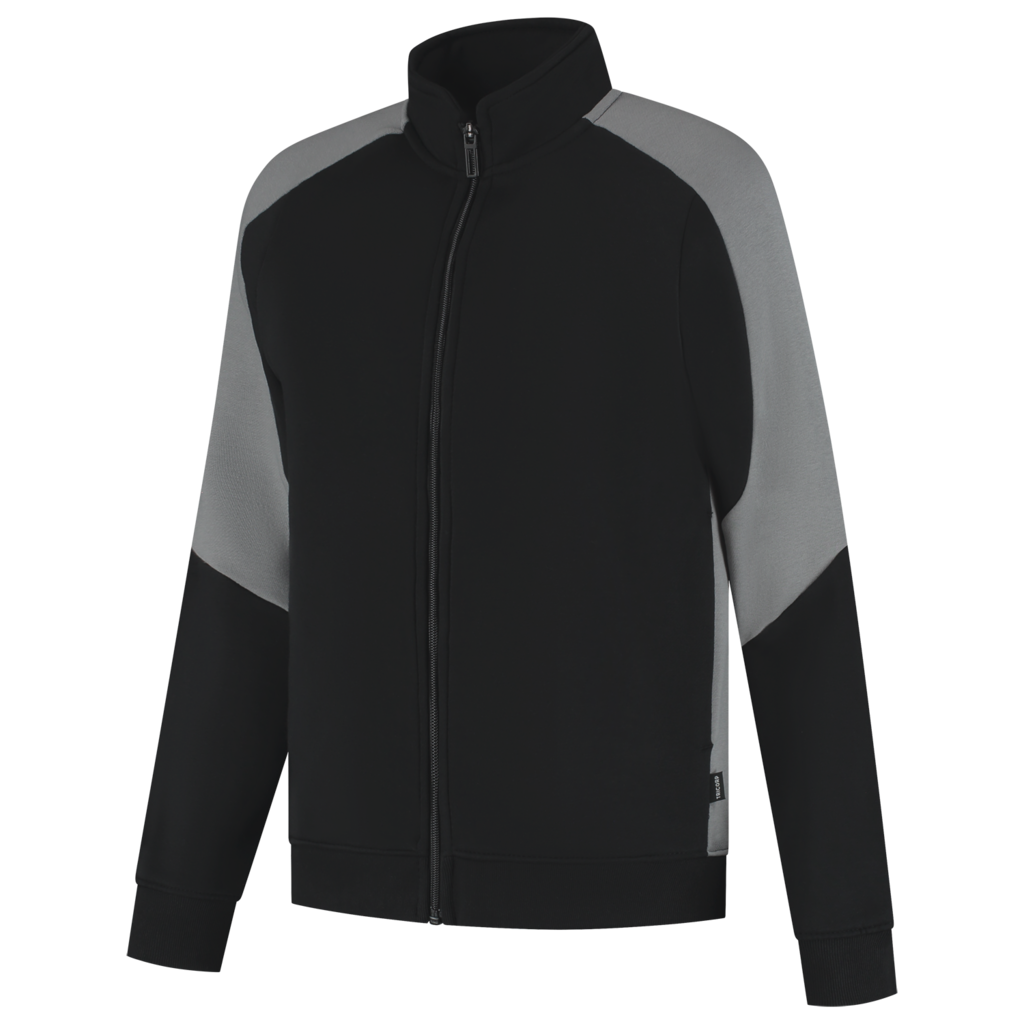
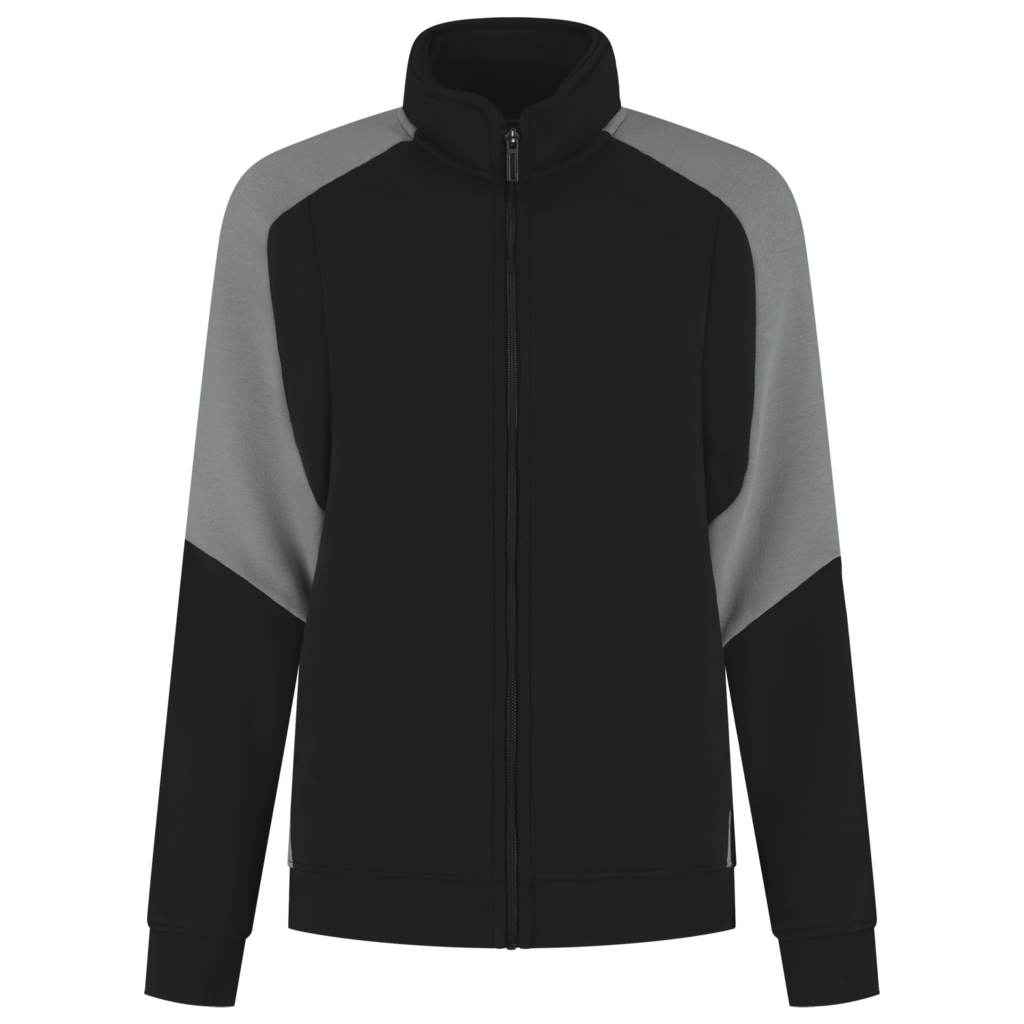
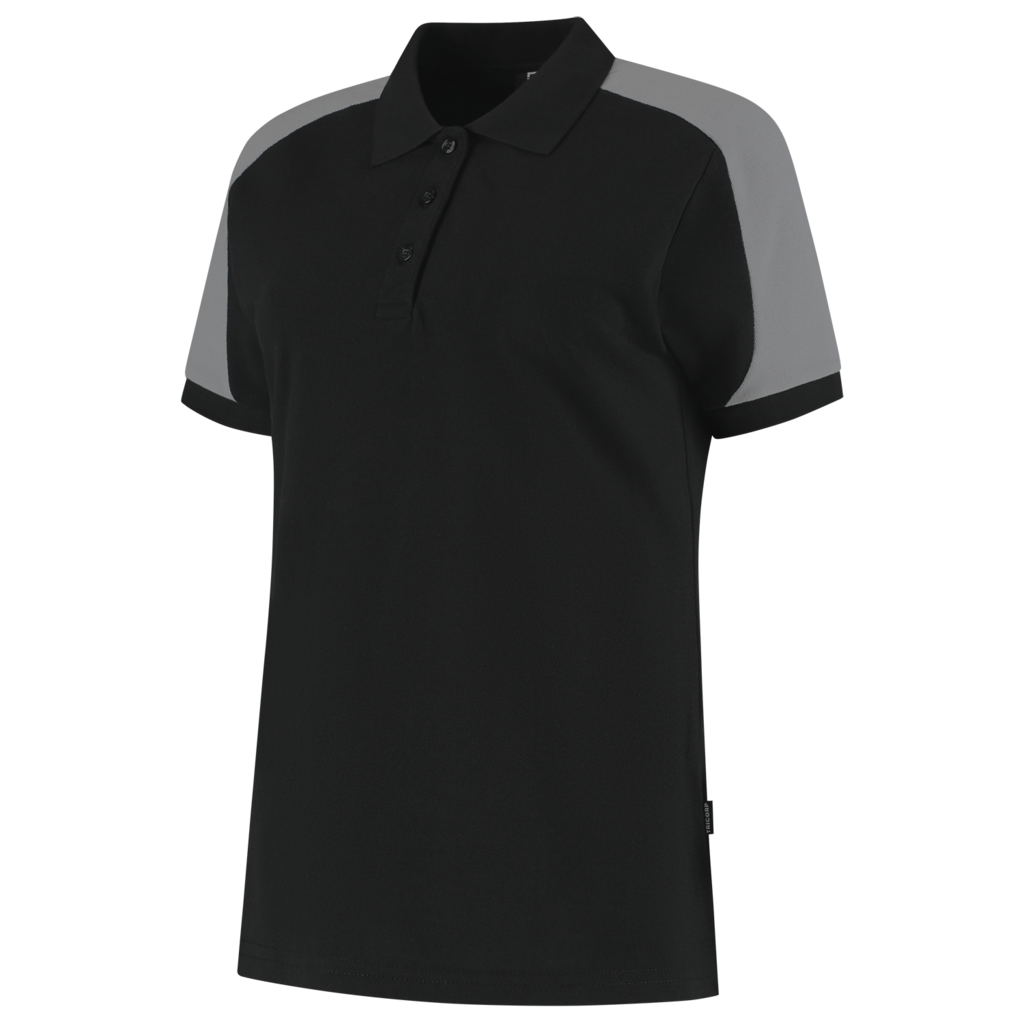
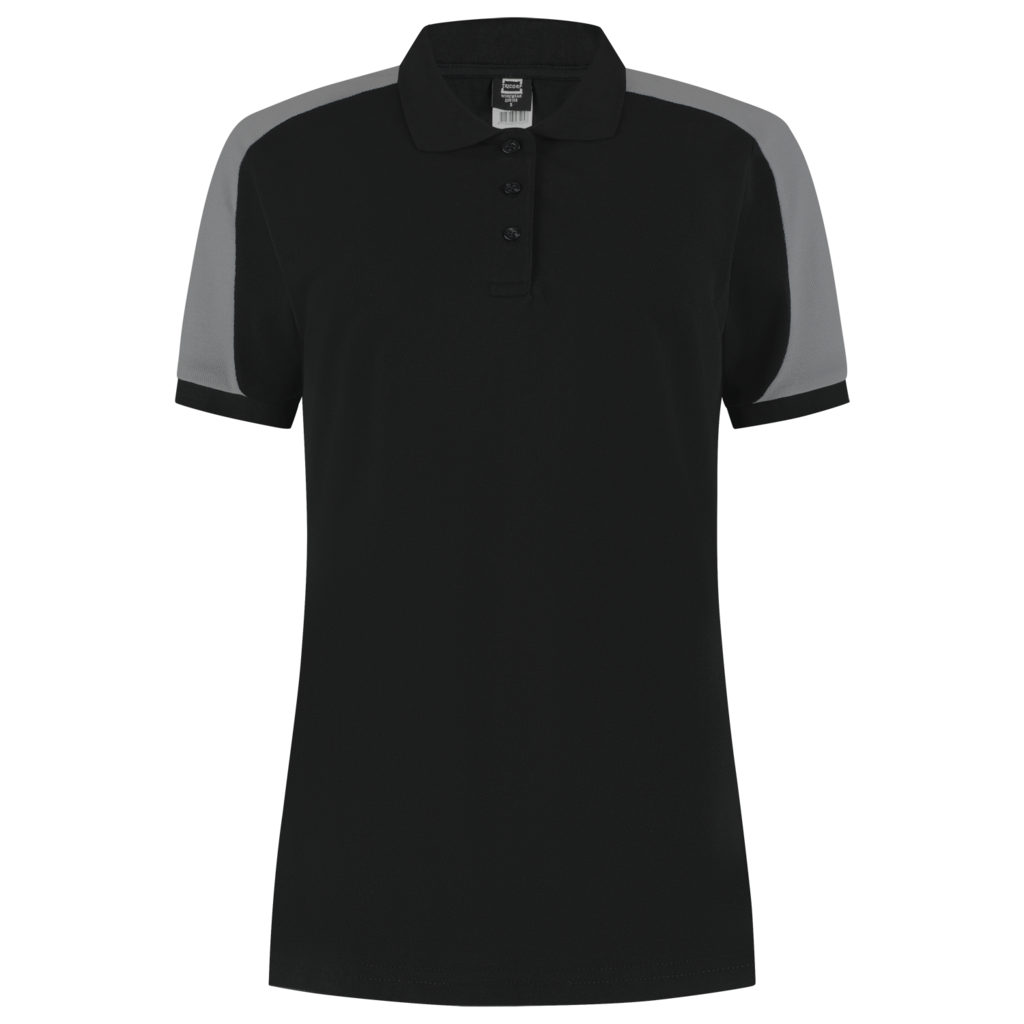
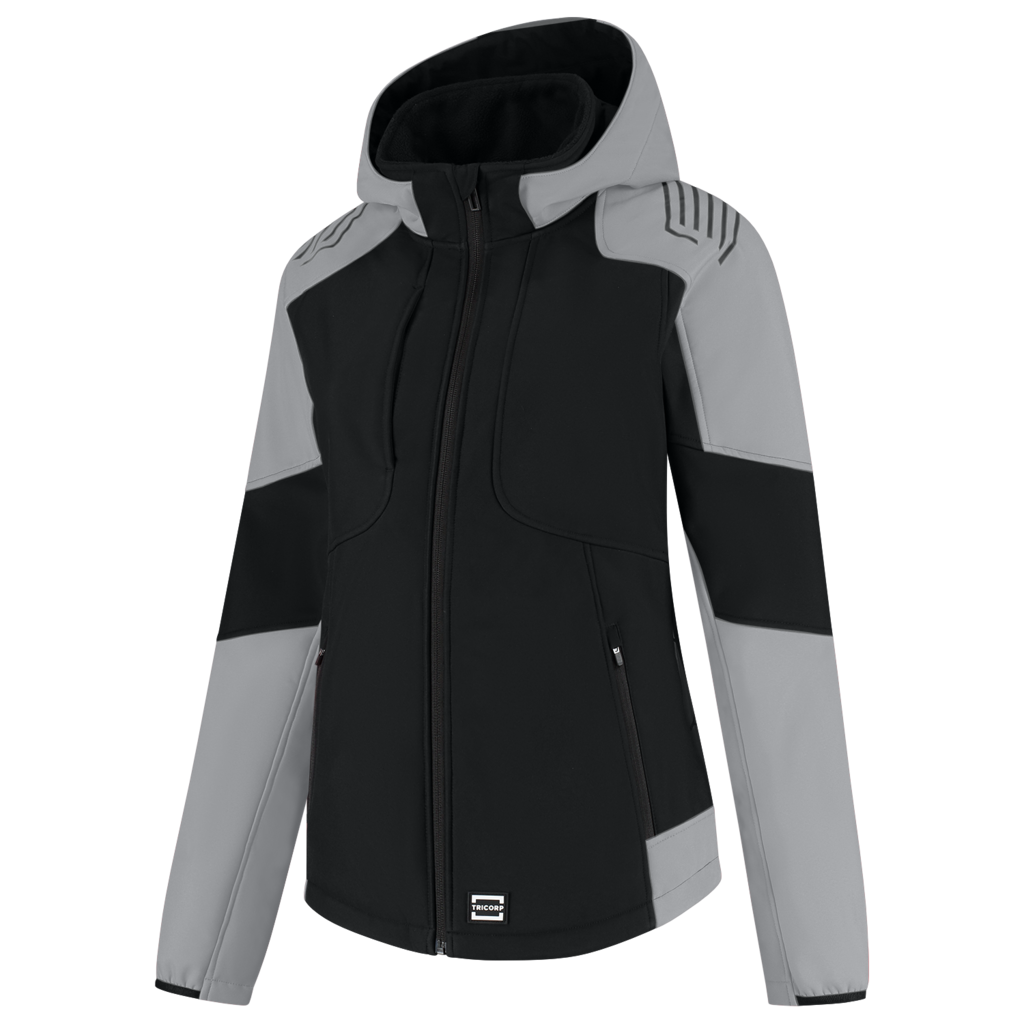
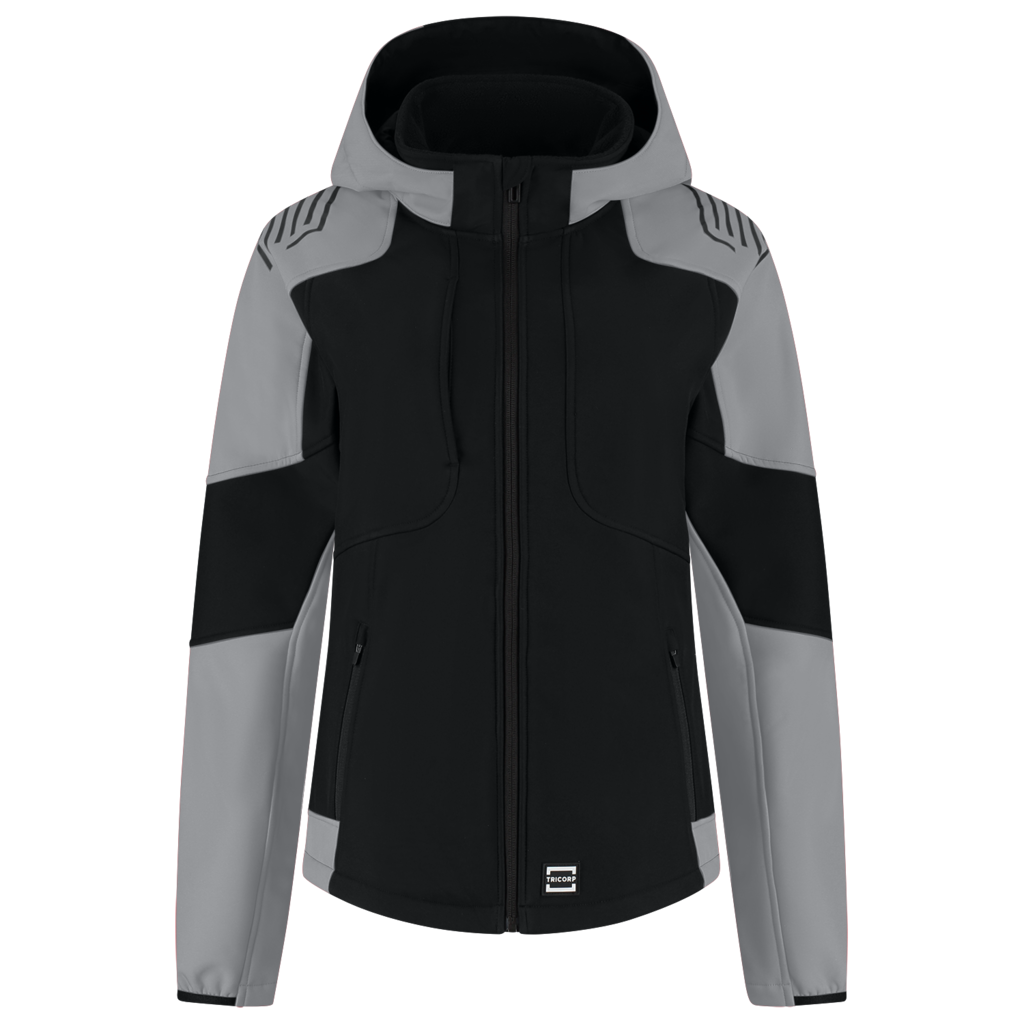
EN 14058: protection against cool conditions
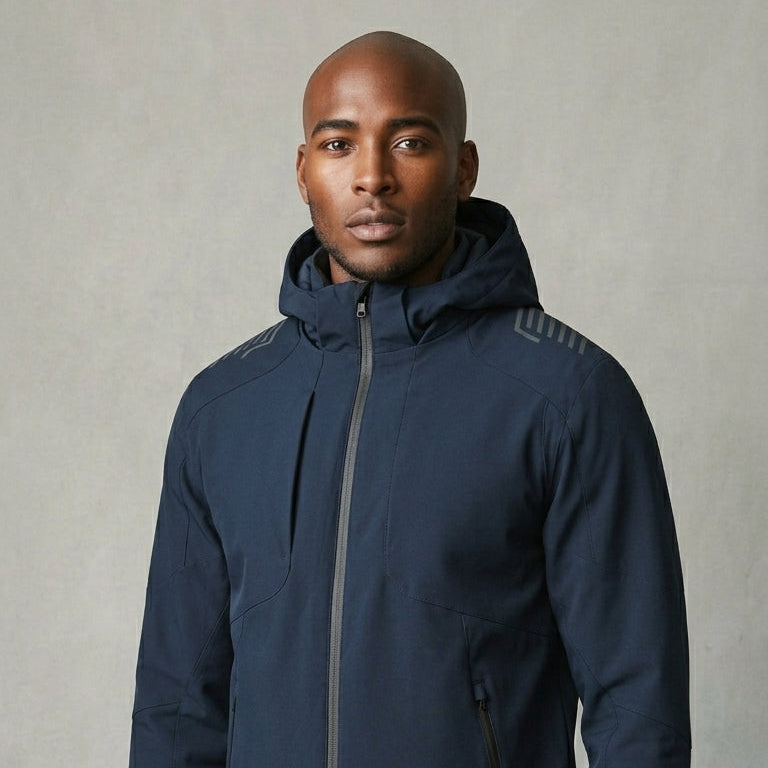
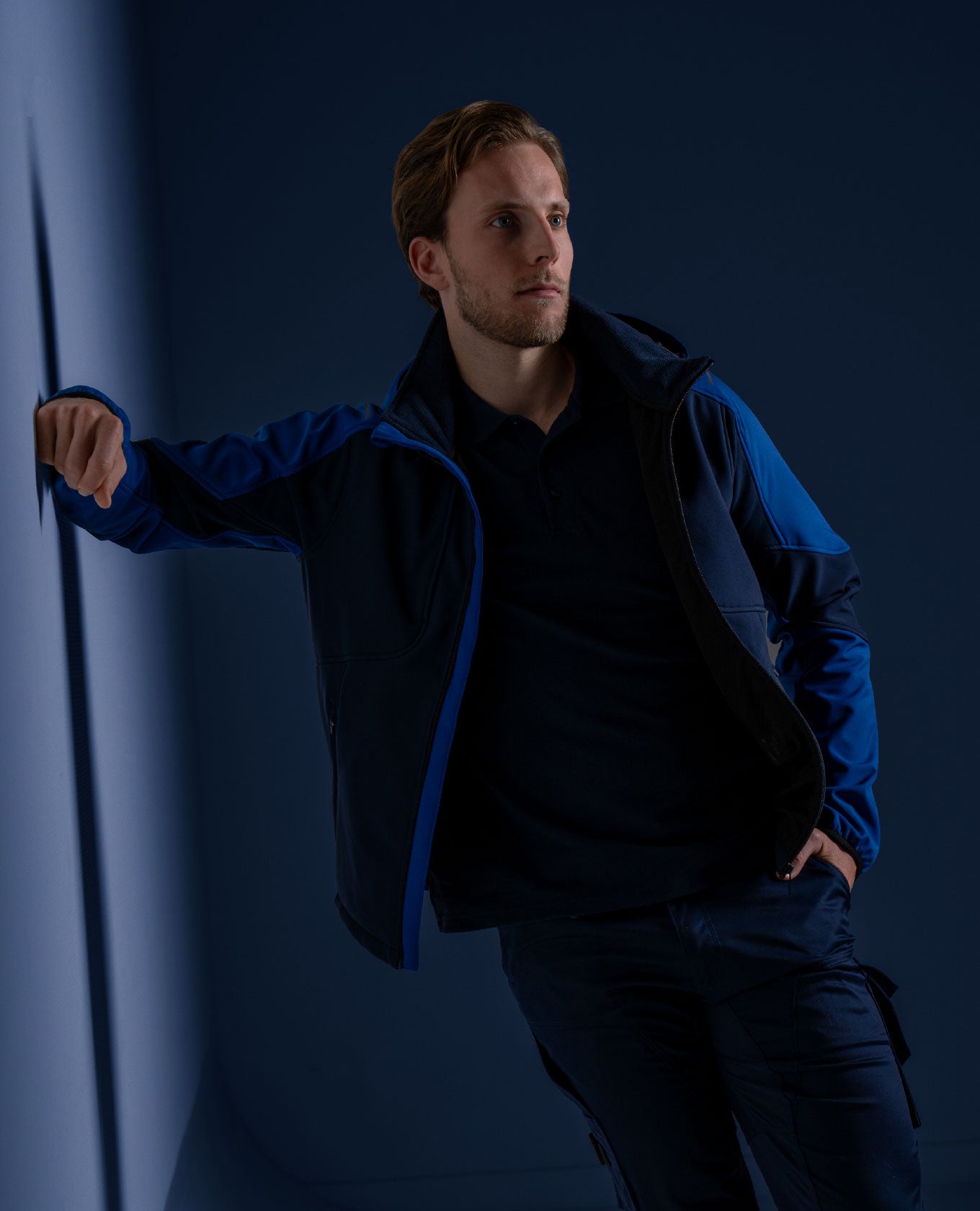
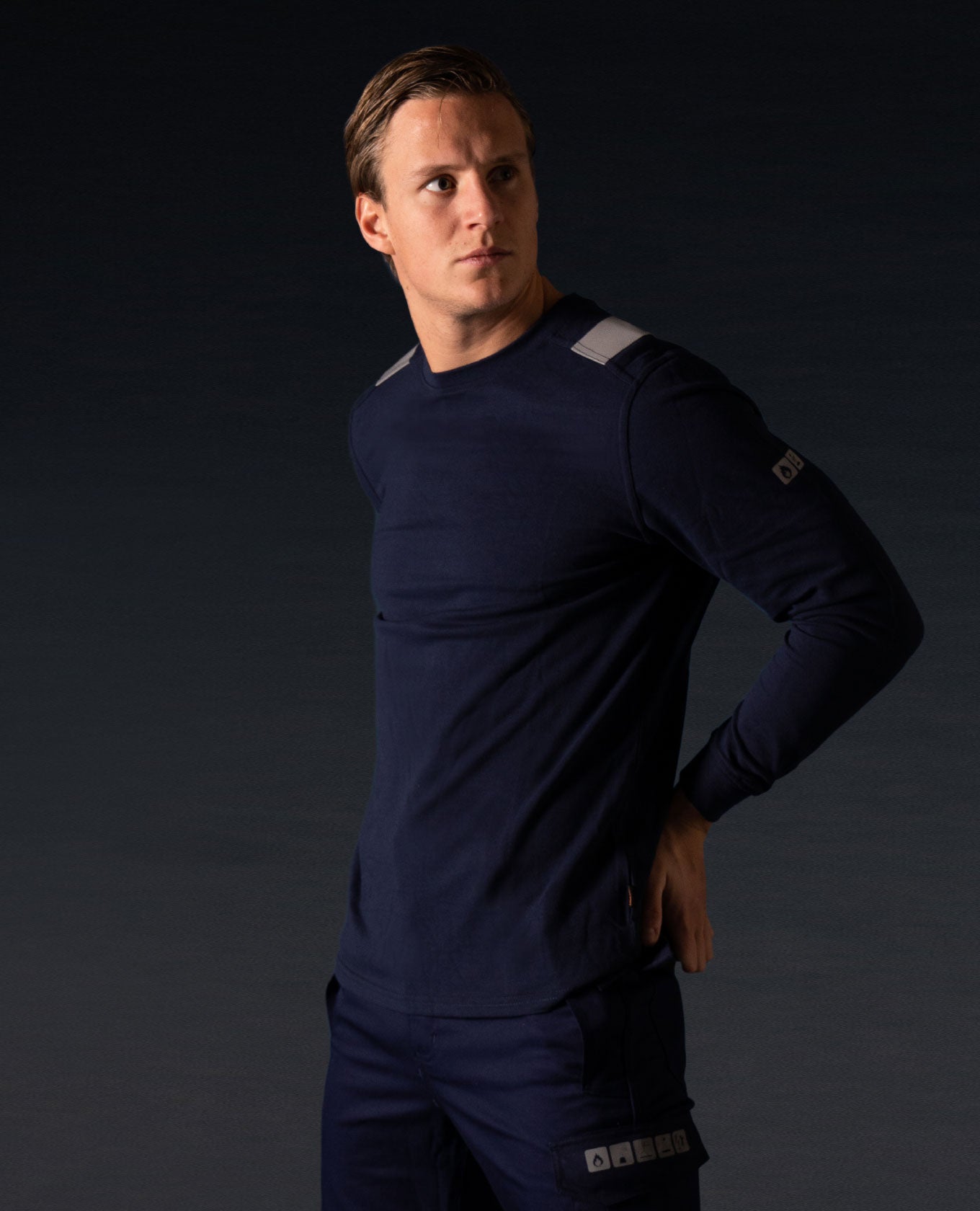
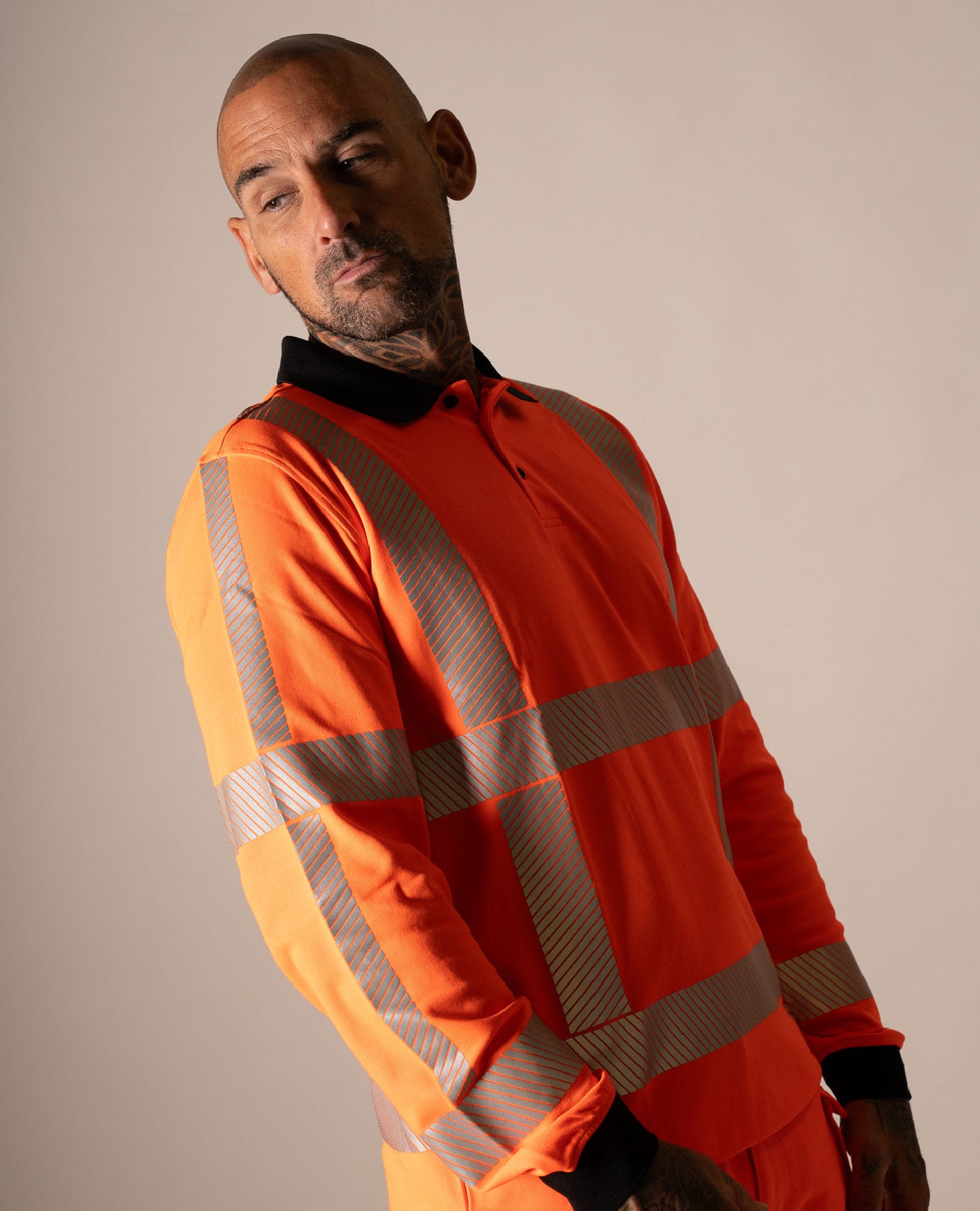
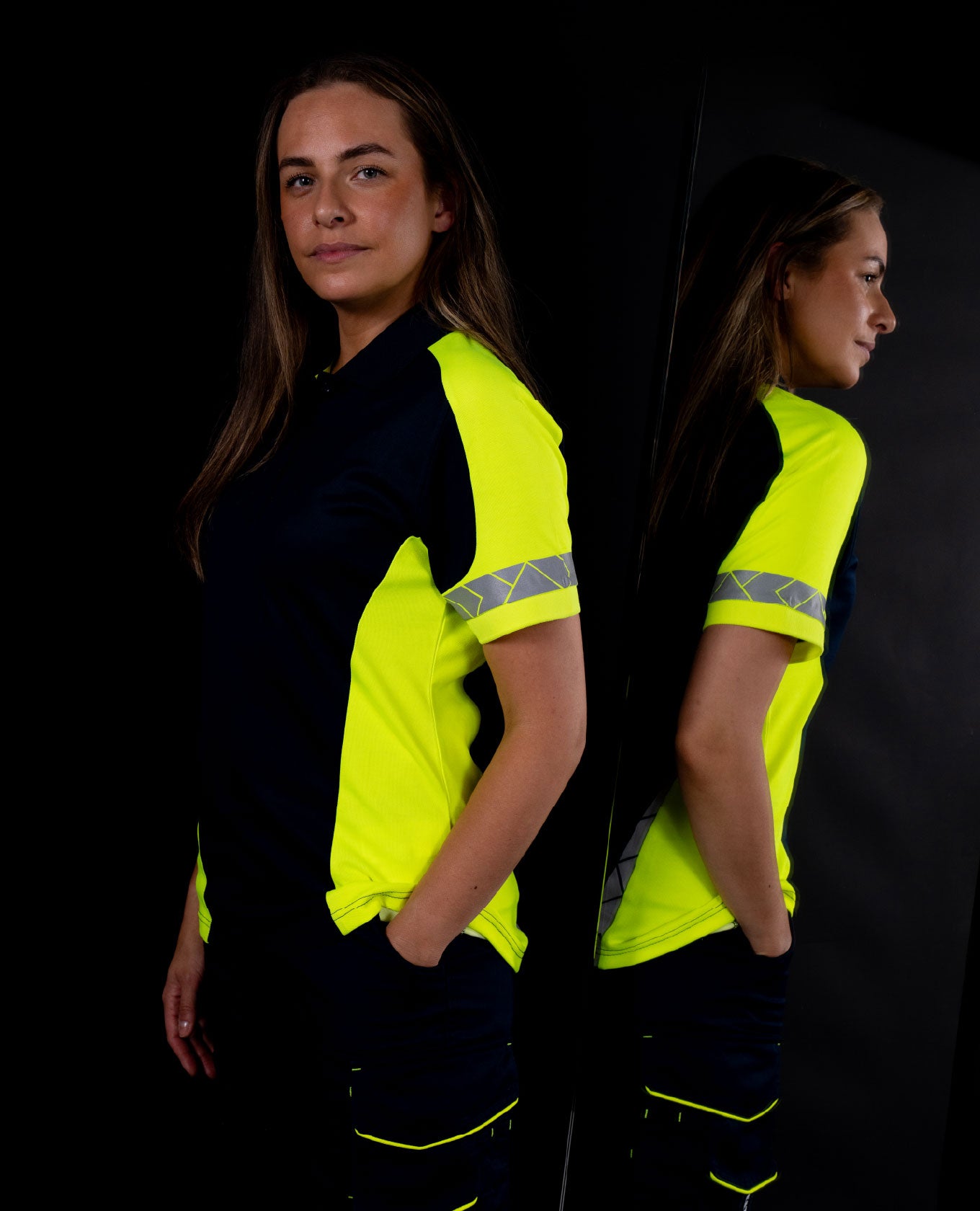
The EN 14058 standard ensures that professionals are protected against cool conditions, down to approximately -5°C and above. This standard not only looks at heat protection, but also at comfort, freedom of movement and breathability. Work clothing for outdoor use is also tested for air permeability, and waterproofing can be optionally included.
Work clothing that complies with EN 14058 is ideal for professionals who work outside a lot in the winter, but also for work in cold areas, such as warehouses. In addition, all garments under this standard also meet the basic safety standards EN 340 and EN ISO 13688.
Working in cold conditions
Working in the cold for too long without proper protection can have negative effects on your health, such as hypothermia, frostbite or accidents due to reduced dexterity due to cold hands. It is therefore important that you protect yourself well against these risks by wearing suitable work clothing that keeps you warm and regulates your body temperature. This includes insulating layers of clothing, waterproof and windproof materials, well-protected hands and feet, and possibly a warm hat or hood. Read more about this in our article about the multi-layer system and thermal clothing.
Core aspects
The most important assessment criterion within EN 14058 is the RCT value (thermal resistance class). This value indicates how well a garment retains body heat: the lower the value, the less insulation it provides; the higher the value, the better the protection against cold.
The RCT value is measured over all layers of the textile and divided into three classes:
|
Resistance class: |
Rct in m² K/W |
|
Class 1 |
0.06 ≤ Rct < 0.12 |
|
Class 2 |
0.12 ≤ Rct < 0.18 |
|
Class 3 |
0.18 ≤ Rct < 0.25 |
RCT values above 0.25 m²·K/W fall outside this standard and are assessed according to EN 343, aimed at protection against long-term exposure to extreme cold.
In addition, work clothing for outdoor use is also tested for air permeability. Air permeability can be divided into three classes and indicates how airtight a garment is; a higher class means better airtightness and therefore better insulation.
|
Air permeability class |
AP in mm/s |
|
Class 1 |
>100 |
|
Class 2 |
5 AP ≤ 100 |
|
Class 3 |
≤ 5 |
Optional aspects
In addition to the mandatory RCT test, there are two optional tests:
1) Water resistance: Is divided into two classes and indicates the extent to which the fabric retains water. A higher class means better protection against water.
|
Waterproofing |
WP in Pa |
|
Class 1 |
8000 ≤ WP ≤ 13000 |
|
Class 2 |
WP > 13000 |
When the waterproofness of the clothing is tested, the water vapor permeability in Ret is also indicated.
2) Mannequin test: It is possible to do this test both statically and in motion, to determine the thermal insulation of the garment. This insulation is indicated by Icl(r).
Collections
With the launch of our new redefined collection, we are also introducing workwear with the EN 14058 standard.
Discover here the complete certified collection.